


18 January 2025
The Road Home
Mano Whenua. Heartland.
writer: AS TOLD TO ARPÉGE TARATOA (NGĀI TE RANGI, NGĀTI RUAKAWA, NGĀPUHI, NGĀTI RĀRUA)
photographer: NANCY ZHOU
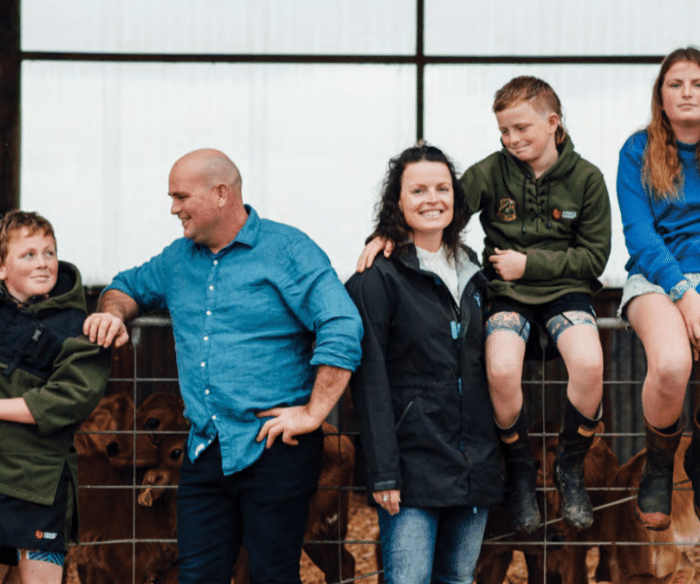
For Tracey Perkins (Ngāpuhi, Raukawa), cultural identity has been a lifelong journey. There is so much loss behind stories of reconnection, but for Tracey, 37, and her family, getting through the tough years has landed them in the best days of their lives so far. Now, she and her fiancé, Jonny, 38, are focused on raising their children to know who they are and where they come from.
I’m not from a farming background. We’re based in Darfield with our three children, Jack, 5, Emily, 11, and Manny, 13, but both my fiancé and I were raised in the North Island. Jonny and I met in Darfield when I was visiting someone and he happened to be there. I remember when our eyes locked – it felt like my soul shifted, like the earth moved on its axis a little bit. I remember looking at him and thinking, “that was a really weird feeling!” We got to know each other and we found that we both came from messy but quite different backgrounds, which is potentially why we work! Jonny is Pākehā and comes from a dairy farming family. I remember sharing a quote with him when we’d first met about raising families that said, “there are two lasting things we give our children – one is roots and one is wings.” I remember saying that I have the wings, but I don’t have the roots… and, because he’s a dairy farmer, he said, “Oh, that’s all good because I’m not going anywhere – I don’t have any wings!”

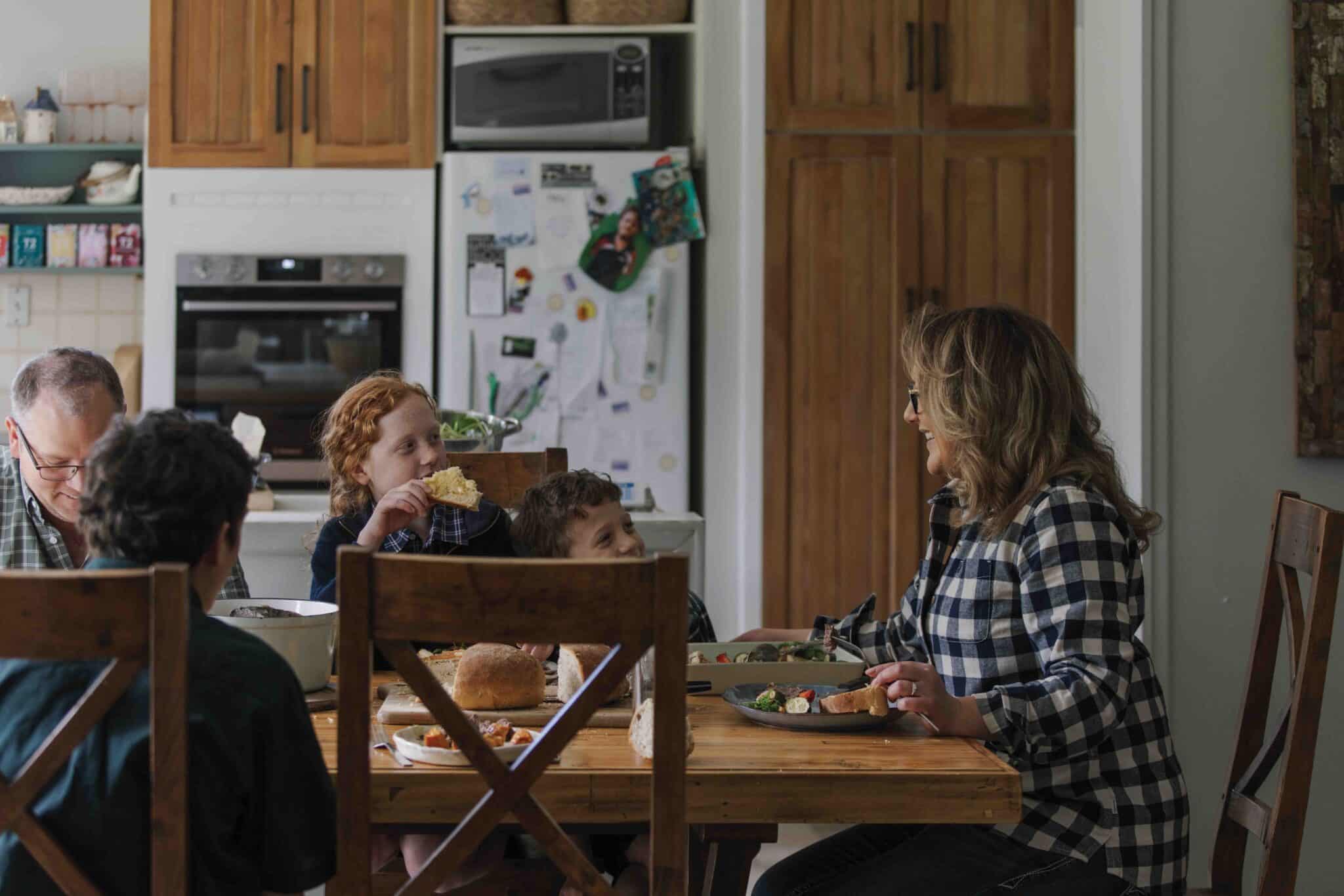
When I was in my teenage years, I really struggled because I knew there was something missing. My mum had left when I was four. I didn’t really feel the impacts of that so much as a child – it was more when I got older. The disruption was, in large part, to do with the separation from my culture. I went looking to try and figure out what was going to fill it, so I tried travel, I tried religion, I tried unhealthy relationships, I tried different jobs.
Later in life, after I’d reconnected with my mother, there was a really impactful event that happened when I was doing the Kellogg Rural Leadership Programme. One of the cohort knew someone working at Te Papa with Māori taonga, so we were lucky enough to be taken on a tour. I remember walking up this aisle, and there was this painted piece of wood, and while everyone was walking around without me, I had this feeling of, “I know this pattern, this is something to do with me.” I had a flashback of being much shorter, looking up at something with these markings. So, I called my mother and she said I must’ve been remembering our marae. And then she asked me, “Are you ready to go home?” That was the beginning of my physical journey back to my roots.
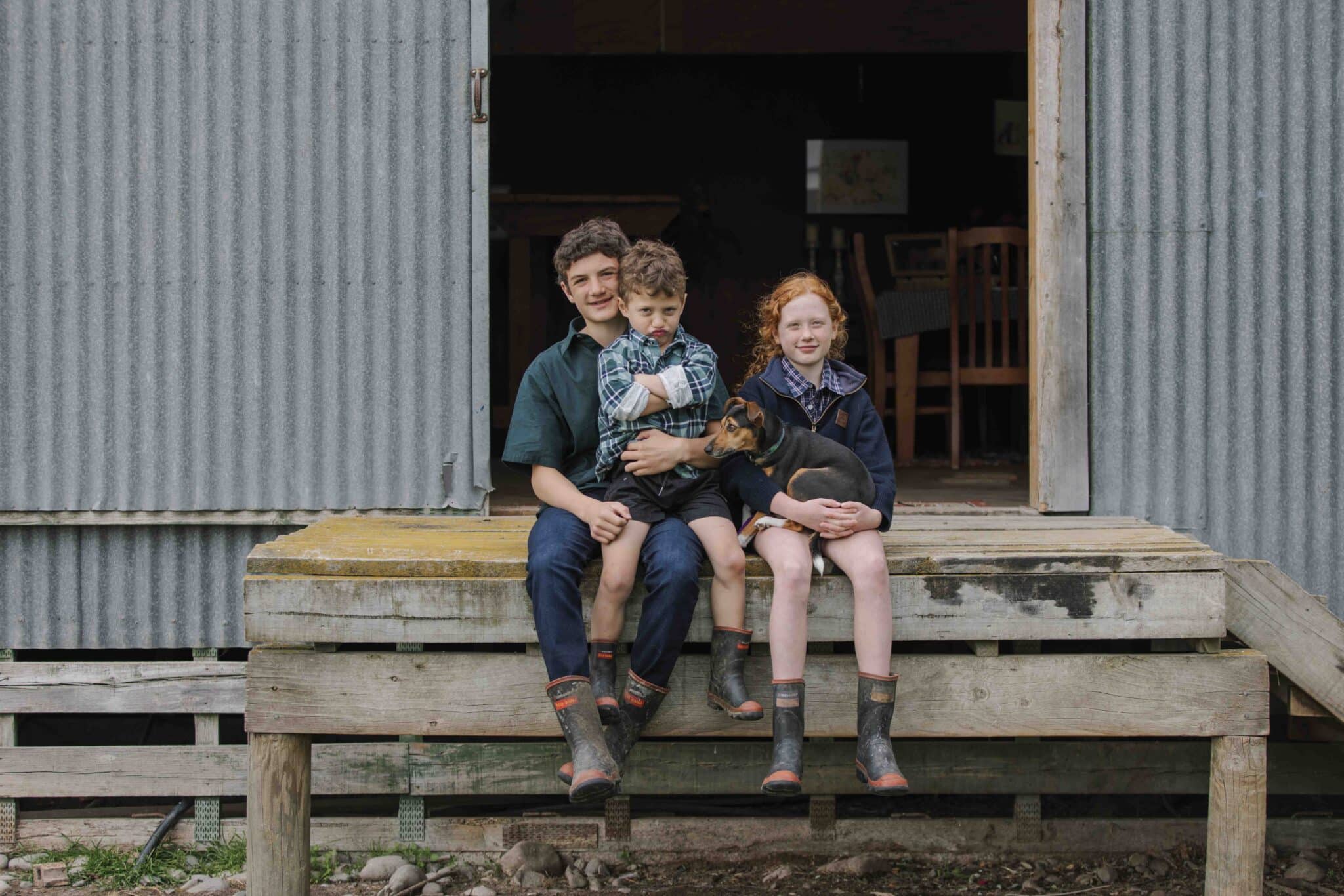
My grandparents on my mother’s side were very special to me, but my grandfather had passed when I was ten, and my grandmother left town soon after. Though she tried to reach out, she was stopped, and became estranged from me. Following that experience at Te Papa, we organised for me to go and visit her – though Mum didn’t mention that I was coming! It wasn’t until we were on the doorstep of her cottage that Mum said, “Oh, I hope her heart’s alright!” I had been concerned that she wouldn’t recognise me – it had been decades since we’d seen each other. My earliest memory is of being blessed by my great-grandmother, with my mother and grandmother there. We were in Northland, so we were home, and the feeling I get from this memory is just really being loved and surrounded by the love and strength of these women. There have been many times in my life where things have happened, and I’ve cast my mind back to that and thought, “Thank goodness I was blessed.”
Continue reading the full story in our Raumati Summer 2024/25 Edition.
If you enjoyed this story, please share with someone else.
This story appeared in the Raumati Summer Edition 2024/25 of Shepherdess.
Get your hands on a copy.
Related Stories
The Gallery, Takurua Winter 2023
“These photographs traverse stages of change that depict my creative mauri as an entity, and how my mauri was affected in environments that held trauma and potential."
Towai
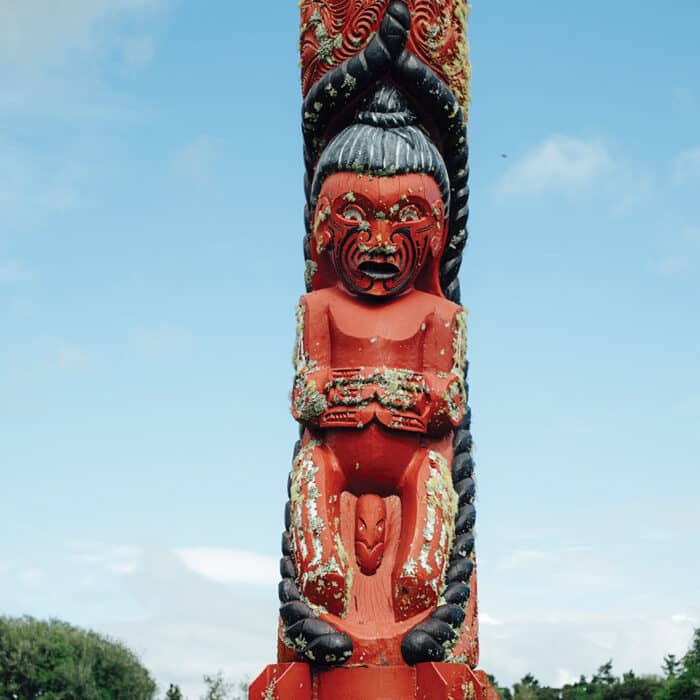
Jaycee Tipene-Thomas (Ngāti Hine, Ngāti Kahungunu) has family roots spanning generations in Towai, traditionally known as Touwai, in Te Tai Tokerau Northland.
Going All In
Dairy farmer Marianne Tye, 39, knows the importance of setting goals and planning. She and her husband, Will, had a long road to farm ownership – a journey that led
The Best-Laid Plaids
Lizzy and Hamish Salvesen’s romance stretches from Aotearoa to Scotland and back again.