


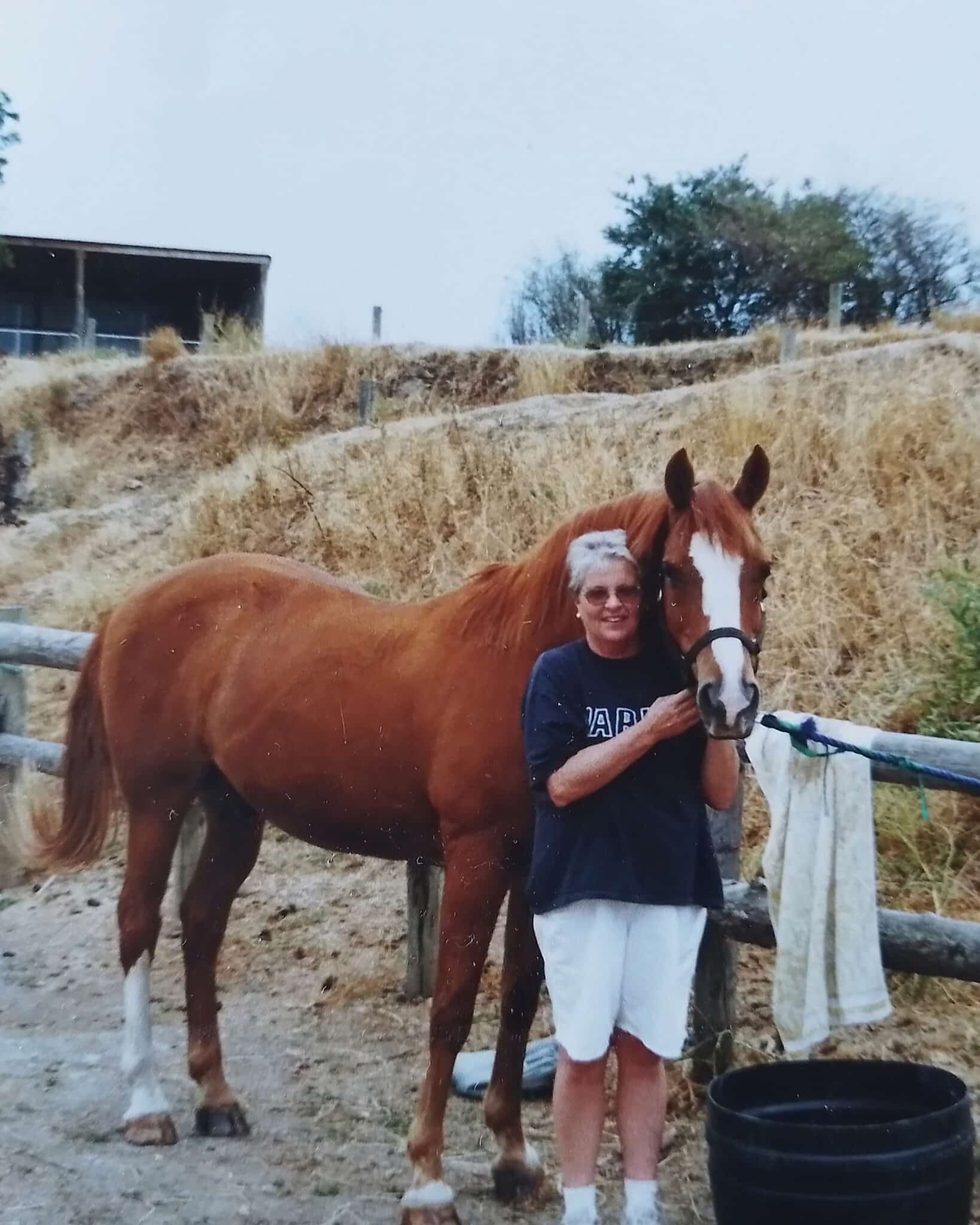
I was completely lost when my husband Rod died thirty-one years ago. It was my eldest daughter who suggested I look into Riding for the Disabled (RDA) after hearing them advertising for volunteers on the radio. There are two things I’ve always loved most: working with horses and working with people. And here was a place where I could do both.
I was the oldest of six children, growing up on a farm in the Awatere. We rode virtually every day, little wee things on our ponies. We thought we were circus riders half the time. My father was very good about teaching us how to handle horses – where to stand, how to keep safe.
When my mother died in her early thirties, I took on a lot of responsibility for my younger siblings. I went on to have six children of my own, and, by the time I joined RDA, several grandchildren as well. Although I’d never worked with anyone with special needs, I realised quickly it was the same as introducing any child to a horse – looking at the person in front of you, and seeing what you can do for them.
I started volunteering at RDA twice a week, but within three or four weeks I was there all day, every day. I was still grieving for my husband, but I was in the right place to do it – I had always found horses incredibly empathetic, to say nothing of the amazing people. I qualified as a coach within eighteen months and eventually became the manager and head coach, wearing every hat imaginable. I managed the land, cared for the horses, coached about ninety riders a week, and trained other coaches. I’ve seen RDA Marlborough grow from a small operation with just a few horses into a recognised centre with indoor and outdoor arenas, proper facilities, and horses that work with dozens of riders.
It still amazes me to see the difference horses can make to our riders. When I run into former riders, they always remember the name of their horse. I worked with one woman with tetraplegia who had never ridden before but we ended up travelling to Australia so she could compete internationally. Another man with tetraplegia was convinced he wouldn’t be able to ride because he couldn’t sit upright independently. Yet somehow he stayed on a moving horse, because the horse’s motion gave him something he couldn’t get anywhere else.
I’m really proud of the early intervention group I started for children under five. I still go down to help out every week, even though I retired five years ago. Horses produce the same walking motion as humans, so when you place a young child on a horse, the movement transfers to them. We start off with the child lying down on the horse’s back, to pushing up with their hands into the crawling position, to standing upright – with support from our coaches. It builds muscle memory that helps them learn to walk themselves.
These days, we get a lot more riders with mental health challenges, and the horses are just as equipped to deal with those. I remember one fifteen-year-old girl who was really struggling with anxiety. From the very first time she got on a horse, her confidence improved. We worked with a nonverbal autistic child whose teachers were finding his behaviour hard to manage at school – until he started visiting us two mornings a week and went back to class much calmer and able to learn.
I often think about what Rod would say about everything I’ve achieved in the past thirty years. I think he’d be amazed, but not surprised. And I know he’d be happy that I found my way forward, doing something that I love.
Do you have a memory you’d like to share with us? We love to hear your stories. Drop us a note at [email protected].
This story featured in our Ngahuru Autumn 2026 Edition.
Related Stories
Rose Shuttleworth
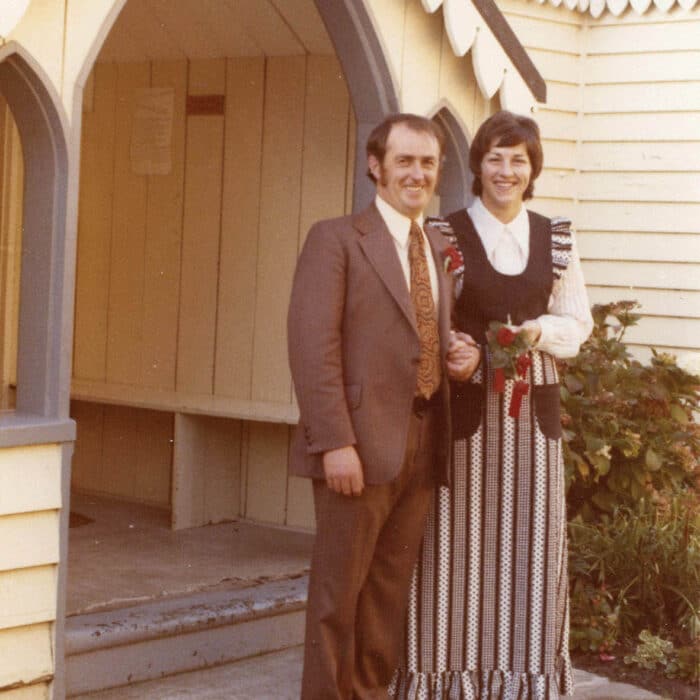
On the last page of Shepherdess, we celebrate memories and reminiscences. Here, from their home in Akaroa, Rose Shuttleworth, 78, reflects on over fifty years of marriage to her husband,
Kirsten Roy
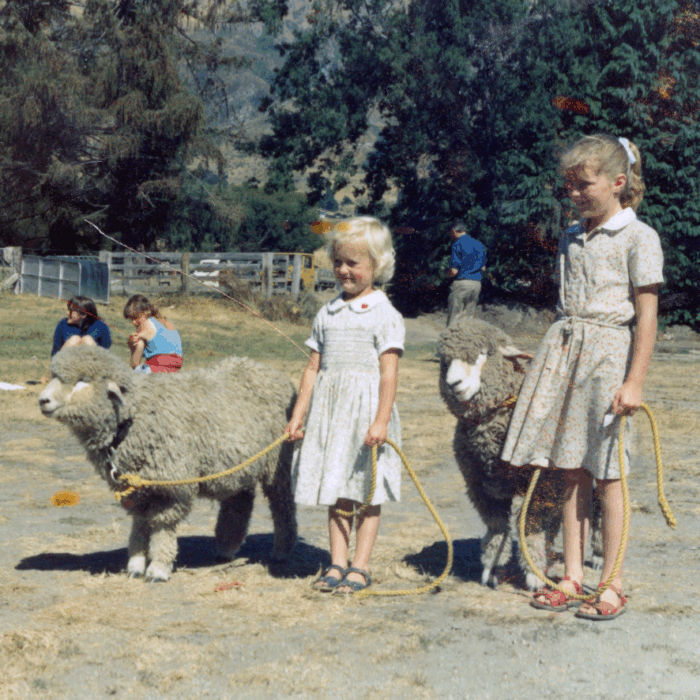
Kirsten Roy, 45, shares childhood memories of going to the Wānaka A&P Show – which was always a highly anticipated event for the whole family.
Out Now
Twenty-Sixth Edition
Our beautiful Takurua Winter 2026 Edition is out now.