


I grew up in the Cambridge area, under the shadow of Maungatautari, where my mum still lives. I moved to the Bay of Plenty thirty-five years ago. I’ve been here at the Western Bay Museum for thirteen years and completed my museum best practice papers when I was fifty. That gave me a foundation, but I’ve been extremely lucky to receive ongoing support from Te Papa National Services Te Paerangi, which has provided professional development, training and guidance. I recently spent time with their education team in Wellington, along with Puawai Cairns, who helped us explore the distinctions between Te Tiriti o Waitangi and the Treaty of Waitangi, and how we can weave that understanding into museum practices. After that, I reworked our 1900s school programme – which previously had a colonial focus – into a more balanced education programme that begins with taonga Māori.
Before working in museums, I wasn’t aware of a lot of this history. As a Pākehā woman who attended a rural school and then boarding school, I wasn’t taught much about New Zealand’s shared past. But I think it’s important to stay open-minded – to acknowledge that just because you were taught something one way doesn’t mean it’s the full picture. I still have a lot to learn, but I’m really proud of the progress I’ve made. It’s also encouraging to see many other non-Māori on this journey too, wanting to understand our history. I remember after one of our first Waitangi Day events here, I had Pākehā women in their sixties and seventies calling me up to ask where they could take te reo Māori lessons.
From the Kaimai Range to Tūhua and along the coastline, Tauranga Moana was once home to thriving Māori communities. You only need to drive along the road towards Te Puke to see the remains of pā sites scattered across the hills. I’ve been fortunate to learn from hapū in the northern Bay of Plenty, who hold deep knowledge of this area. Their histories have been passed down through generations, with wharenui continuing to tell those stories today.
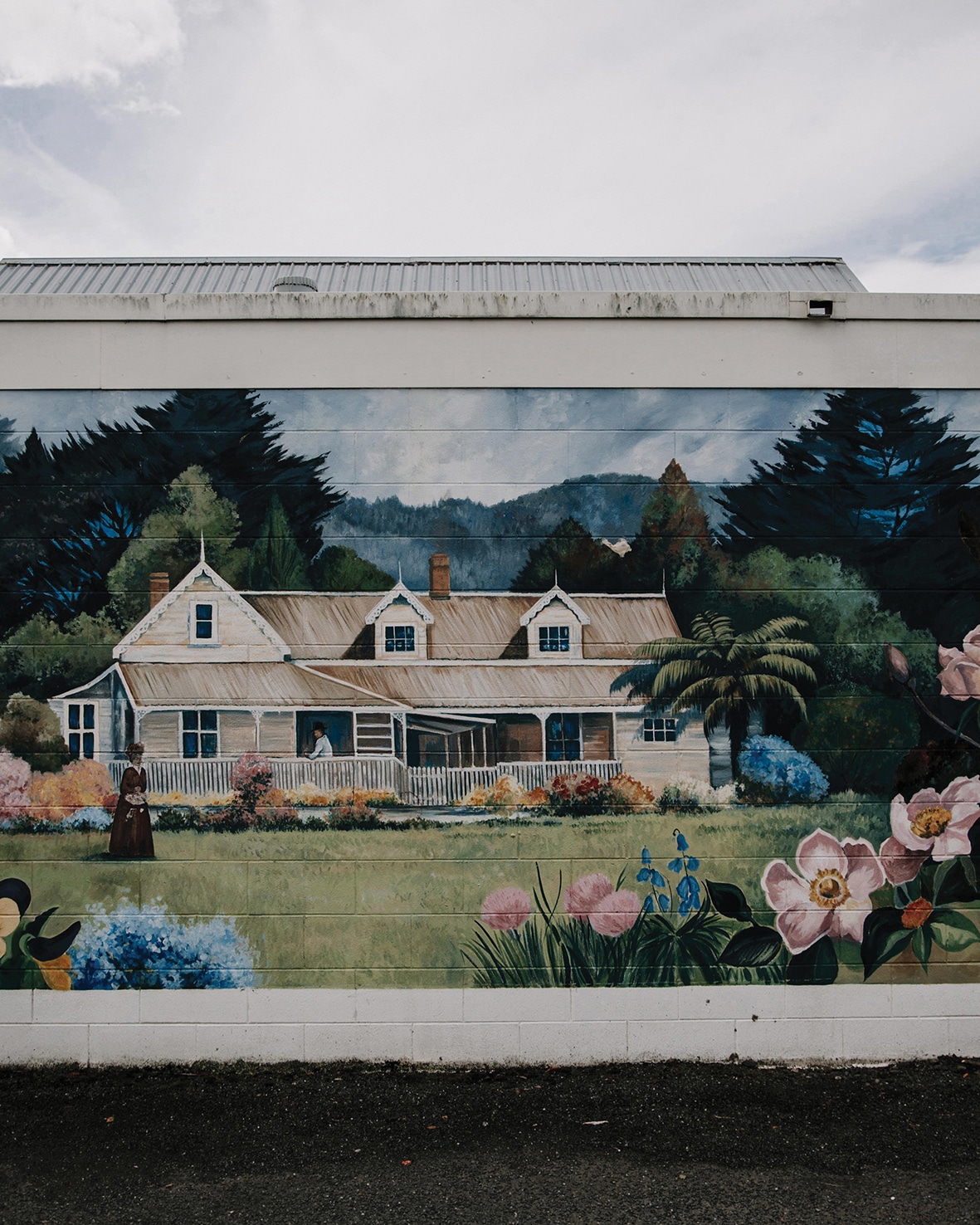
Katikati itself has strong colonial ties. George Vesey Stewart was responsible for bringing Ulster Irish settlers to the area, which he initially called Waterford. One of the prominent historical sites is Athenree Homestead, built by his brother Captain Hugh Stewart and Hugh’s wife, Adela. It was a working farm where cadets were trained in agriculture, and Adela also taught young Irish girls domestic skills to prepare them for employment in settler households. Hugh and Adela were known for their social gatherings – by all accounts, they were central figures in the early community. Though they later returned to Ireland, Adela eventually came back to New Zealand, where she passed away. The homestead changed hands over the years and fell into disrepair but, thanks to dedicated volunteers, it was restored as closely as possible to its original state. Though not officially classified as a New Zealand heritage building, it remains one of the few standing structures from the early colonial history of Katikati.
A museum would be incomplete if it only focused on one part of history. For a long time, there was an emphasis on colonial narratives, but that shifted in the museum sector in the 1980s with the exhibition Te Māori. That exhibition was a turning point –
Māori were actively consulted and travelled with the taonga as they were displayed internationally. When the exhibition returned to Aotearoa, it set a new precedent: from that point on, Māori would tell their own stories in museums.
For me, the role of the museum is clear. No matter what happens politically, we are guided by our professional code of ethics. Once you start truly engaging with history, you understand why taonga belong back with their people – it’s part of correcting the gaps and misrepresentations of the past. Museums should be places where we learn, share and bring communities together. That’s what makes this work so meaningful.
Glossary. Hapū, sub-tribe, extended family group. Pā, fortified village. Pākehā, New Zealander of European descent. Te reo Māori, the Māori language. Taonga Māori, Māori treasures, including objects, traditions and knowledge. Te Tiriti o Waitangi, the Māori interpretation of the Treaty of Waitangi. Tohunga Suppression Act 1907, legislation prohibiting Māori healing practices. Wharenui, large meeting house.
This story appeared in our Kōanga Spring 2025 Edition.
Related Stories

Annie Chambers
Tuki Equine is Annie's universe, one hundred acres of Hawke's Bay flat, rolling and hill country that sits above the Tukituki River.
Fully Woolly
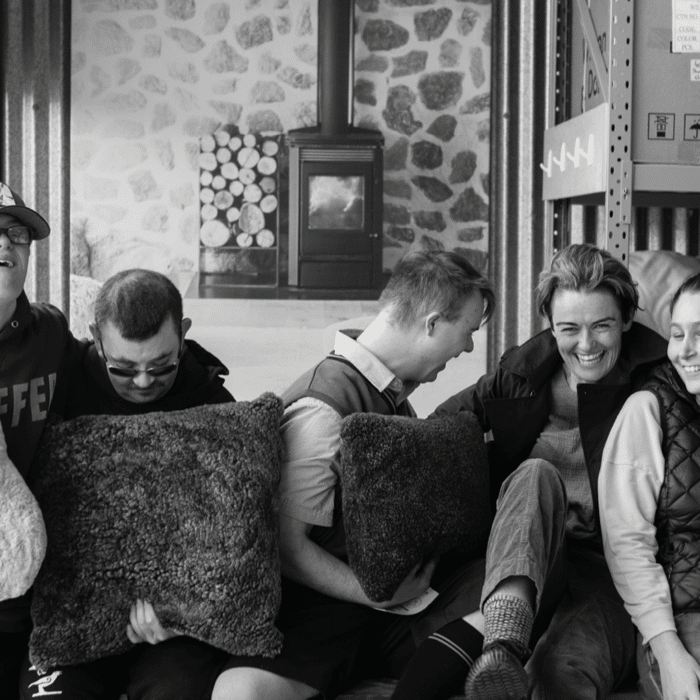
Through their business, Wilson & Dorset, Amanda Dorset and Ben Wilson are starting a quiet revolution to bring wool back into our homes, one sheepskin at a time. With a
Stratford
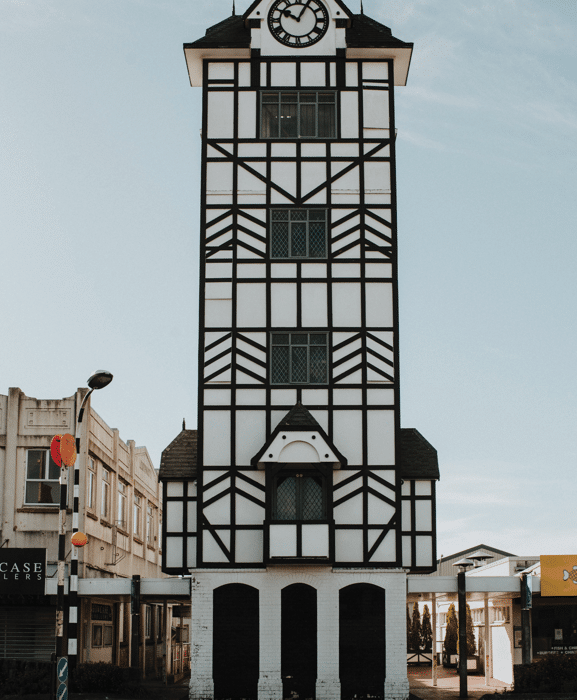
Megan Denz lives on a seven acre farm with her partner and six cows, a cat and Louis the rescue dog, where she balances a creative life as a curator
Knitting Yourself Together
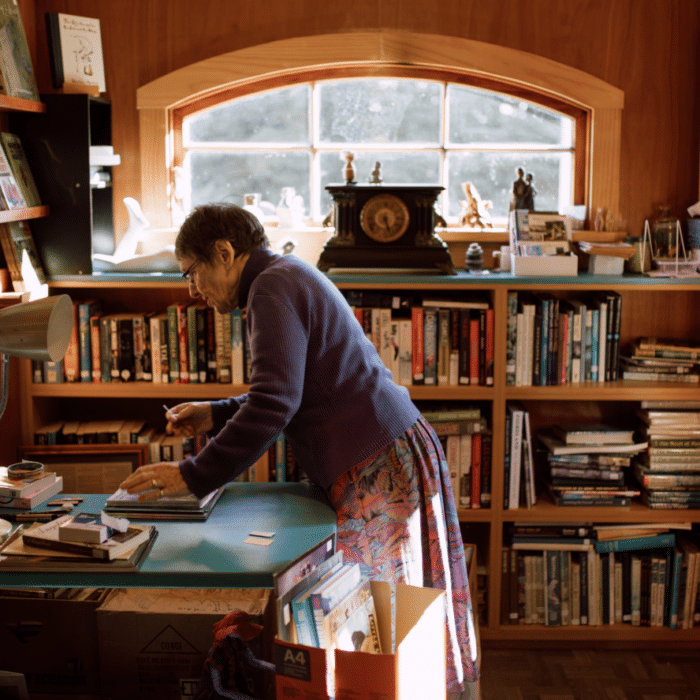
The small Southland township of Manapōuri – population around 200 – has an unusual claim to fame: it has possibly the most bookshops per capita in Aotearoa, thanks to Ruth
Out Now
Twenty-Sixth Edition
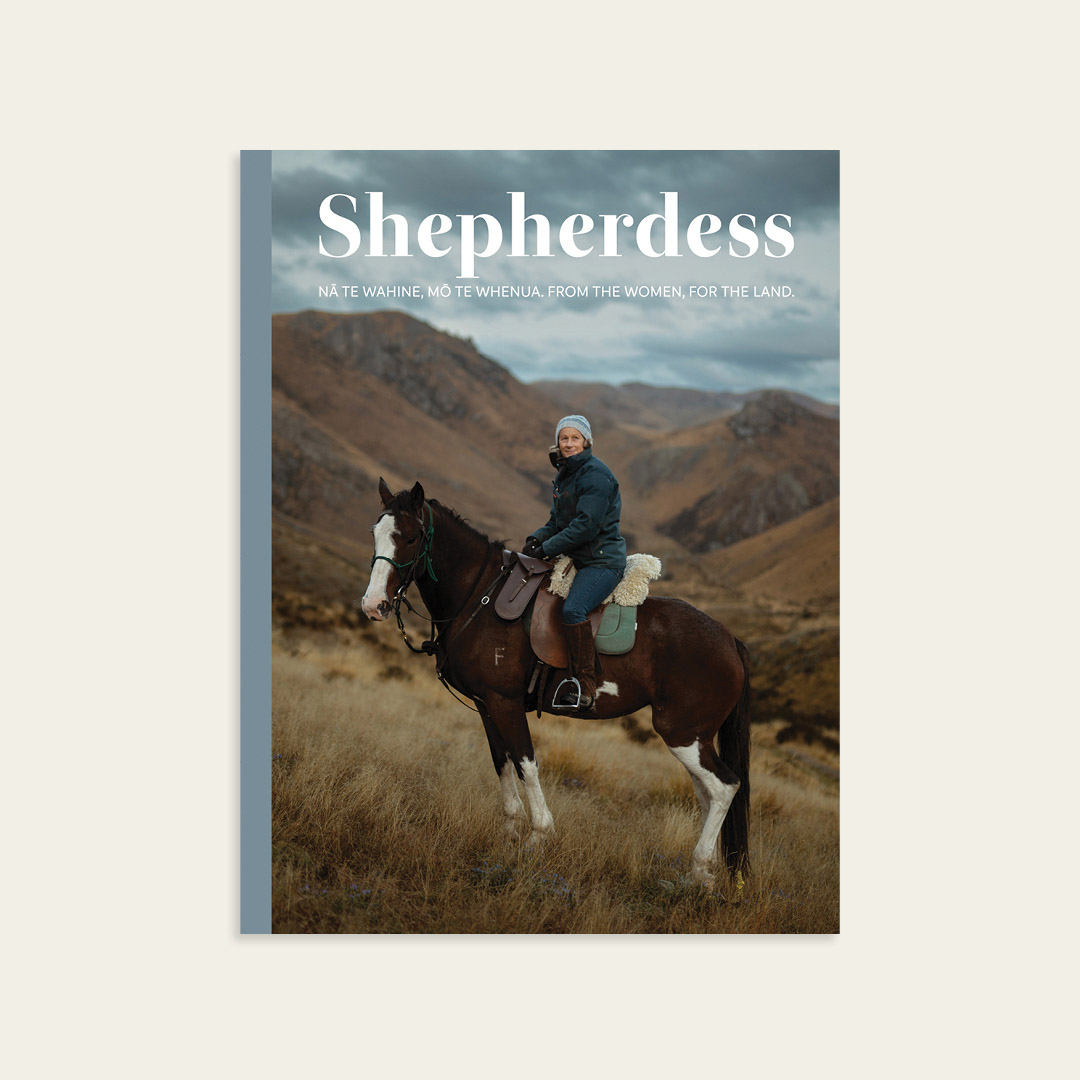
Our beautiful Takurua Winter 2026 Edition is out now.