


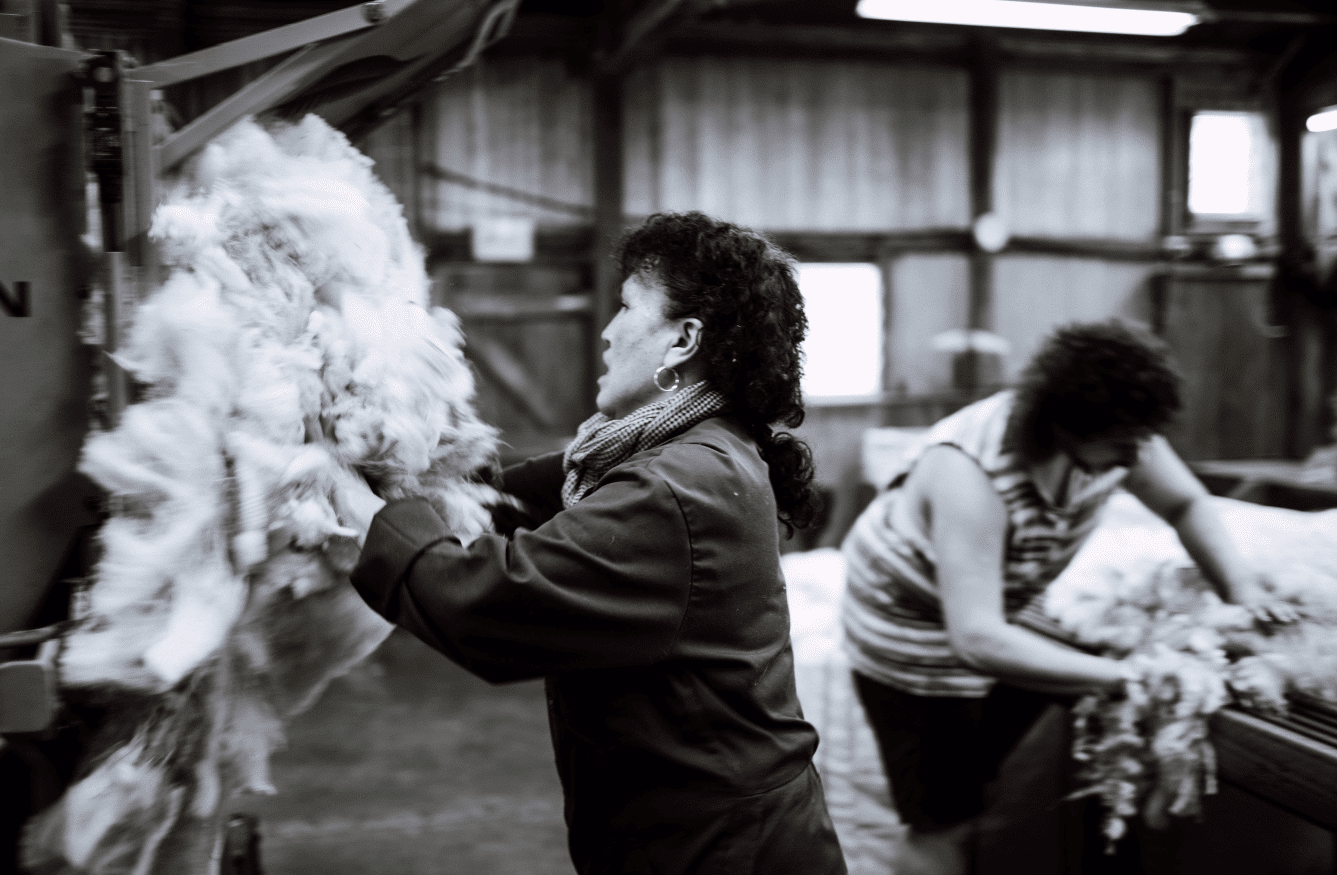
4:30am. I get up early every morning so I can take my time to get ready and not forget anything at home. I get picked up by my bosses around 5am, we get to the yard around 5:15am and wait till everyone gets there and then we are all deployed across Southland. Sometimes people have a bloody good sleep in! Everyone has to be there at half-past-five because of the distance we have to travel. If they’re late, they’ve gotta buy a box of alcohol for the team after work.
7am. We try to get to the shed by at least 6:45am. I have to set up the shed for the rousies and other people check the gear so we can all start at the same time. They’re called wool technicians now. We work for two hours and then have a break. So nine o’clock smoko. There’s four runs. Half hour breaks for smoko; an hour for lunchtime. Three meals are supplied. Morning smoko could be something hot, like sausage rolls. Then lunch could be a roast. Afternoon could be something hot, or cakes or biscuits.

During main shear you’re hardcore – you’ve got thousands of sheep. In winter it’s cold; you’ve got to work hard. Pre-lamb is by the weather. If you’ve got two good sunny days you might do 1,000, maybe 1,400–1,500 in a day. In summer you’re sweating profusely. If it’s twenty-five degrees outside, you can guarantee it’ll be thirty-five inside.
You get an adrenaline rush when it’s a hardcore day. I’ve got a big job – I cover the whole shed. Training people up on the job. My job is to prepare the clip for the farmer, to make sure people are doing what’s required of them. To keep the peace if there’s an outburst of anger or whatever. The most important thing people should learn is listening. When I’m training people on the job, I’m training over machine noise as well as the stereo. I practically have to yell. Learners – I put them right beside me. I’ve got to work too. I’m not walking around, I’m working at the same time. And I’ve got to keep an eye on the bales, on the presser, on the number of sheep. It’s very exhausting, mentally as well as physically.
6:30pm. I get home and then I’ve gotta cook tea and do my washing and do the dishes. I’m the only one who works in overalls. Simplistic; doesn’t take long to throw in the dryer. I sit down and then I fall asleep. I should go straight to bed, but I sit down on the couch and try to unwind. And then my husband leaves me there! During main shear I’m probably in bed by 8pm.
1am. I wake up and go to bed. Then I do it all again the next day – every day, every day, every day. What keeps me going in this industry is that I’m a Christian. God has kept me in the industry. Spain and Smith are such good people to work for. Very kind, compassionate and understanding of different peoples.
This story appeared in our Raumati Summer 2023/24 Edition.
Related Stories
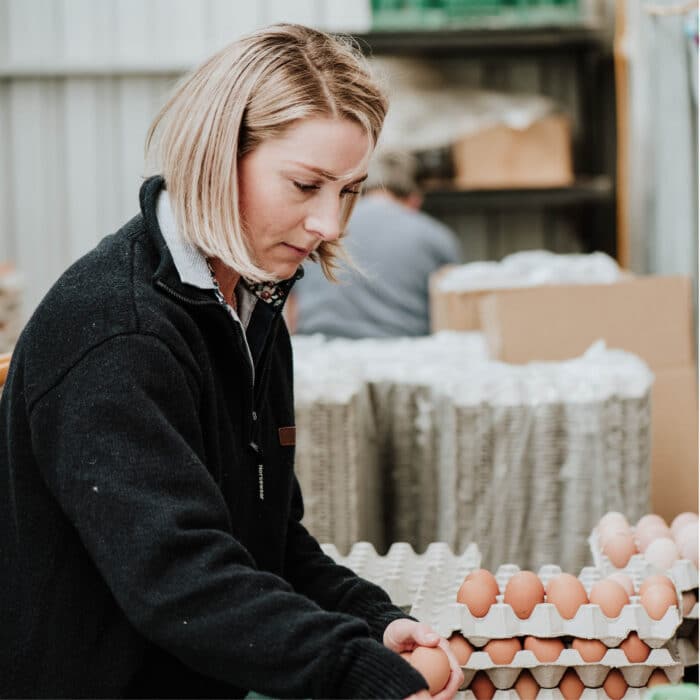
Best Laid Plans
Emma might be slightly afraid of chickens, but that hasn’t stopped her from helping to build a paddock-to-plate delivery service, Local Food NZ, with the fresh eggs laid by their
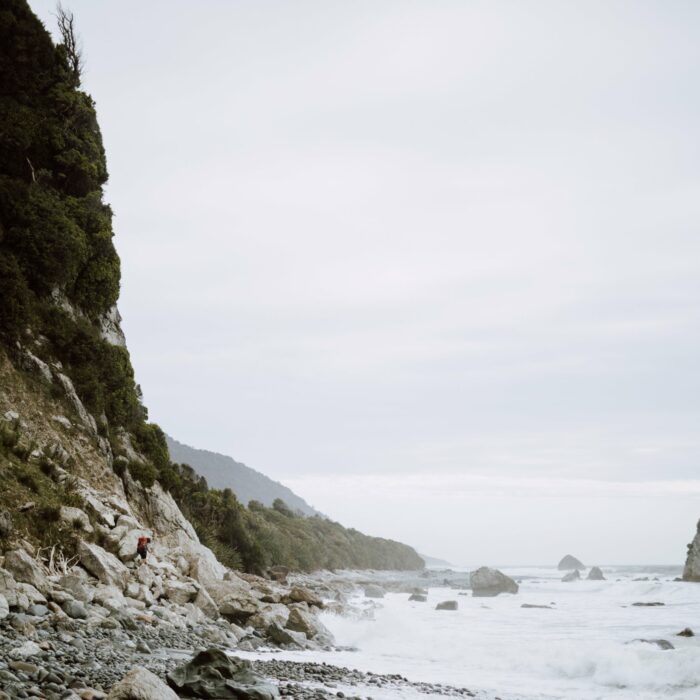
At Home on Gorge River
A bright orange windsock pops out of the bush. It marks the location of Catherine Stewart’s home and New Zealand’s most remote family.
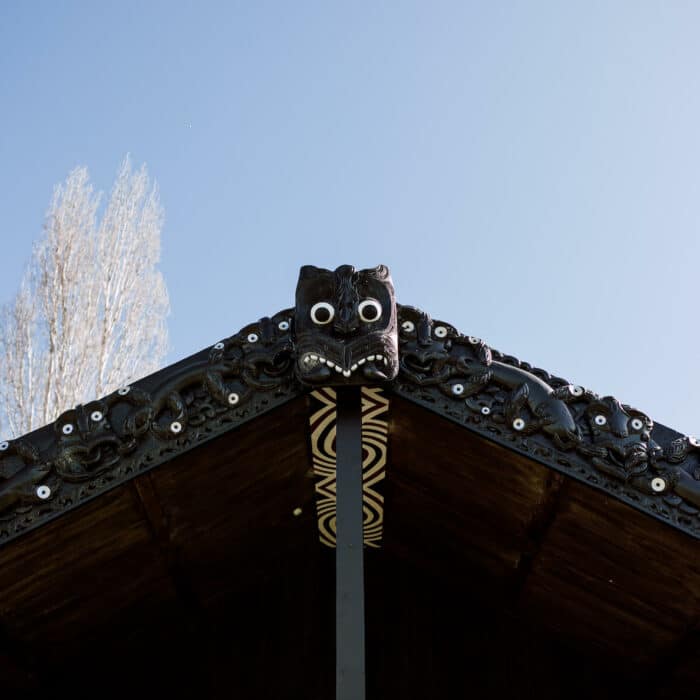
Education as ‘succession planning’: shaping future generations with manaaki and aroha
Maikara Ropata, on how she uses waiata, kapa haka and education in te ao Māori to help shape future generations of decision makers.
The Edge of The World
There is drama and severity to Rēkohu, an archipelago 800 kilometres east of the South Island, and living here takes fortitude.

Out Now
Twenty-Sixth Edition
Our beautiful Takurua Winter 2026 Edition is out now.