I’ve got two older brothers who both played hockey growing up. I remember watching their games from the sideline of a grass field on cold Saturday mornings and deciding that I wanted to have a go. So, in my second year of primary school, I joined a mixed hockey team – and I loved it. At home, my sister would be cuddling the dog and cat, and I’d be nagging, “Come on, let’s go play hockey!” I remember watching the 2000 Sydney Olympics when I was fourteen. The Black Sticks came sixth, one of their best results in years. From that point on, the seed of going to the Olympics was planted. I’d started trialling and getting selected for regional representative teams in primary school, my first being the Manawatū Under-11, and in my last year of high school I made it onto the national Under-18 squad. It was still a “one day” kind of dream to play for New Zealand at that point – I didn’t think it would happen as soon as it did.
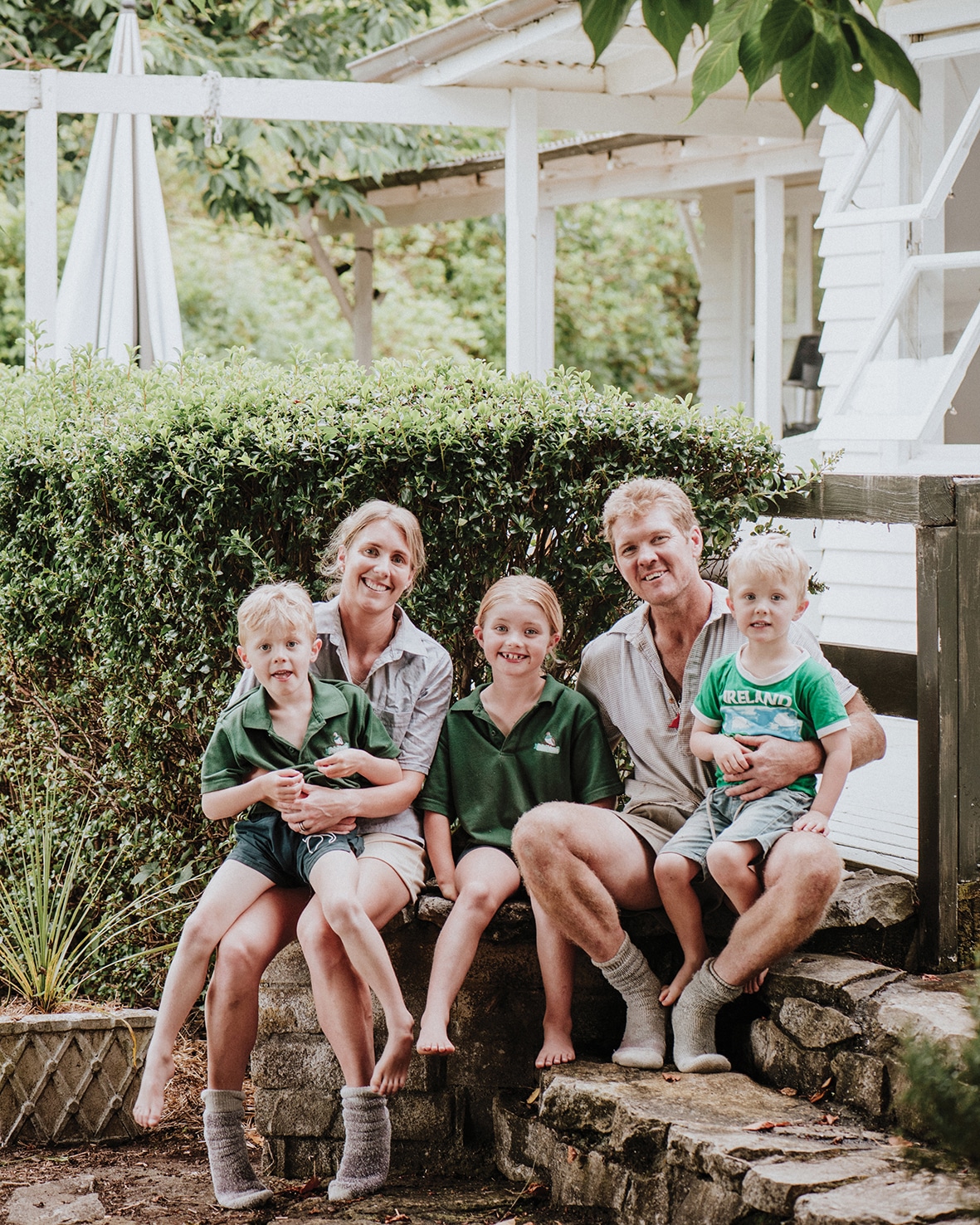
My mum grew up on a farm but I grew up in Palmerston North, so we were very much town people. I didn’t think I’d marry a farmer – I just wanted to play sports. Harry and I had been family friends forever – my mum and his mum were childhood friends and went nursing together, and we even used to go over to their farm in Hawke’s Bay for duck-shooting weekends. Just before the 2012 London Olympics, Harry sent me a few good luck messages. When I got back to New Zealand, we caught up, and the rest is history. We got married at the start of 2016, the year I was training for my fourth Olympics.
Three or four months out from the Olympics, hockey essentially became a full-time job, training six days a week, three to six hours a day. I think a lot of the mental toughness and hard work has helped me in everyday life – knowing that the pain is only temporary and the rewards much greater! I was also a co-captain for the London Olympic team, which taught me a lot about being a good leader and being brave enough to speak up when needed. Some years on the squad were a whole lot harder than others – we’d miss out on tournaments or a World Cup, and then there was all the dreaded fitness testing. You tend to forget those harder moments, but we went through a lot together. The squad was based in Auckland for the 2016 Olympic year. I’d had a few injuries at that point and was starting to question whether I wanted to keep playing. Newly married, I also wanted to be with my husband in Hawke’s Bay. When I found out I was pregnant, my hand was forced. I was ready, really. I’ve always loved kids, so having a family of my own was something that I hoped would happen. I retired, moved to Hawke’s Bay and fell into a busy farming and mum life. I missed the team and international travel, but I didn’t miss living away from kin.
I’m still very involved with the hockey world through work and a little bit of coaching. I work for Hawke’s Bay Hockey as the community pathways and event manager – I help organise all our age group representative teams and run all our hockey events, from kids’ festivals through to national tournaments. My little one, Arlo, goes to kindy three days a week, so those are generally my “work” days. I only go into the office once a week because we live on my husband Harry’s family farm, quite far from town. It’s a deer farm but we have a few sheep and some cattle as well. I’m not that hands-on on the farm – Harry would probably like me to help out a bit more! But if we have a big day of docking or weighing cattle, I’ll pitch in.
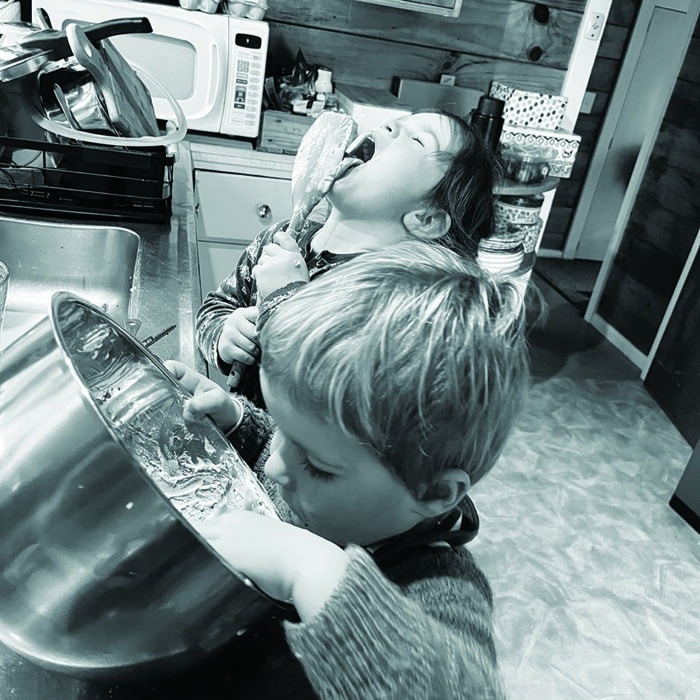
Life on a farm and in a rural community is great. There’s so much space, and I love the peacefulness of it. The kids have acres to run and bike around. Sometimes they say they miss town and that they want to go to the shops or get takeaways, but that just makes those odd family trips to McDonald’s all the more special. During winter, the whole family is busy with sports. Saturdays are spent in town as both my daughter Pippa and I play hockey, and my son Ted plays soccer. Sunday is a family day where Harry will take us all out on the Can-Am and do the odd job or check out part of the farm. We’ve just started a little Kererū tennis mixed doubles competition, and a farm that neighbours the Kererū community hall has turned one of their paddocks into a cricket pitch. It’s all pretty classic, but it works!
This story featured in our Kōanga Spring 2025 Edition.
Related Stories
Leading with Care
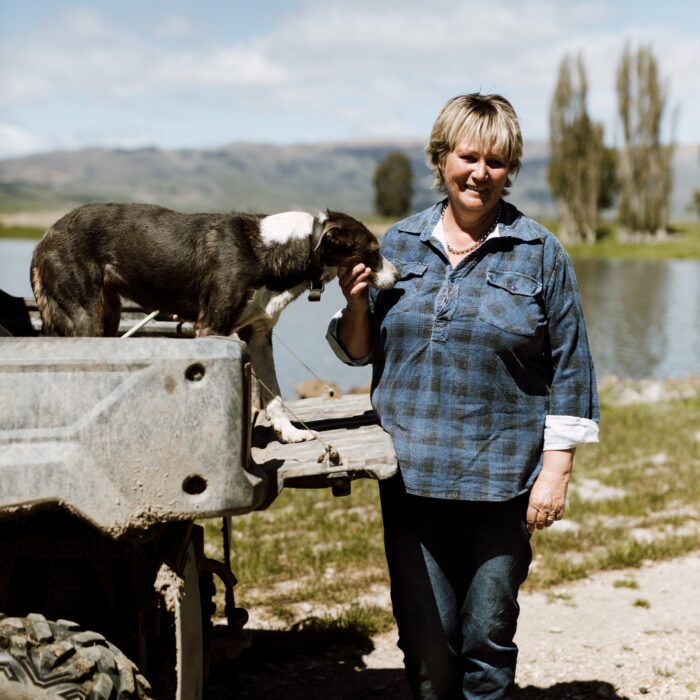
Dawn has had a long career in governance – often in male-dominated environments – from local community groups to national boards.
Courtenay Bevan
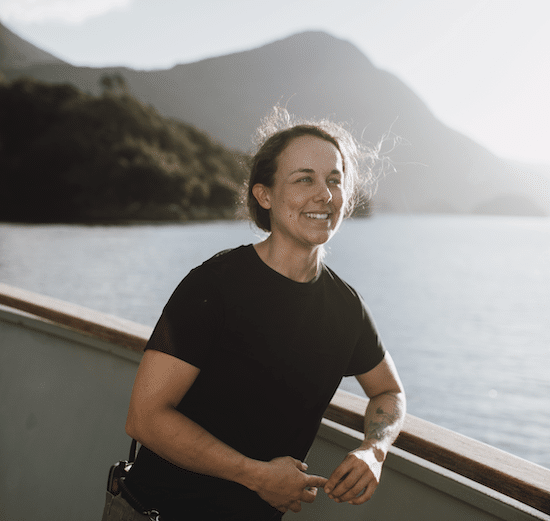
Courteney, 28, is a city chef turned charter boat chef/deckie turned Jobs for Nature scientific diver – or, as she calls herself, a “glorified underwater weeder.”
Chat on the Chathams
Rugged and remote; a far-flung outpost; a step back in time; like New Zealand, only different – Rēkohu Wharekauri Chatham Islands have been described in many different ways. Greer Paterson,
Raising Her Hand
Self-proclaimed lifelong learner Kate Menzies, 54, is passionate about supporting a new generation of farmers to make connections and grow their skills.