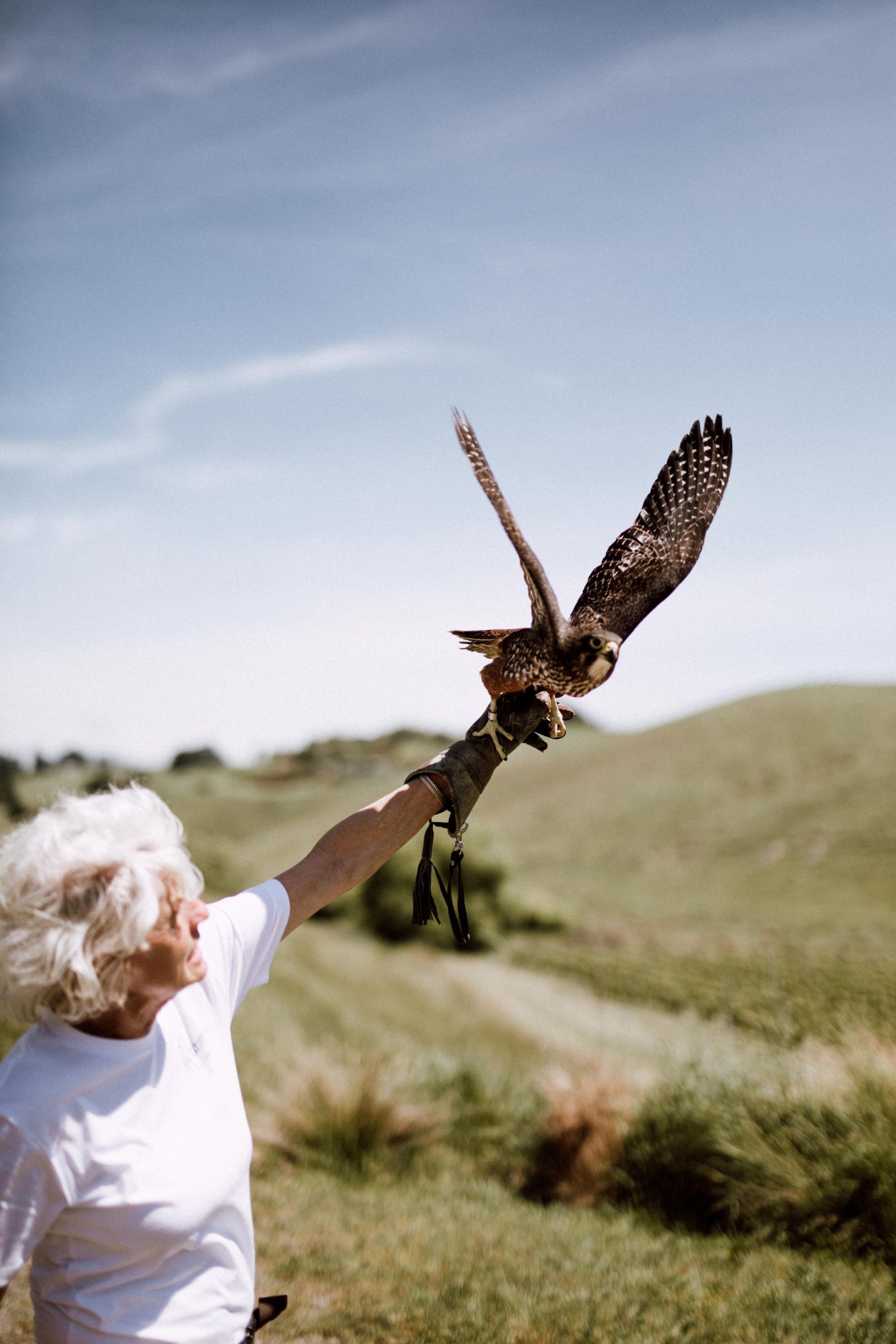
"Kārearea are fearless - they prey on things six times their size, and the females are ferociously protective of their young," Diana says.
Diana's life and work as an aviculturist, a unique skill she's honed for four decades, has been defined by close contact with birds of prey and their razor-sharp talons. Her love of birds began during her childhood in England. "It's about a deep understanding of what the birds' needs are - not just raptors, but all birds. You have to be able to read the bird. I go into the world of the birds - it's not them coming into my world," she explains.
Today, she leads the Marlborough Falcon Conservation Trust's breeding programme. Her focus for the past ten years has been Aotearoa's only endemic falcon, the kārearea. Diana, 64, wants to ensure they survive in the face of numerous threats - ranging from eggs and chicks being eaten by feral cats, rats and other introduced predators to electrocution on power lines.
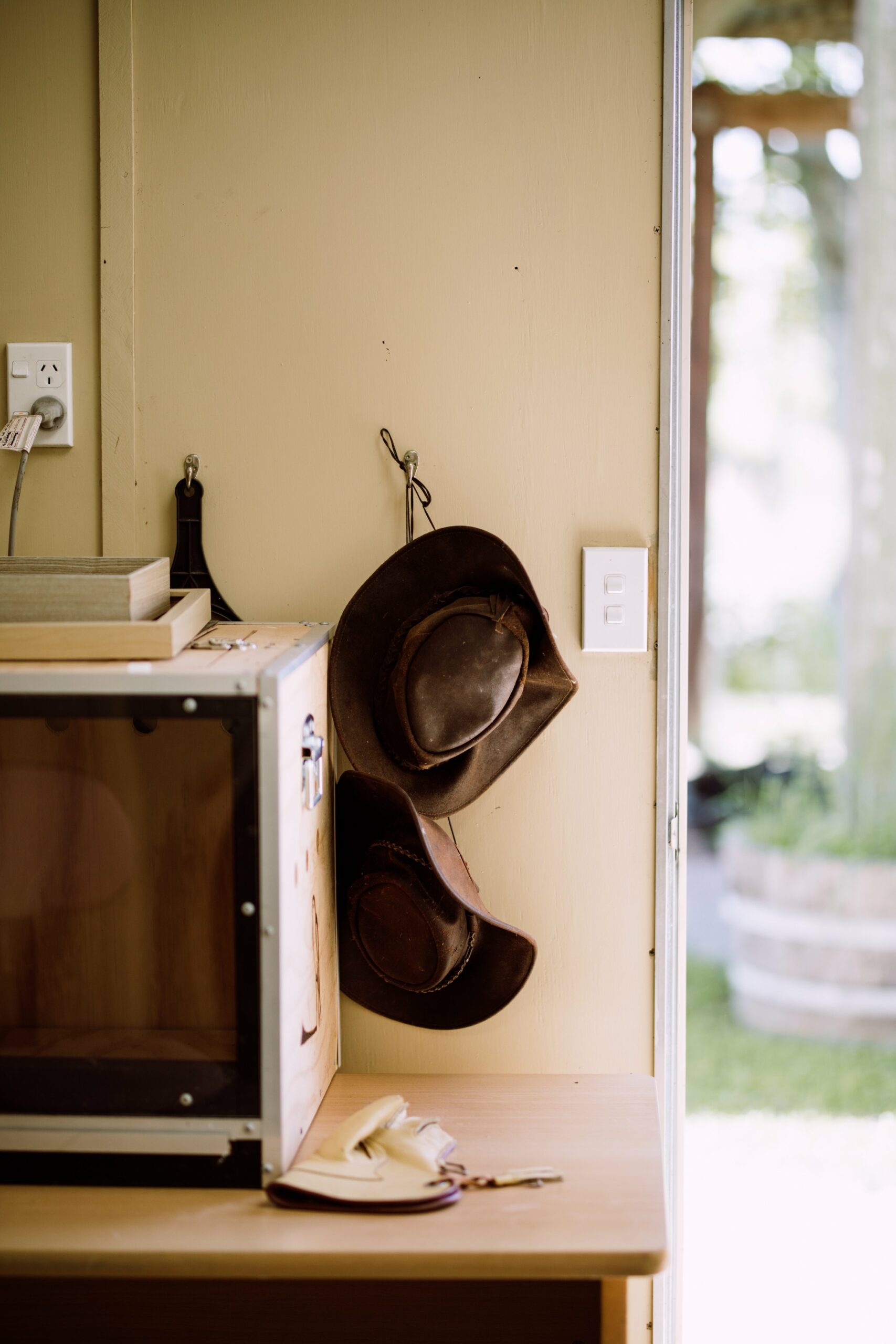
Diana has developed her own methods and approach to handling these formidable birds, which are raised in a purpose-built aviary. "With falcons, it means no eye contact, they hate that. So I have to go in disguise - I'm two people." This technique means the falcons don't associate the person who jabs them with a needle with their longer-term carer. Her trick is to don a wig, sunglasses and overalls when administering medical treatments. "Then I'm back to myself when I'm feeding, speaking to them quietly, befriending them. But still with strictly no eye contact."
She uses time, patience and a few tasty morsels to tame and gain the trust of the bird, preparing them for public flying displays at the Brancott Estate Heritage Centre. With the support of community volunteers, the release of three chicks in early 2022 brings the number of juveniles released through the programme to more than seventy.
Last year, Diana was recognised with the Queen's Service Medal for services to wildlife conservation in honour of her efforts to restore numerous species of native birds, including owls, harriers, black-billed gulls and, of course, the kārearea. Currently designated "at risk" by the Department of Conservation, Diana says these magnificent birds are a vital part of our ecosystem. "They are New Zealand's only endemic raptors, our only true bird of prey and if we don't help, they will disappear. They are incredibly special, and so rare."
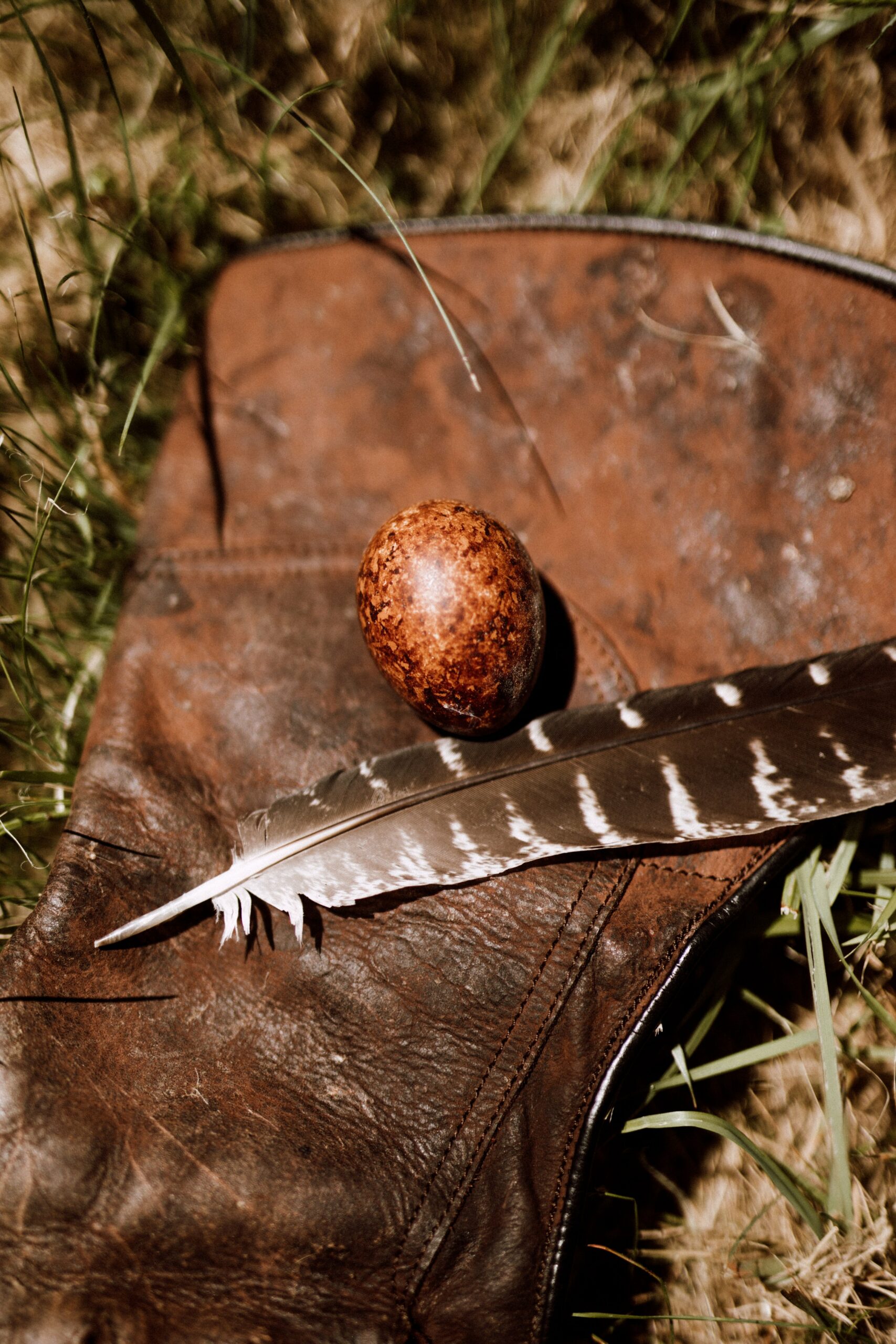
Diana says falcons are "very intelligent, and they never forgive or forget. It's important to get it right in building a trusting relationship with them."
Related Stories
Finding hope in adult ADHD – “a diagnosis is not your identity”
After a traumatic first birth, Hannah suffered a manic episode that led to a bipolar disorder diagnosis, and now a recent ADHD diagnosis has again changed her life.
Learning Curve
Although she grew up on her family farm, Rhea Dasent spent years living the city life. In 2019, she became the fourth generation to return to work on the farm,
Holding on to love through loss: how communication, intimacy and acts of love have helped one couple to navigate tough times
Elise and Matt have navigated the darkest of times in their nearly three-year relationship, including multiple miscarriages
Worlds apart: from Edinburgh to Roxburgh, flatting to living with the folks
Zoë, 30, talks about the transition of returning to her hometown of Roxburgh after a number of years living overseas.