


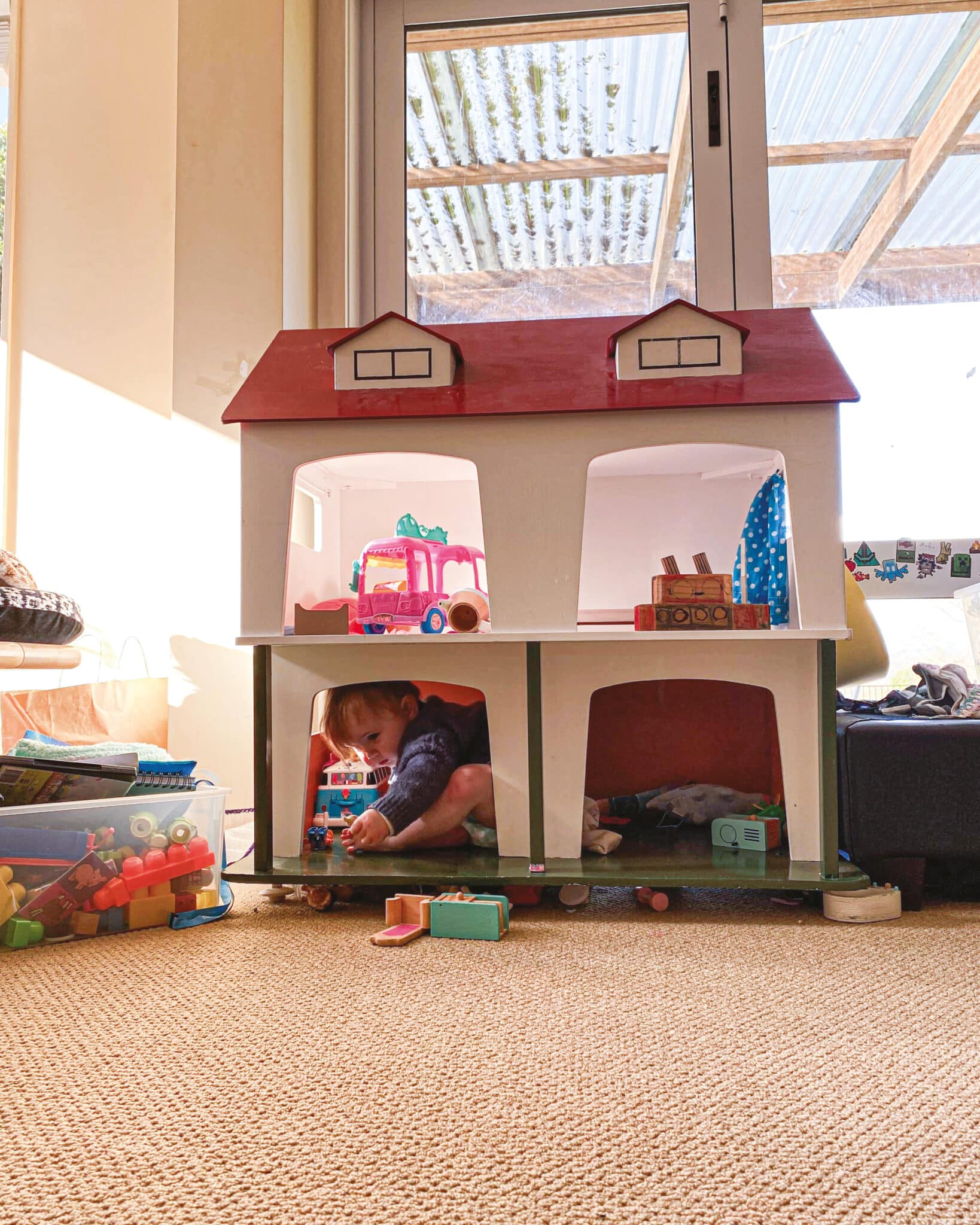
Little Willoughby is tottering around at my feet, a spout of hair on the top of her head and a bunch of curls at the back. She’s taking everything in – where the Nutri-grain is kept for a bowl of dry cereal, where the cat is hiding so she can pull his tail – all while pushing her dolls around in the pram, awaiting her siblings returning from school. This week she was back at preschool for one day and then got sick with hand, foot and mouth, so we’ve been doing the how-to-make-no-childcare-and-work-work juggle – which is near unmanageable with a one-year-old. In other words, it’s been chaos, and the house has more on the floor than in the cupboards. I often wonder if other mothers have more of their shit together.
I used to be embarrassed by the mess in our house, but I’ve come to ignore it. Otherwise, I would lose my sanity and not get any mahi done. Mike’s cousin popped over last year and he said, matter-of-factly, “Oh, you make this beautiful magazine but your house is so messy.” Well, that’s just how it is when you’re juggling young kids and running a business and a farm. I’ve realised it’s not possible to do it all – not for me anyway. And it would be nice to pretend everything’s perfect, but it’s far from it. Now I think of it, I wish I’d said that to him. When we share how things truly are, we create far richer relationships and connections. When I think about friends, it is the people with whom you can be honest – admitting the difficulties and the struggles or the times when you’re questioning things or feeling things aren’t right – who provide the richest and most fulfilling friendships.
In this edition there’s much honesty and vulnerability shared by the women we meet. From Lara sharing her journey into shepherding and how it’s been a tough road breaking into the industry, to Roslein on how volunteering for Riding for the Disabled helped her through grief after her husband died, to Jenny on how she dealt with the grief of losing her baby girl twenty weeks into pregnancy. Jenny was one of six women who we travelled up valleys and along gravel roads to visit for our new podcast, Far From Town, produced in collaboration with RNZ. Listening to the women’s stories as we edited them, I was so genuinely humbled by their openness. Their stories are incredibly special – like overhearing conversations between friends. Read host Arpége’s reflections on the podcast and behind-the-scenes musings in Over a Cuppa.
This is our 25th edition of Shepherdess. I’d like to thank you, our readers, for keeping on supporting us, subscribing year-on-year, picking up your copies at the supermarket, suggesting story ideas and women to interview, and writing in to share how the stories have moved you – this has kept us going. And gosh, there have been many times when keeping going has required every bit of grit and dogged determination.
I’ve been thinking lately about how Shepherdess, as a social enterprise, is in this interesting intersection between social impact and commercial realities. We have people writing to us all the time – not just about our stories, but also how being part of this community has reminded them that they are not doing it on their own – so we know our work has impact. But, like any other business, we can only do this if the budget balances. So, alongside the creative thinking and doing that goes into every Shepherdess project, we spend significant time pitching ideas and securing partners and advertising – because bringing in revenue allows us to support our team, pay our freelance contributors, and create projects we really believe make a difference. We do this as a part-time team, spread across the motu, all with our own juggles going on. We do the mahi, and we trust that it continues to resonate with you, and that you continue to buy the magazine, advertise with us, come to our events, or listen to our podcast.
Here’s to twenty-five editions and hundreds of stories shared. But more importantly, here’s to women feeling a little less isolated, a little less alone – wherever in Aotearoa they call home.
Kristy
P.S. Our podcast with RNZ, Far From Town, launches this month – you can listen to the episodes on RNZ or wherever you get your podcasts.
Glossary. Mahi, work. Motu, country.
This letter appeared in our Ngahuru Autumn 2026 Edition.
Related Stories
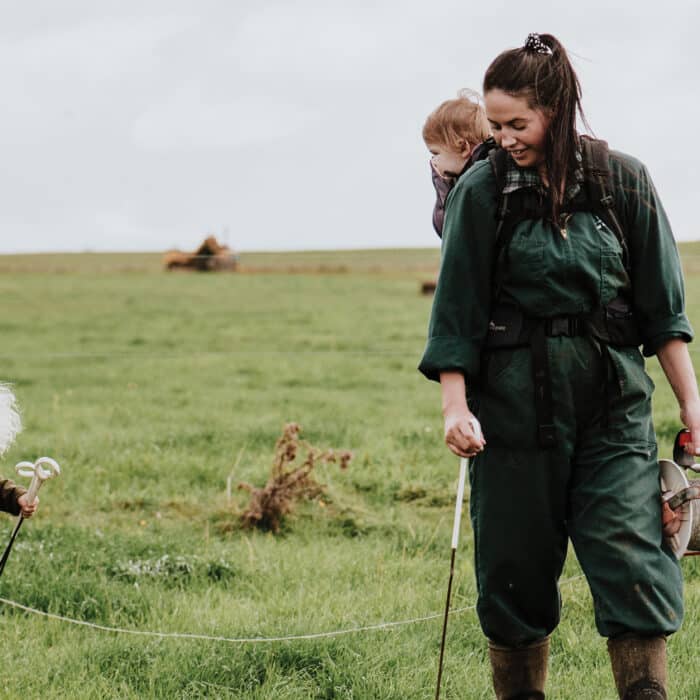
Where They Want to Be
Kali Rangiawha (Tainui) is not afraid of hard work. From contract milking on her own – with a baby in tow – to juggling farming and parenting with her partner,
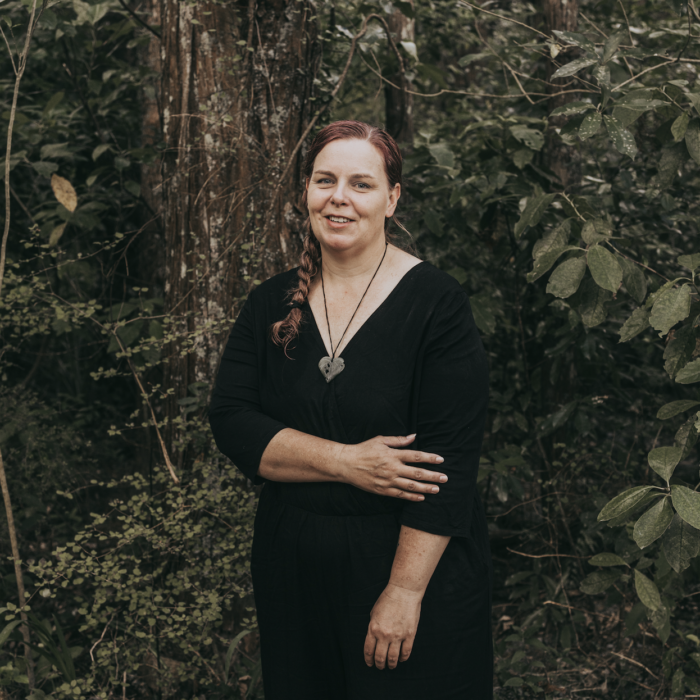
Marie Kerapa
This story is the ninth in a series where we share, in their own words, the stories of ten women who call Tararua home.
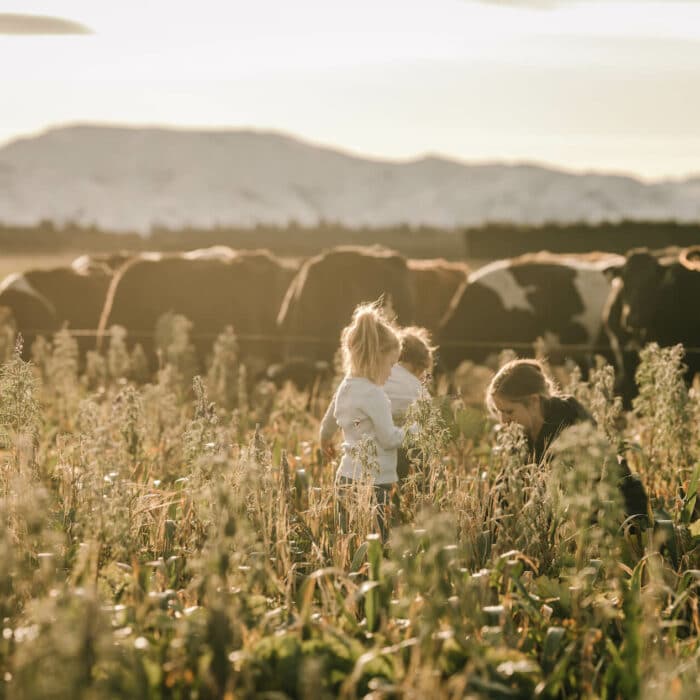
Aligned with Nature
It can be difficult to justify sweeping changes when it’s your livelihood on the line.
Out Now
Twenty-Sixth Edition
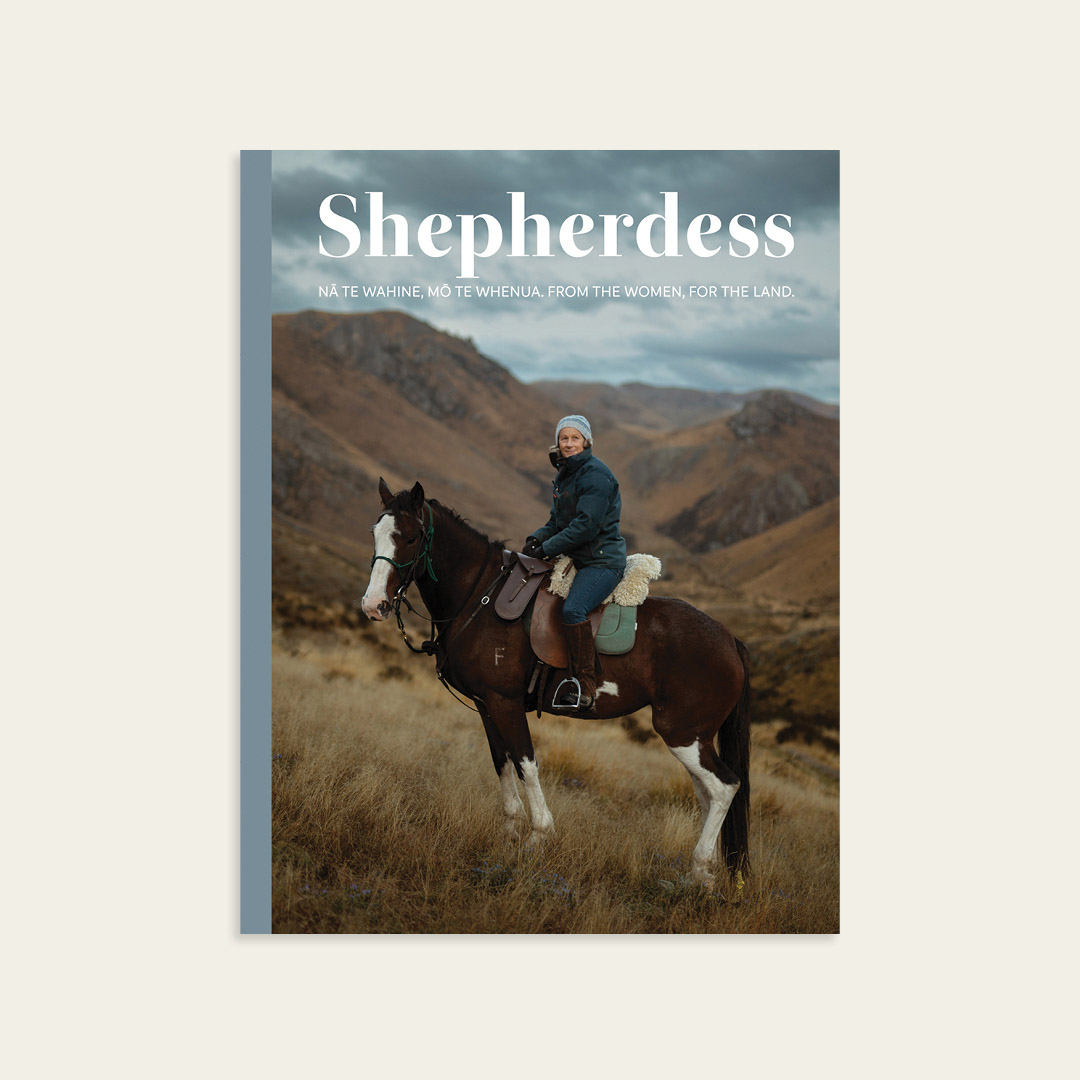
Our beautiful Takurua Winter 2026 Edition is out now.