


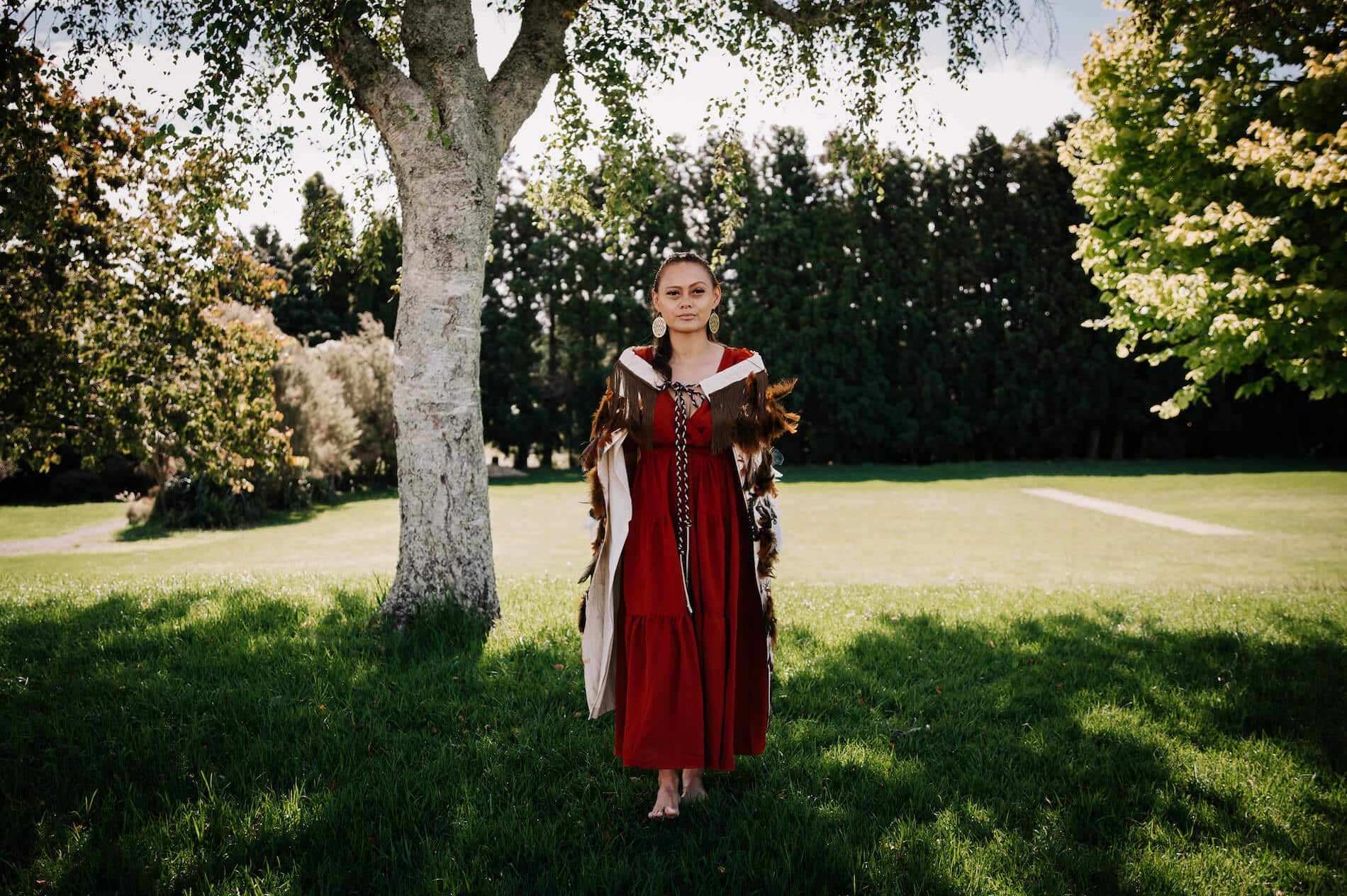
Kua tawhiti kē tō haerenga mai, kia kore e haere tonu. He nui rawa ō mahi, kia kore e mahi tonu. You have come too far not to keep going; you have done too much not to do more. That’s a whakatauākī by Tā Himi Henare that really connects with my wairua in so many ways, and always makes me think of my parents. I’ve had some hard times, but I’ve carried on because I feel they are there in spirit with me, saying, “Haere tonu, you got this.”
My mother was a professor at the Teacher’s Training College in Auckland, and she helped establish the first kōhanga reo in Tauranga Moana – Te Kōhanga Reo o Hairini. She was a very academic, Māori-driven educationalist. She passed away when I was four so a lot of this I only know from what I’ve been told, but I do remember that she raised me with te reo Māori as my first language, and that she made sure that the backbone of everything that I am was built through te ao Māori.
After she died my father came and got me and took me up north and I grew up on Takahiwai Marae in Ruakākā, until I decided to move to Australia when I was sixteen. I stayed there for eleven years, until when my dad died in 2014 I felt the pull to come home. After losing both of my parents I had this feeling that it was time to upskill and give back to my community and I thought, “You know, I think I could be a good teacher.”
It was a struggle, studying as a single māmā with a newborn baby. There were a lot of tears and overwhelming moments when I wanted to give up. But my whānau would say, “You’ve got this, just carry on”, and I did. Whenever it got hard I would remind myself of my children and that I wanted to leave something behind for them to be proud of. I wanted to show them that you can make whatever you want to make of yourself.
And I achieved it. I graduated in 2019 with a Bachelor of Education specialising in Māori Medium and was thankful to get a position teaching in the rūmaki unit at Te Puna School right here in the Bay of Plenty.
We’ve definitely had some ups and downs in the three years I’ve been here. It comes down to the fact that there are not many kaiako Māori. I’ve taught from Year 0 all the way up to Year 8, and I can say that my tamariki have shown courage, resilience and the ability to adapt – and that’s what inspires me to keep going. The good news is that we have two amazing kaiako joining us for 2023 who share that drive to get our kids to where they need to be, so I can see the light at the end of the tunnel.
I can’t even begin to describe the benefits of incorporating te ao Māori into the classroom. We are educating our tamariki to walk in two worlds, and preparing them to become future prime ministers and to sit at those tables. They can regulate themselves through waiata and mōteatea, they understand who they are and where they’re from. They can talk about the geography and history of this place, they have compassion and love for one another.
My next goal is to get my Master of Educational Leadership and create an assessment tool that measures these things. It’s disheartening when we hear that our rūmaki kids are scoring thirty-five per cent lower than kids from the ‘mainstream’ classes. Our kaumātua Tame Kuka has always said that you can’t compare apples with oranges, and that’s why I want to create a tool that measures against the skills and knowledge our tamariki actually have.
My biggest goal is that Māori-medium education will actually become the ‘mainstream’ – that it will be the first and foremost priority in every single school in Aotearoa. I know that’s a big battle, and a big aspiration, but hey – nothing’s out of reach.
Glossary. Kaiako, teacher. Kaumātua, elder. Kōhanga reo, Māori-language preschool. Māmā, mother. Mōteatea, lament, chant, sung poetry. Rūmaki, Māori-language immersion schooling. Tamariki, children. Te ao Māori, the Māori world/worldview. Waiata, song. Wairua, spirit. Whakatauākī, proverb. Whānau, family.

This story is part of THREAD, a year-long project by Shepherdess made possible thanks to the Public Interest Journalism Fund through NZ On Air.
Related Stories
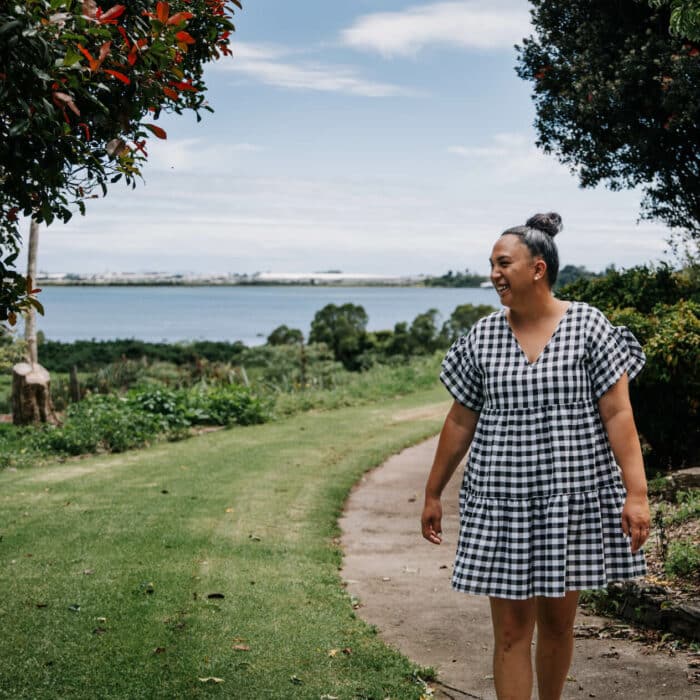
Doing it for the kids: making the local marae clubrooms a community-positive, whānau-focused space
Stacey lives next to Hungahungatoroa Marae, where she has shifted the priorities and focus of the clubroom to provide a more wholesome and community-positive space.
Milking Sheep in Italy
Genevieve Bennett of Waipukurau, Te Matau-a-Māui Central Hawke’s Bay wrote to us about her overseas experience for our latest edition Letter from the Flock.
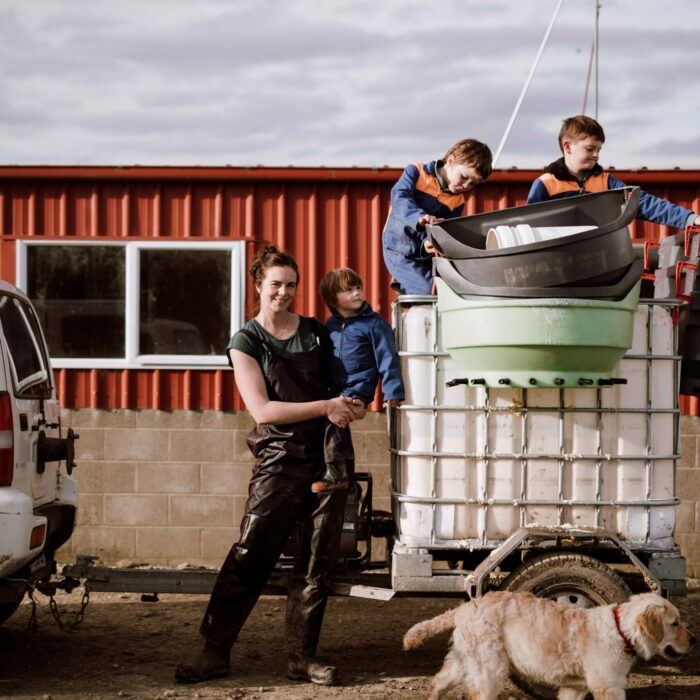
Everyone mucks in: how one Southland family gets through the busy calving season
Mum-of-three Tessa talks us through the busy calving season on the 270-hectare farm her family are sharemilking on in Wendonside, Southland.
It Takes a Village
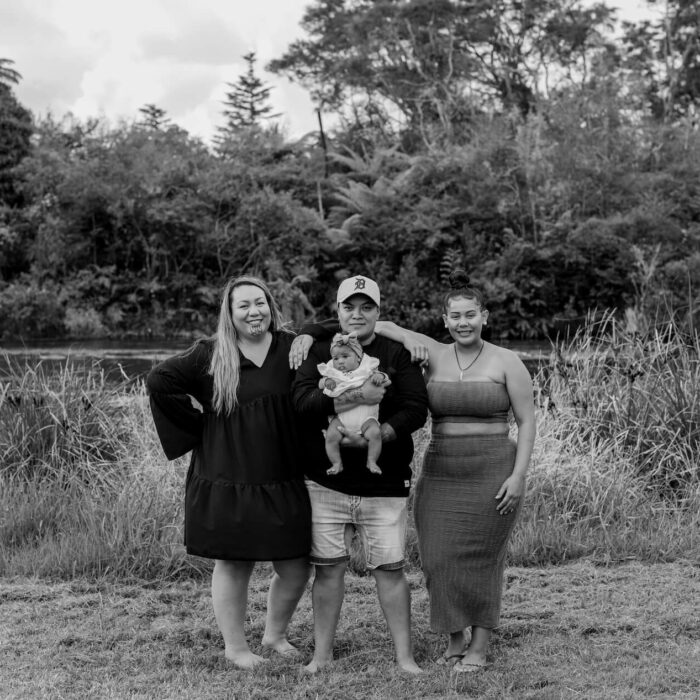
After reconnecting with her cousin Jasmin and Jasmin's partner, Taera found herself and her newborn, Mio, enveloped with love inside a “village” that cared for them both.
Out Now
Twenty-Sixth Edition
Our beautiful Takurua Winter 2026 Edition is out now.