


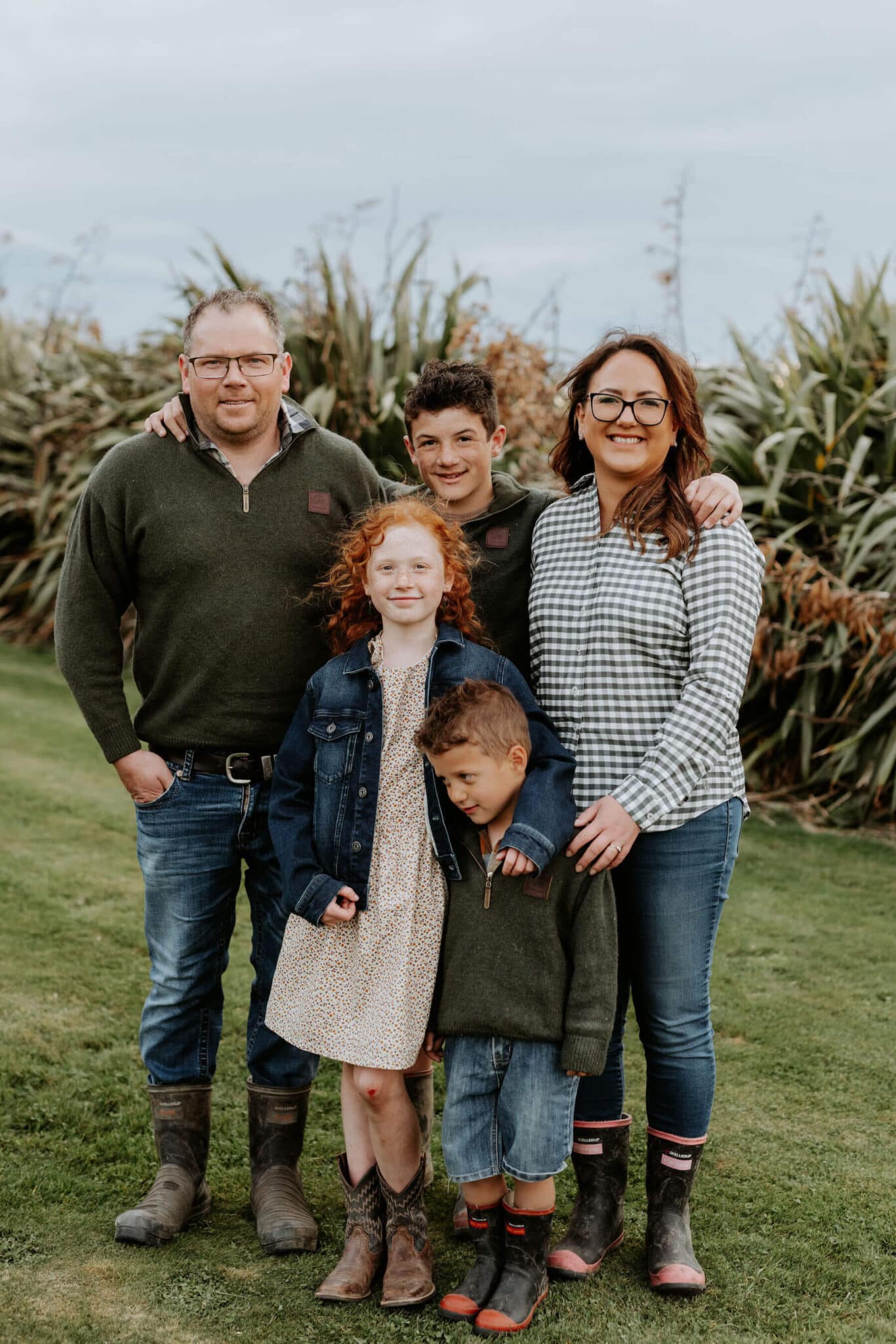
I work off-farm, as the Canterbury Catchment Coordinator for NZ Landcare Trust/Ngā Matapopore Whenua. It’s a role that supports farmers, landowners, catchment groups, community groups and tangata whenua with sustainable land and water use. It overlaps quite beautifully with our family farm, bringing balance to our home – I always think of the farm as an extension of our lawn.
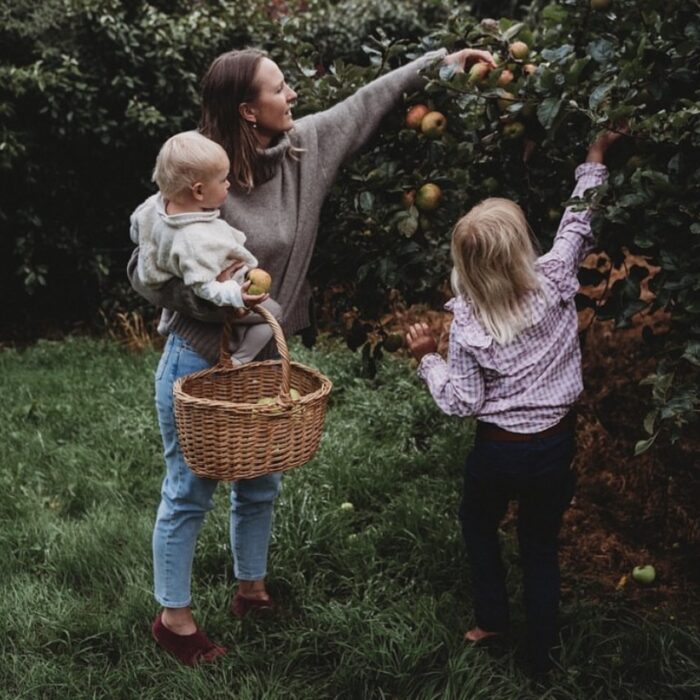
Our family is Māori on my side, and the environment is deeply important to me. I think it's important for every human to know where their food comes from and to know the effort that goes into food production. I also feel that it is my job to ensure my children grow up with their hands in the soil. They go to rural schools and are involved in the running of our farm. Many of the values that I want them to grow up with are easily accommodated in a farming environment – being conscious of and kind to the land, respecting animals, soil and nutrient cycles, but not necessarily wed to how we are farming now.
My own mother left when I was four. It’s been both a blessing and a curse. When I became a parent, I didn’t have a blueprint; I had a massive blank canvas. The danger with a blank canvas is that there are almost no limits! You can reach for the horizon in any given area. For me, it was necessary to create a structure within that, a lot of which has been centred on defining (and revisiting) my values, thanks to a book I came across early in my adulthood journey.
In agriculture and finance you often hear people say, ‘Protect the asset.’ We spend so much of our lives focused on the land, on production, on financials, but for us, for farming families, the real asset isn’t the farm. It’s family. However, when you actually sit down and plan, it’s not often that family stays at the top of the priority list. When our older two were little and I was more hands-on on-farm, Jonny and I had to have some big discussions about how we were going to make things work while keeping the kids safe, warm and knowing they’re loved.
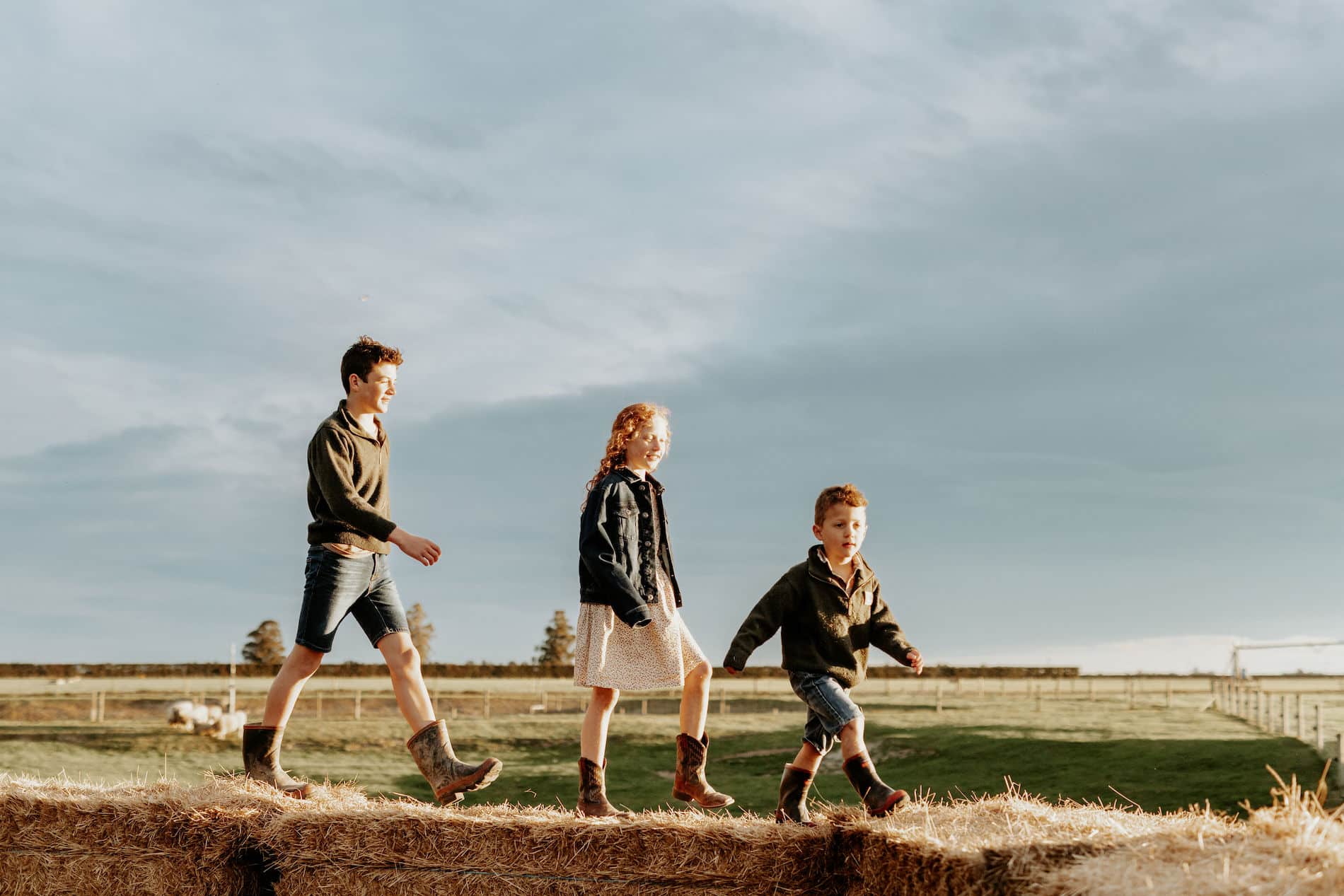
I think that the biggest advantage the kids are getting from farm life is learning about resilience. My little girl woke up absolutely exhausted this morning. I knew it was creeping up on her because, at her (now annual) insistence, she's looking after four orphaned lambs, and I've deliberately taken a step back this year and let her manage them. She came up to me and said, ‘I’m exhausted.’ I gave her a hug and replied, ‘I know you are.’ But she didn't ask for my help. She went and got her jacket – well, my jacket; I don't have my own clothes anymore! – chucked her boots on, pulled the hood up and went out in the pouring rain, because she knows that she's taken on this responsibility herself.
As well as taking care of the animals and the land, it’s important to me that the kids learn about the people side of things – how we form connections and how we look after our team. You have to be a team when you’re farming, and that’s a big part of the children’s interactions on the farm. They’ve learnt that we have to work together. We make the farm an extension of our family, rather than forcing anything.
My hope for the children is that they’ll continue to love the land and farming and grow up to have solid principles in land stewardship, but also be open to diversification – both of thought and land/water use. In another generation, our farm may well be used for diverse, complimentary styles of food and fibre production with a higher value proposition, which in turn facilitates greater options for what succession planning could entail with one farm between three children. In the relatively short time that I’ve been involved in agriculture I’ve seen a lot of succession planning go wrong. Farms, businesses, money – it all comes and goes over the course of a lifetime, but family connections remain and are what keep us going.
Our whānau has a saying that resonates in my mothering journey: ‘Te piko o te māhuri, tērā te tupu o te rākau,' which can be translated as 'The way in which the young sapling is nurtured determines how the tree will grow.’ If I can continue to support our kids with a strong home and family life, they will be balanced, well-rounded young adults, secure in the knowledge that if they need us, we’re always there.
Glossary. Whānau, family. Whenua, land.
This story appeared in our second Social Club newsletter.
Related Stories
What Loving People Do
Sarita Matthews, 44, has been taking care of her husband Dave, 63, an accident twenty-two years ago left him disabled. Despite serious illnesses of her own, Sarita has raised three
Stuffed Marrow
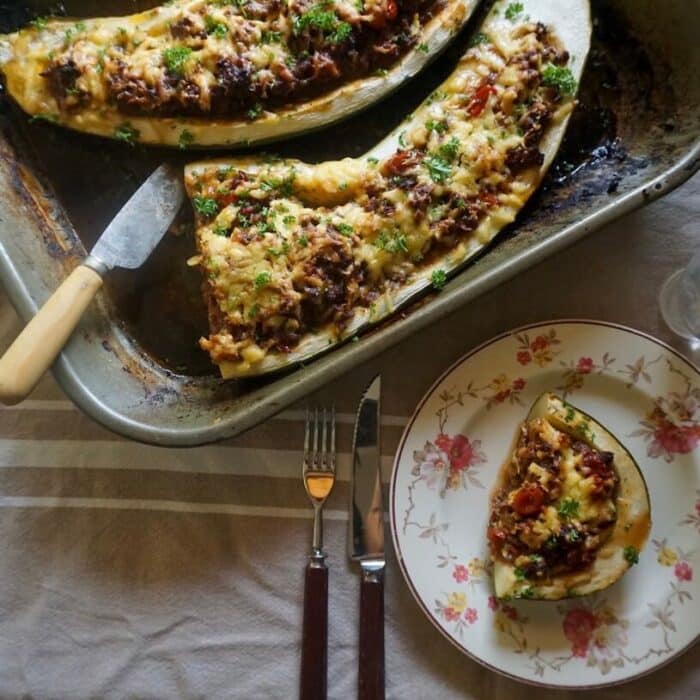
This recipe takes me straight back to my childhood, where Mum purposely grew zucchinis into their older sister – the marrow – to stuff with venison mince.
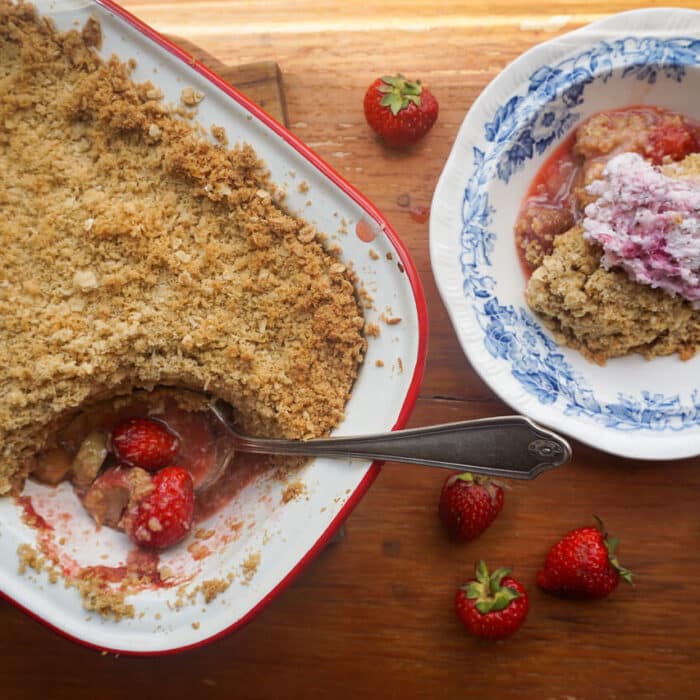
Rhubarb and Berry Crumble
My girls’ favourite activity at the moment is sneaking into our berry house to hunt for ripe raspberries and strawberries; but any they miss go into this crumble.
Out Now
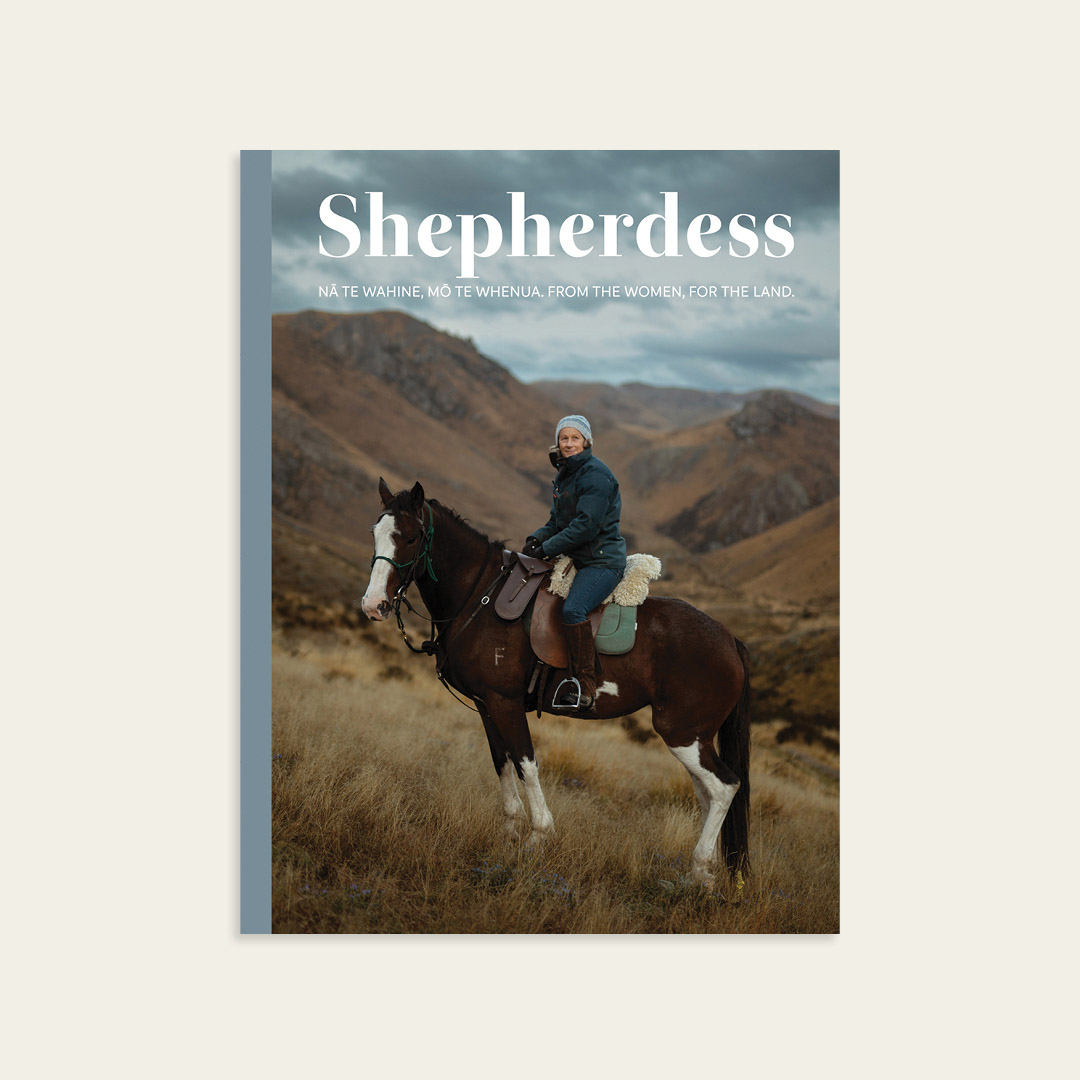
Twenty-Sixth Edition
Our beautiful Takurua Winter 2026 Edition is out now.