


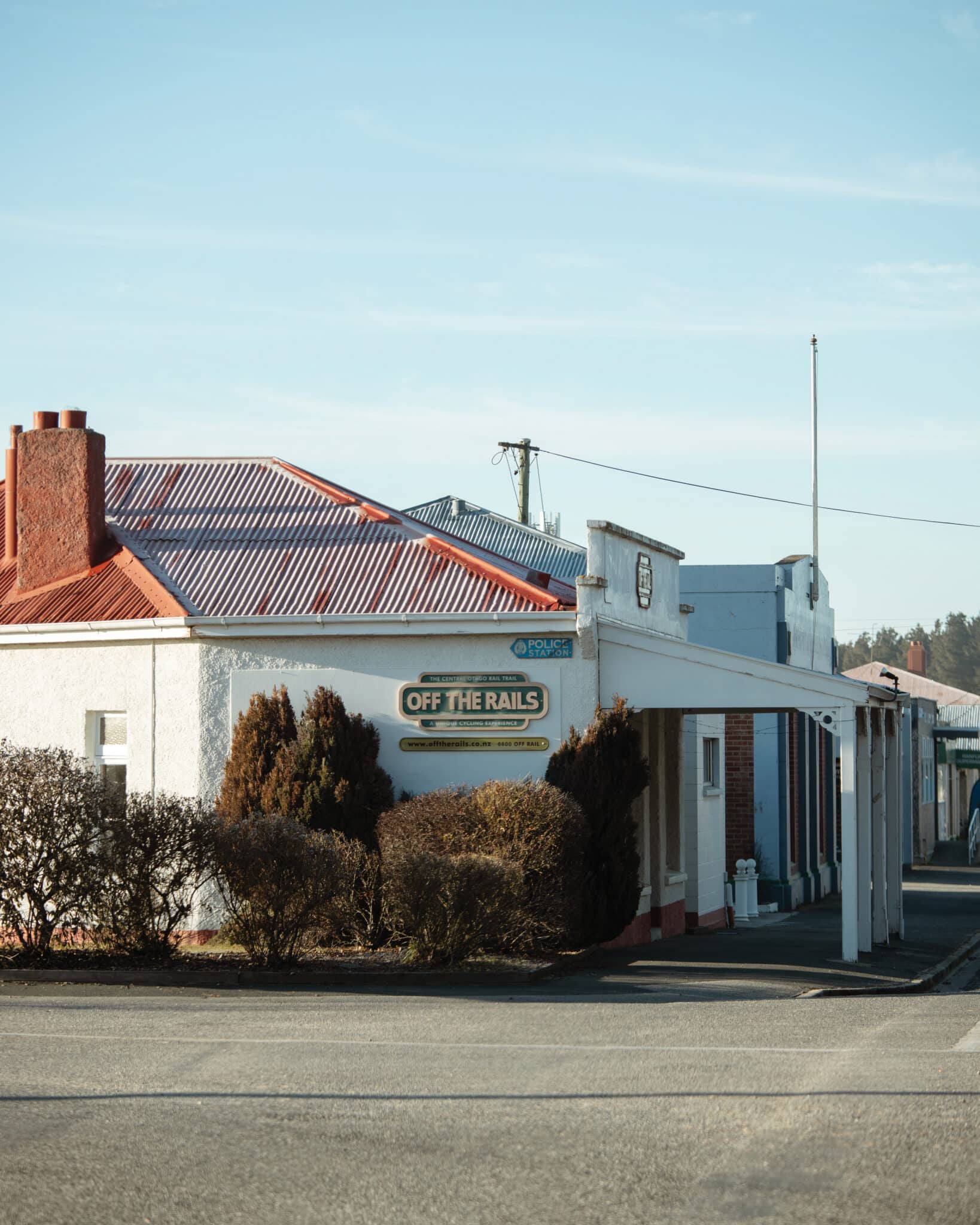
I’ve lived in Māniatoto for a long time now, although I was actually born in Oxford, England. My dad was an All Black and then played for the Harlequins in London. When we came back, Mum and Dad settled in Mosgiel on the Taiari Plains, where I went to primary school with my now-husband Jeff. He’s a couple of years older than me but it was a small school so they had to combine age groups and we’ve got a class photo where he’s standing right behind me. I had a wee crush on him. Meanwhile, I don’t think he even knew I existed until many years later when Dad became his rugby coach.
After university, Jeff and I went travelling. We worked in Canada, fencing, ranching, and riding quarter horses. We carried on to live in England, working in agriculture, and travelling to Turkey and Kenya then Canada again on the way home. Jeff had been offered a job here in Māniatoto working on a farm. Our plan was to work for a bit, save a bit of money, then think about our next option. Twenty-three years later, we haven’t left. You can live the best of all worlds here, and we’ve been lucky to settle in and become part of the community. Both our kids, Madison, 22, and Kassidy, 20, were born and grew up here, so it will always be home to them.
Our community punches well above its weight, as a lot of small-town New Zealand does. Ranfurly really is the heart of our community, with a population of 1,600 if you include the surrounding farming families and townships, which of course we do. We’re very proud of everything we’ve managed to create in our town over the years, from a radio station to the Centennial Milk Bar museum to the new school and hospital – it’s all been on the back of volunteer effort and financial contributions from our rural community.
When we first moved here, I was twenty-two, working for Jane Falconer at Clachanburn Garden. I was in her preserves shed putting wax seals on ribbons for the jars and listening to the local radio station. I absolutely love music, and noticed that most of what they played seemed to be pre-1950s. I decided to do something about it, and when Madison was about three months old, I took her along to the radio station and started volunteering. I brought in my CD collection and played newer music, and people could text in and request songs. I’ve never really stopped being part of the radio station in some capacity. It’s been going since 1991, always run predominantly by volunteers. We relaunched it in 2004 as Burn Radio – that’s Scottish for stream – because there’s Gimmerburn, Wedderburn, all these “burns” that link us together economically, physically, recreationally.
Most Fridays, I’m at the radio station by six am. It’s an early start but I drive in there from Kyeburn quite happily, quite quietly, just enjoying the morning. I love seeing the town wake up, seeing a gorgeous Māniatoto sunrise. I pass the shearers heading in the opposite direction, driving out of town in their vans on the way to work. Once I get to the station, the local paper lands on the front step – I hear it hit the concrete – or Max, the “paperboy,” will come in and hand it to me and say good morning. And I love seeing the seasons of the town. In winter, you see people out for their morning walk before dawn, wearing headlamps and all bundled up. In summer they’re still out there but they’ve completely changed what they’re wearing. The seasons are so defined and distinct – we can get forty-degree highs in summer and minus-fifteen-degree mornings in winter.
One of my favourite stories about our community was when the Goldfields Cavalcade came to the Ranfurly Art Deco Festival – two iconic Otago events combined into one. I was on the veranda of the art deco Ranfurly Hotel compering when the horses came through. It was absolutely magical. Everybody had to be really quiet, and hearing the whole main street, packed with people, just go silent was amazing. Then I turned, thinking, “Right, now all the beautiful classic vehicles will be coming,” and at that moment I realised I’d had no response for a call-out to poop scoop after the horses. I was panicking, but behind the scenes people scrambled around town, found wheelbarrows and quickly cleaned up the street before too many of the vehicles – shined within an inch of their lives – came through. It just goes to show, even if something slips through the gaps, it’s not the end of the world – that’s how community spirit works here.
Glossary. Taiari, traditional Māori name for Taieri.
This story appeared in our Ngahuru Autumn 2026 Edition.
Related Stories
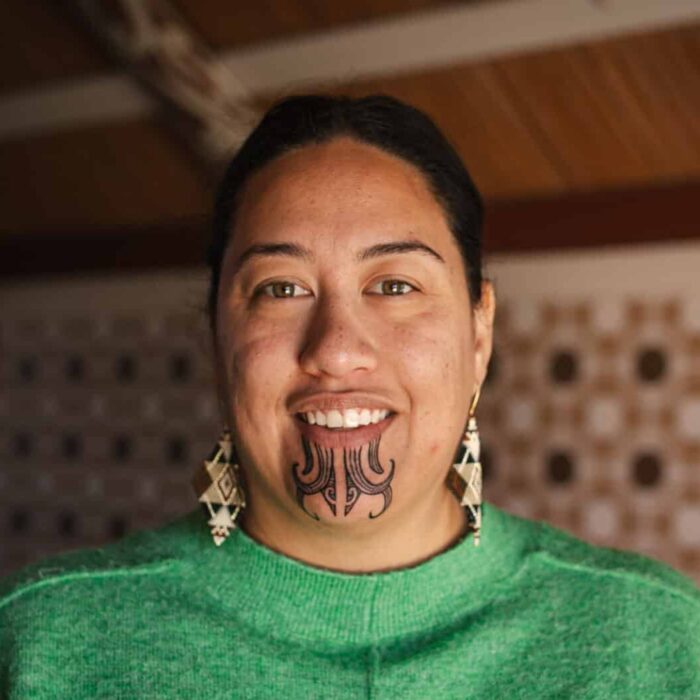
Wearing Their Kauae
Reflecting on the mokopapa, and the unique path that led each of them to it, Darcia, Challen and Mona-Pauline explore how multifaceted it is to be a wahine Māori exploring
Love in the Back Blocks
A future husband was the last thing Jaimee Coulter expected to find when she was doing her rounds as a fertiliser rep.
Taumarunui
Juanita Duncan, of Ngāti Uenuku, Ngāti Rangi, Ngāti Kahungunu and Ngāpuhi, works at Taumarunui High School – the same high school she attended as a teenager. Juanita believes the small
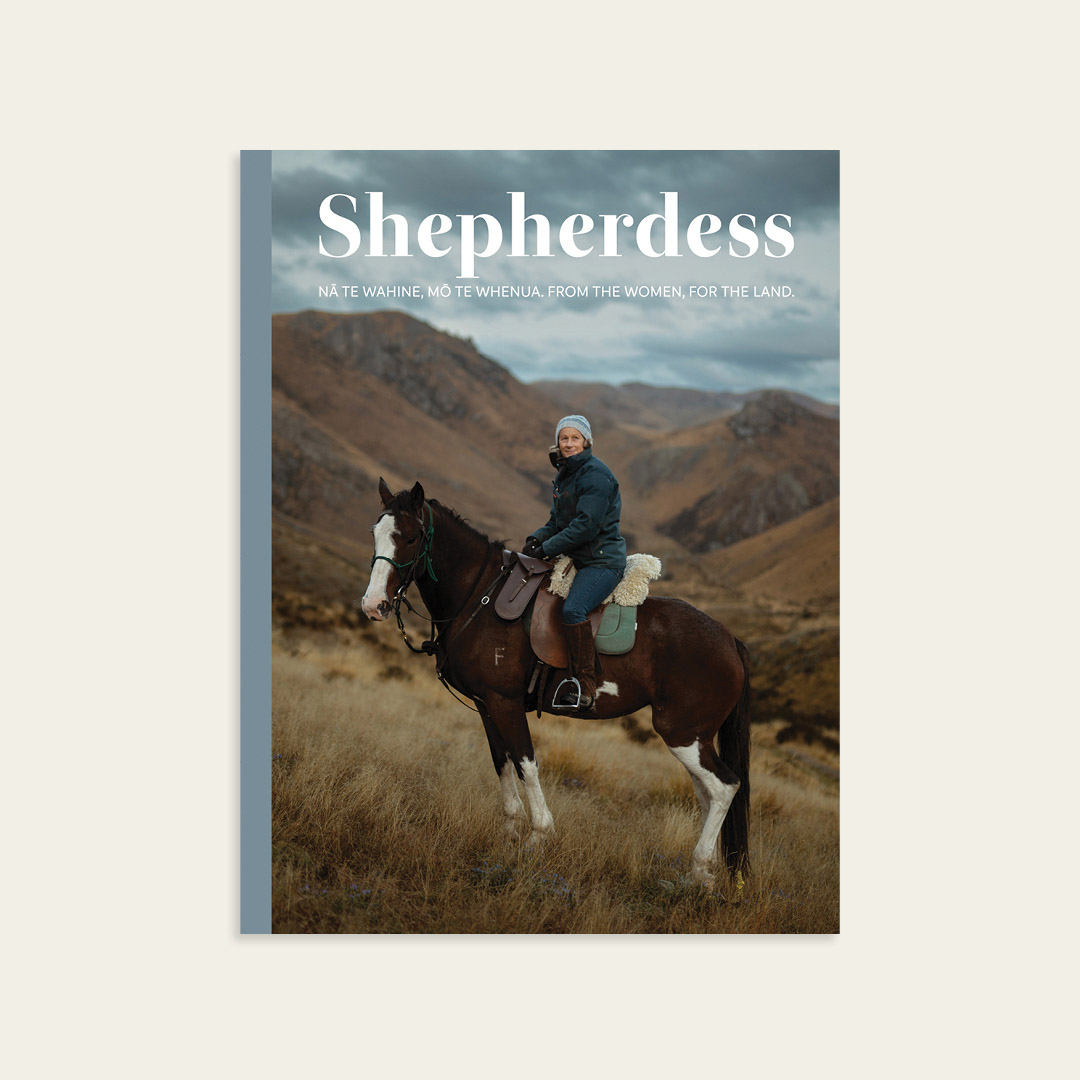
Out Now
Twenty-Sixth Edition
Our beautiful Takurua Winter 2026 Edition is out now.