


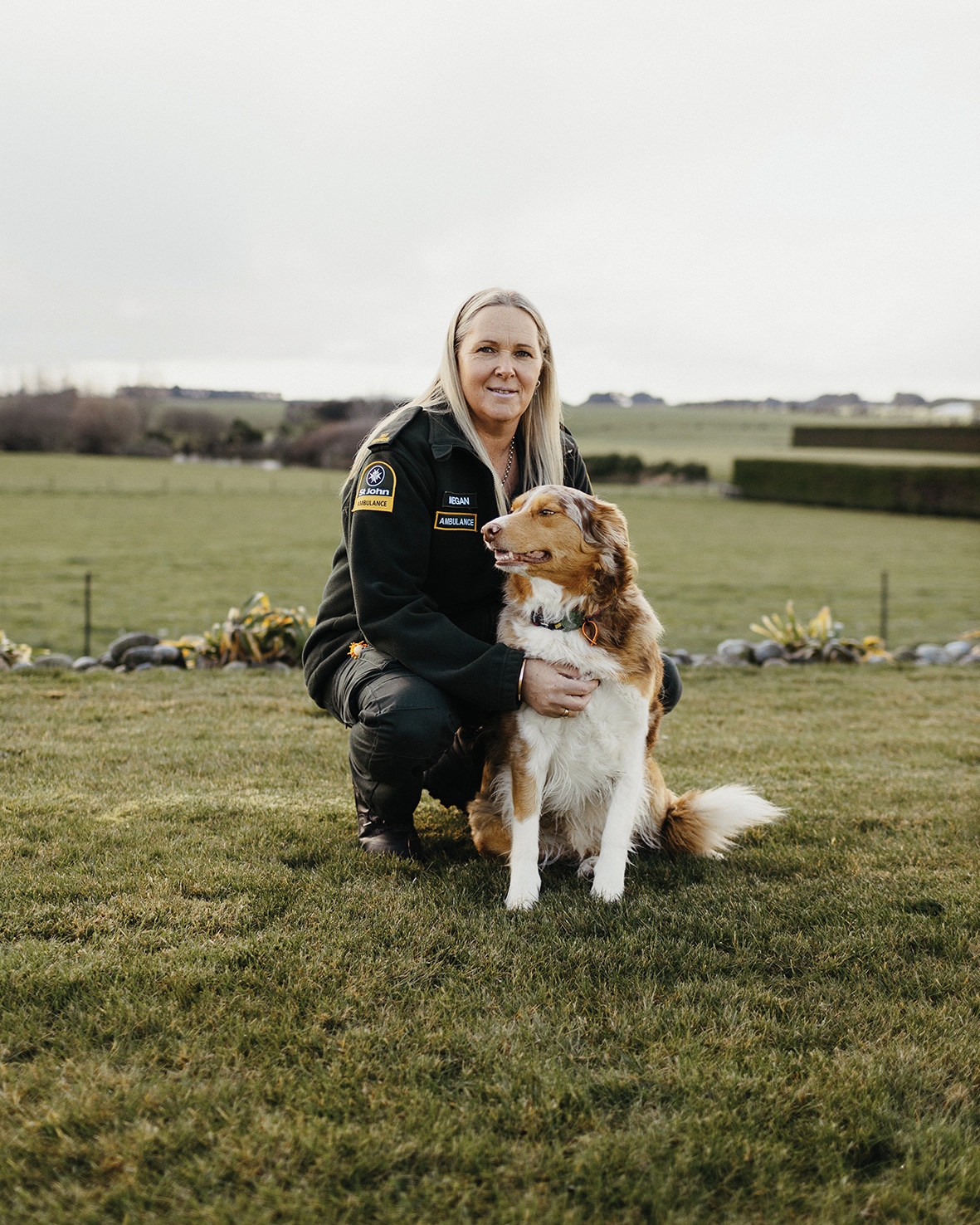
Can you tell us about your ties to Lumsden? My family has been here for three generations. My parents, Patsy and Nigel Shirley, were shearing contractors in Lumsden. Dad had a sheep farm, and I became a wool classer. I worked in Australia, did a stint in Canterbury and Central Otago, then came back home. I’m very family oriented. I have two boys – Jonty, 20, and Jacob, 18. I love having my kids home. And I love the small community – everyone keeps an eye out for each other. I’m not a city girl!
Your family has had a big role in keeping the Northern Southland Community Shears annual shearing and wool handling competition going for the past twenty years. My family brought it from Mossburn to Lumsden, and kept it going with our group of shearers and wool handlers. It was a real family affair – we’re all life members. Mum’s quite sick now, so she’s stood back for the last two years, but it’s a really special day for us. We were really invested in the shearing world. We travelled New Zealand competing in all the shows for years. My brother was a show shearer, and I was a wool handling competitor. It’s just in the genes, and it’s something that we don’t want to see die. I still do the wool handling side of it, and my brother still helps out with the shearing side. A really good bunch of people have stepped up and are running it now. Mum went along this year and got to catch up with a lot of the judges and competitors, which was really nice.
It sounds like it brings people together. It does – which is a good thing in the rural community. Some farmers will come and watch, and have a day out catching up with friends and family. It’s really good to get them off farm.
What got you working in agriculture? Mum had a bad heart attack when I was about sixteen, and she was the cook for our gangs. So, I finished school to start working in the sheds. We had a farmer, Ivan Pilgrim, and he was a gruff sort of man. But he took me under his wing and talked me into sitting my classing certificate at Lincoln. So I did, and then I would come back and class his wool every year until he retired and sold the farm. He could obviously see potential in me, which I didn’t see at eighteen or nineteen.
What do you do as a Technical Field Representative for PGG Wrightson? You meet up with your clients, talk, and make plans for their farming situation. You get technical support people from PGG Wrightson if you need extra advice on fertiliser, agchem, seed, animal health – anything you could think of that runs a dairy or sheep farm. You’re there to do
the best you can for your clients and make their farming life easier.
You also volunteer for Hato Hone St John. I’m a first responder out of Lumsden. You never know what or who you’re going to come across. Being in a small area, you know everybody. We’ve had the ambulance to my mum a lot, so this is a way for me to give back. I just love getting out and helping people. I’m on call weekends and some nights. As soon as I put that uniform on, I feel like I’m a different person. It’s a lot of hours of training to become a St John volunteer, so I guess it’s just a feeling of pride. You’ve got your uniform on. You’re ready to help people in their time of need.
How do you juggle everything? I’m at my best when I’m busy. If somebody asks me to do something, I can’t say no. I keep saying to my kids, “There’s nothing wrong with volunteering. Don’t expect to get paid for everything that you do, because that’s not how things work.” We’re all nothing without the help of our community. My family is very supportive of the volunteer work I do. My mum loves seeing me in my uniform and jokes, “Hope you don’t come to me today!”
How do you know it’s been a good day? When I’ve saved a client some money. Or if you go to a patient and they’re really upset and scared, and you can calm them down and get them to a safe place. To me, that’s my job done. With St John you feel privileged to be able to go into somebody else’s house when they are in that vulnerable state. Most people, they’re just so thankful. Having solid support networks in both places helps me decompress and keeps me grounded. It reminds me that even though the work is intense, I’m never doing it alone.
This story is supported by PGG Wrightson. In the last five years, the Cash for Communities programme has injected $37,000 into Hato Hone St John stations across Southland, and a further $140,000 into other Southland causes. This year’s programme runs from 1 September to 30 November 2025. For more information, see cashforcommunities.co.nz.
This story featured in our Kōanga Spring 2025 Edition.
Related Stories
Melissa Reiri
This story is the eighth in a series where we share, in their own words, the stories of ten women who call Tararua home.
The benefits of a collective oomph – how taking part in AWDT’s ‘It’s all about YOU’ programme led to longstanding connections and a rewarding career
Katherine credits this course with helping her to find inspiration and confidence to embark on a journey in life coaching, teaching, and group facilitation.
Amie Bingham
From podcasts to packing, Amie, 43, shares what a typical day at Dark Hampton is like for her.

Brooke Taylor
This story is the fifth in a series where we share, in their own words, the stories of ten women who call Tararua home.
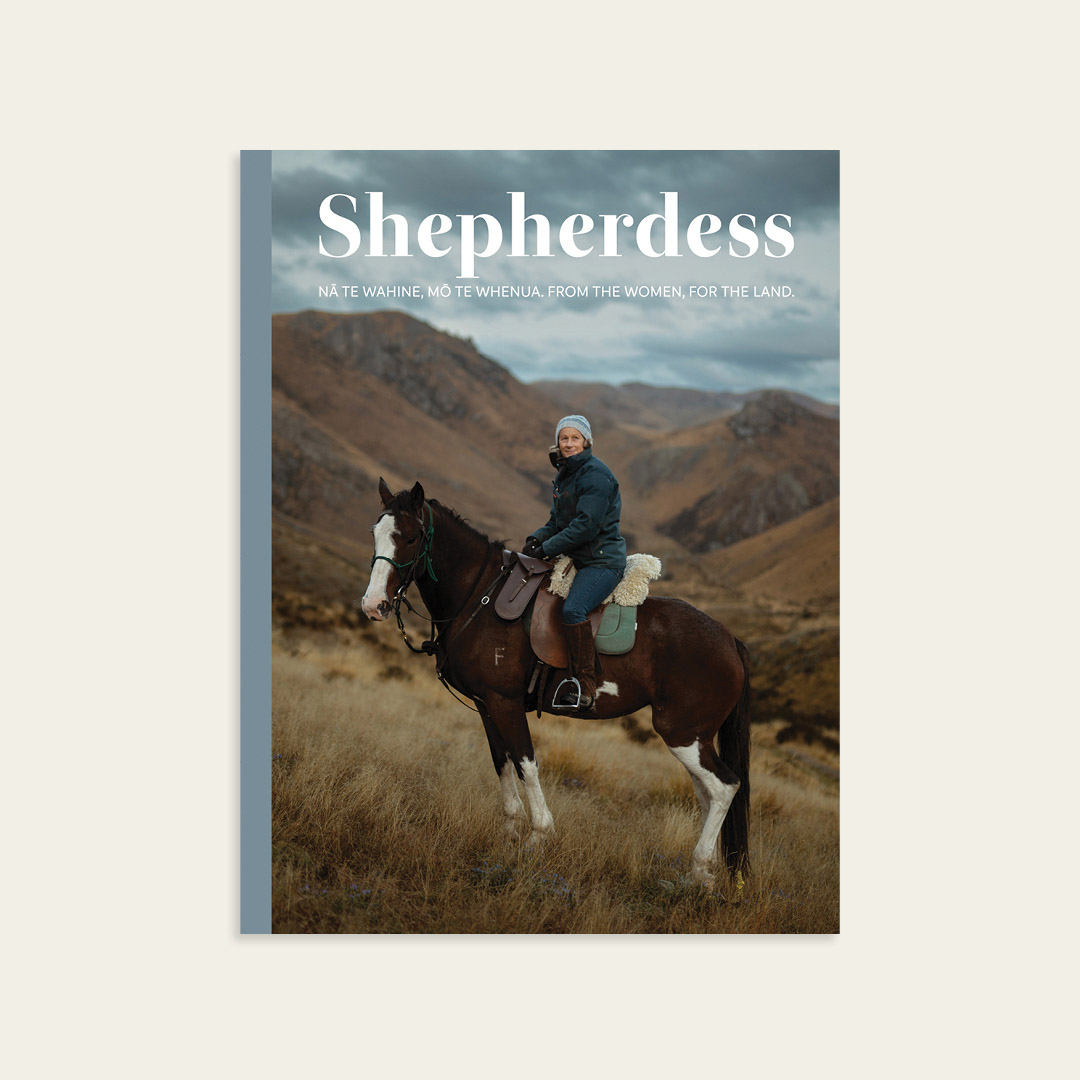
Out Now
Twenty-Sixth Edition
Our beautiful Takurua Winter 2026 Edition is out now.