


23 February 2026
Common Ground
Mano Whenua. Heartland.
writer: As Told To Felicity Connell
photographer: Raymond Sagapolutele (Avo & Fatuvalu, Savai'i; Tanugamanono & Saoluafata, Upolu, Sāmoa)
When artist and photographer Raymond Sagapolutele arrived at Castle Hill Station, he quickly found common ground with farm managers Anne and Jason Hann, discovering shared values around care for people and place. The Upper Waimakariri Catchment Group – which Anne chairs – hosted Raymond in April as part of the Pacific Arts Nature Residencies, a collaboration between Creative New Zealand and Aotearoa New Zealand Catchment Communities.
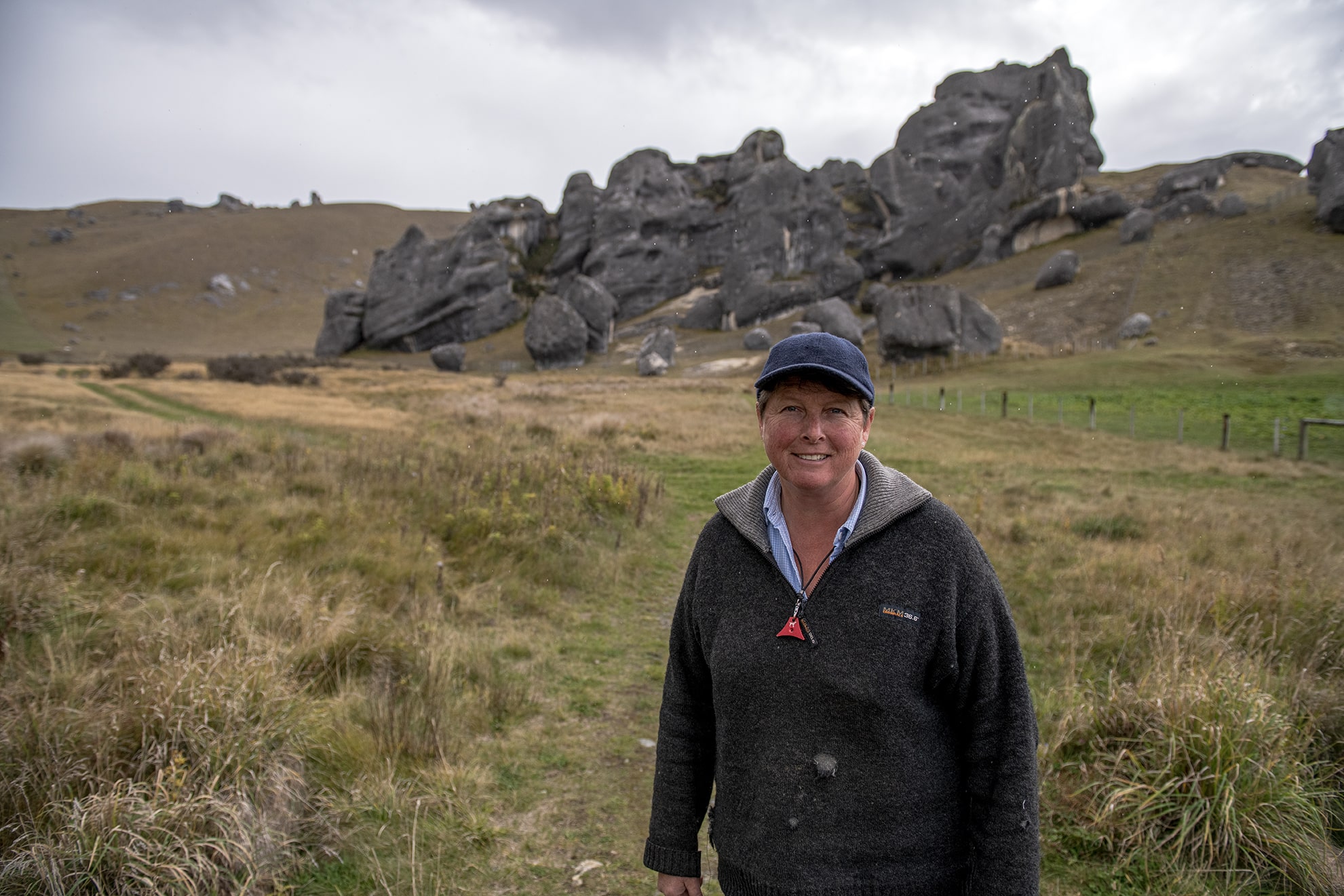
Anne Hann
Anne, 52, (above) and Jason, along with Brendan Smart, known affectionately as Smarty, manage Castle Hill Station, just outside Kura Tāwhiti Castle Hill Village and about one hundred kilometres from Ōtautahi Christchurch. The 3000-hectare high-country station is surrounded by the Craigieburn Range. Anne volunteered to host Raymond in one of the station’s cottages, seeing it as a chance to gain a new perspective on high-country farming. “Embracing – I think that’s probably the best word to describe Raymond – you just wanted to give him a hug the minute he walked through the door. He made us feel good about what we do on our farms, how we look after the environment and how we work with the ecosystems we’ve got here.”
That exchange of perspectives went both ways, Anne says. “We also got an insight into his South Auckland life. His family is really important to him, as it is for us. Raymond told us that there is a community feel about South Auckland, that they all look after each other. We’ve got six stations in this area, and for us, they’re neighbours – we look out for each other. So those similarities were really cool.”
Anne was impressed by how fully Raymond threw himself into high-country life – even when he got a flat tyre returning from visiting another station. “He had to change the tyre out in the middle of nowhere all on his own. And we were like, ‘Oh my God!’ But he said it was actually a really good opportunity to stand still, and look at the environment he was in, and take some more photos! The photos he took were just stunning. I think one of the highlights was how he managed to capture the true person when he photographed some of us in our locations. It’s just a gift to have people come to your place and have a completely different perspective on it. You’ve got to let yourself be open to these experiences – you just don’t know what you’re going to get out of it, but it could be really amazing. It was with us.”
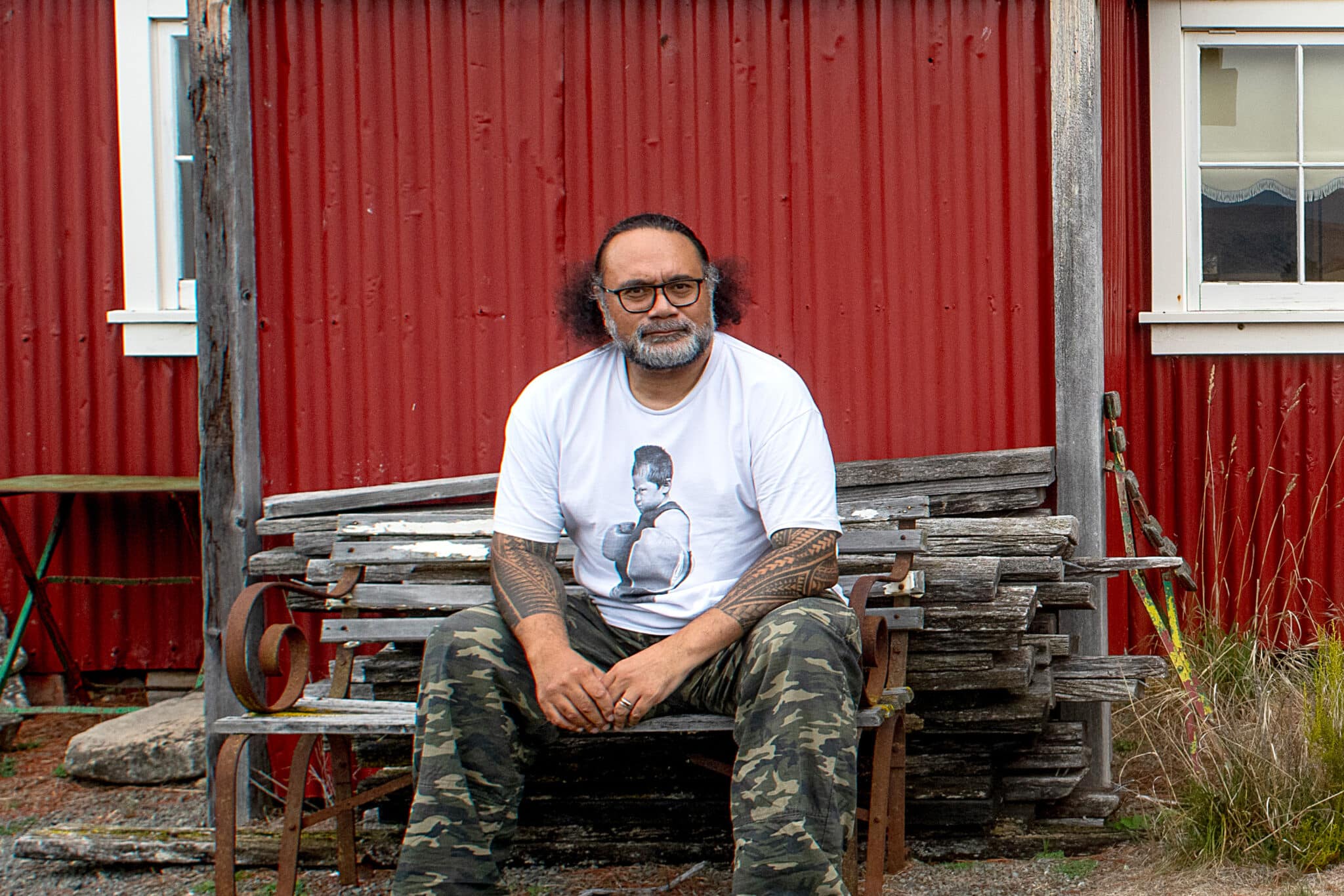
Raymond Sagapolutele
Raymond, 54, (above) has an early memory of the classic dairy farm experience of warming bare feet in a fresh cow pat. Born in Tāmaki Makaurau Auckland and now based in Manurewa, he’s been an urbanite most of his life – but when he was a year old, he and his mother lived briefly in Waihōpai Invercargill, where she worked as a nurse at the local freezing works. They had friends who were sharemilkers, and those early memories of farm life stayed with him. Once the family returned to the North Island, Raymond had little contact with rural places, apart from an unsettling school rugby trip to the West Coast in the 1980s, when his team – made up mostly of Māori and Pasifika – encountered blatant racism.
“It really tainted my impression of farm life. So when they asked me if I wanted to be part of a residency sending Pacific Island photographers to spend time with high-country catchment groups, part of me thought that it would be a great experience, but part of me remembered that experience when I was younger, and I wondered, ‘Are these farmers going to be okay with me?’ I started getting these thoughts in my head like, ‘Oh, this could turn out to be a disaster, I have no idea what I’m getting myself into.’ But I met Anne and the other members of the catchment group and they were really amazing. Any negative thoughts or doubts I had went out the window in the first five minutes. All of the farmers, the shepherds, and even some of the more colourful characters, they only offered me alofa, or love, and were amazing hosts. If anything, I think I felt a bit stink that I couldn’t do more to help, because it was like, ‘Sure, I’ll come out on this. What are we doing again, and how do I get there? And what’s this end of the animal called?’ As someone who comes from an urban environment, it was both a fascinating and educational experience. And really, I’ve made friends for life – I keep in touch with them continually.”
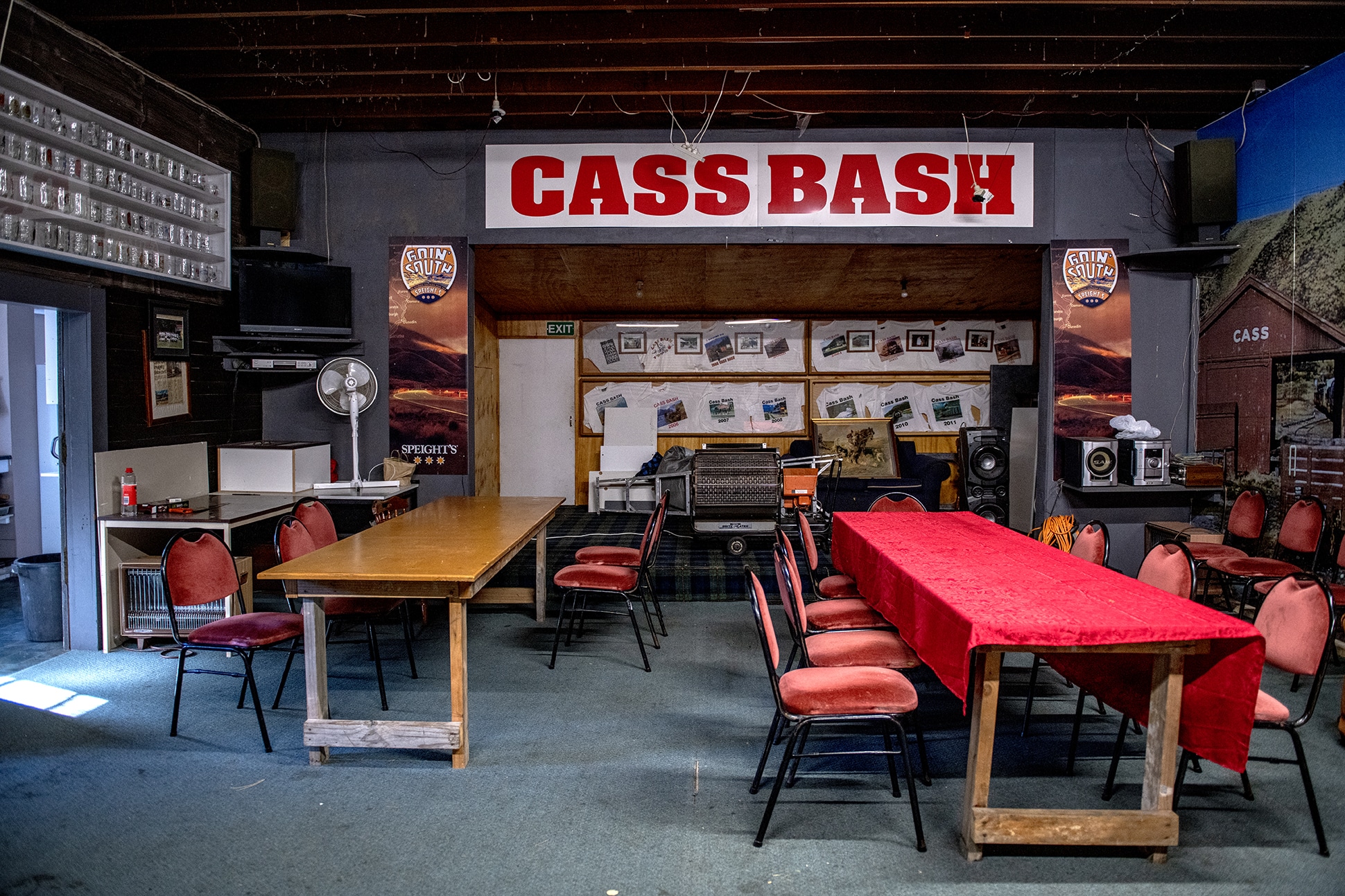
Above. “This is from inside one of the old railway sheds at Cass,” says Raymond. “It’s got the most amazing collection of beer mugs and memorabilia – you get a sense of the parties that used to go on. Barrie Drummond, who is the only resident at Cass, he just looks after everything. He is one of those real characters – when I came down to see him, he was a bit standoffish. He was like, ‘What do you want here, city boy?’ But when he realised I was actually fascinated and really curious to know what was going on, he was like, ‘Okay.’ And he just showed me around. The Cass Bash is an annual cricket match Barrie used to organise. He’s built a mini golf course, too – shepherds from the other stations helped him with that.”
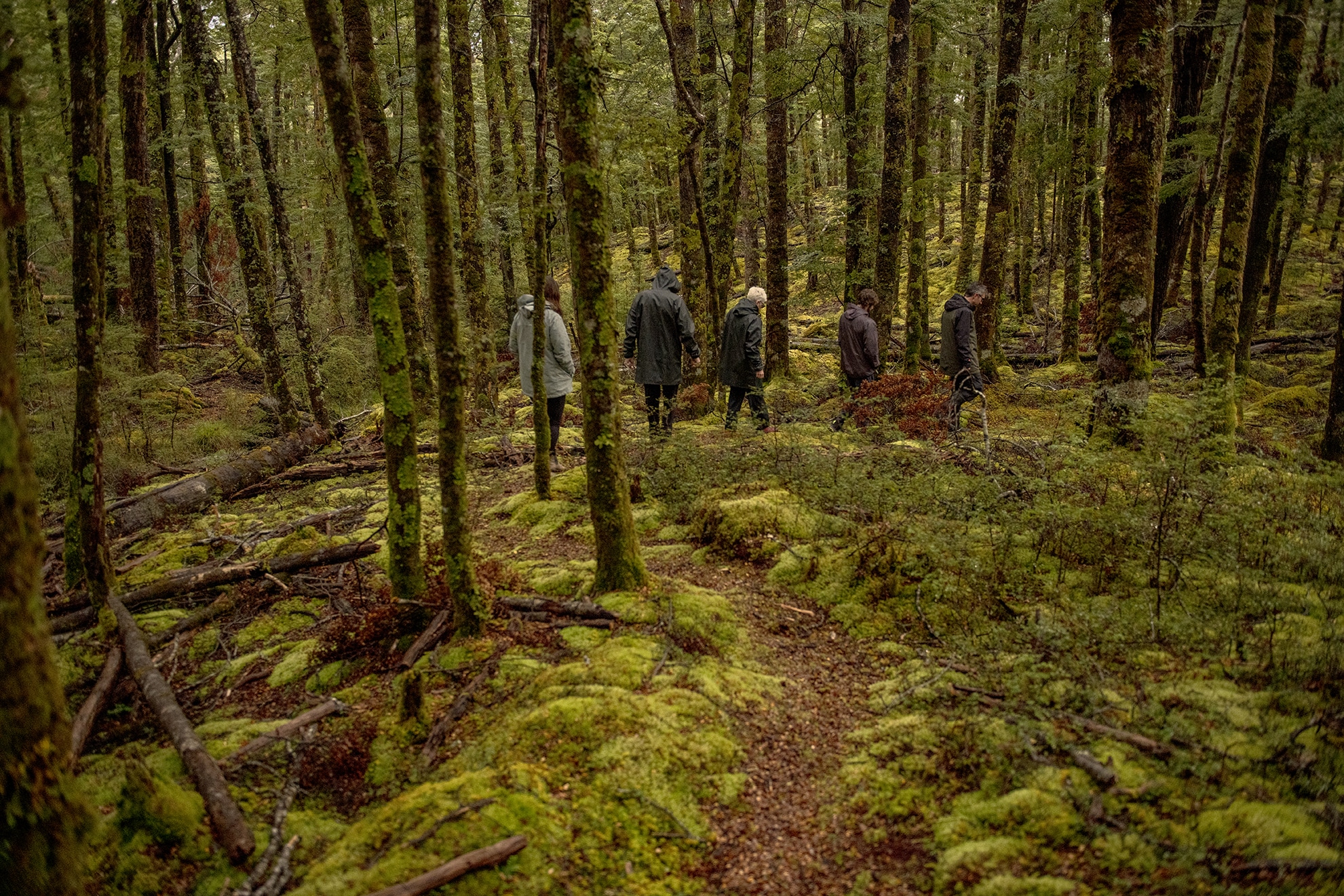
Glossary. Tangata Whenua, Indigenous People.
Continue reading the full story in our Raumati Summer 2025/26 Edition.
If you enjoyed this story, please share with someone else.
This story appeared in the Raumati Summer 2025/26 Edition of Shepherdess.
Get your hands on a copy.
Related Stories
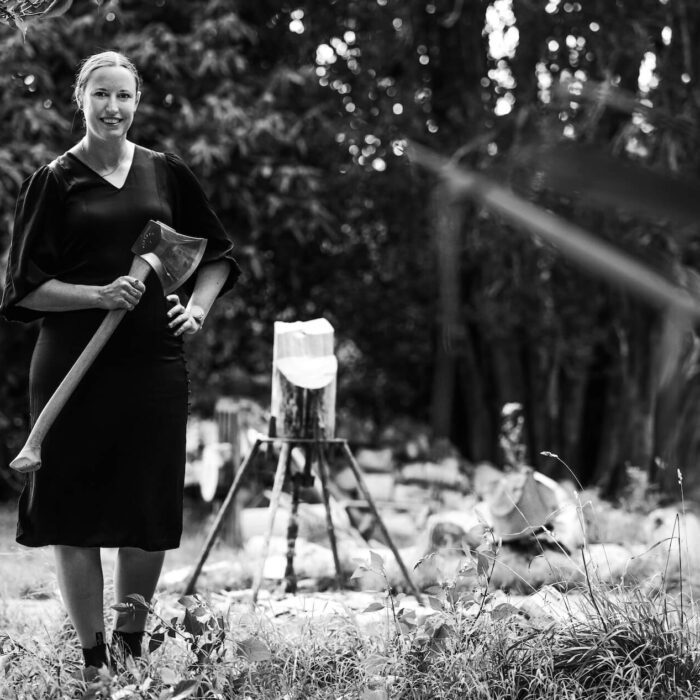
The Swing of Things
Emma is a criminal defence lawyer in Whakatū Nelson. She discovered competitive woodchopping three years ago and fell in love with the heritage sport’s balance of power, grit and camaraderie.

Frolic Frocks
As the weather shifts and the sun warms cool skin, our clothes reflect the optimism in the air – light, colourful garments in cotton and linen that raise the spirits.
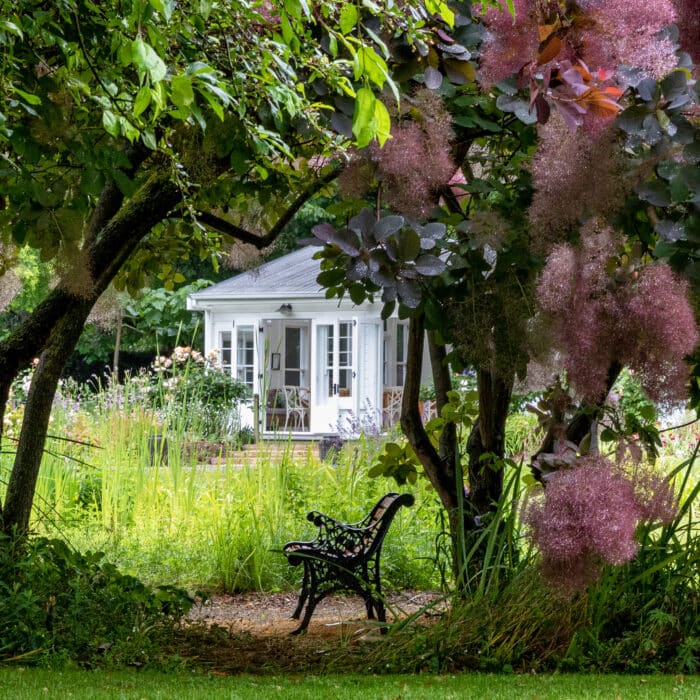
Green Fingers at Greenhaugh
Ahead of this year’s Manawatū Garden Festival, we catch up with Lynne Atkins. She has spent close to fifty years creating Greenhaugh Gardens. Her story is rooted in hard work,
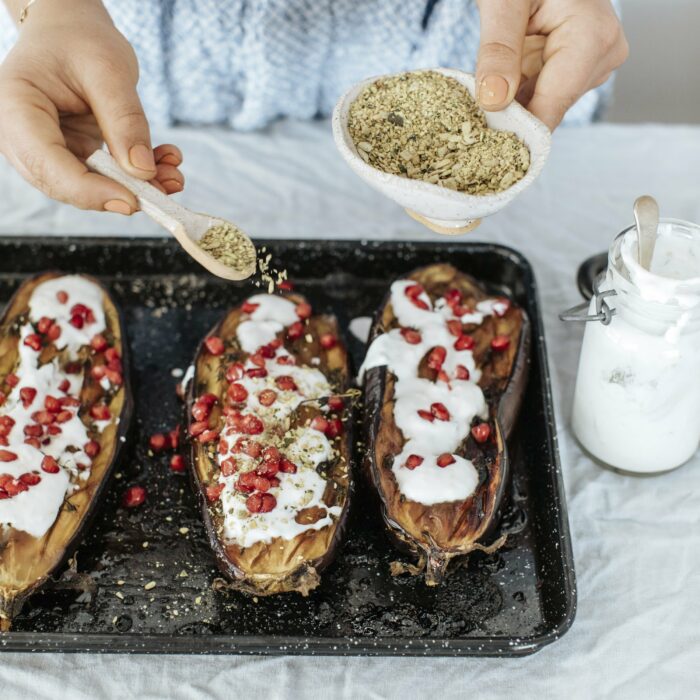
Thyme and Pomegranate Baked Eggplants with Lemon Yoghurt
Eggplants are an amazing meaty vegetable that takes on almost any flavour profile you pair them with.