


21 July 2026
Be Their Guest
Mano Whenua. Heartland.
Writer: ANNA BRANKIN (KĀI TAHU, KĀTI MĀMOE)
Photographer: LISA SUN
One moved for love, and the other is the fifth generation to farm her family’s land. But Olivia Kay (Ngāi Tahu) and Sara Rowley both wanted to share with others the beauty of the land that surrounds them. Here, we hear the stories behind their Canopy Camping Escapes accommodation ventures.
With thanks to Canopy Camping Escapes for supporting the production of this story.
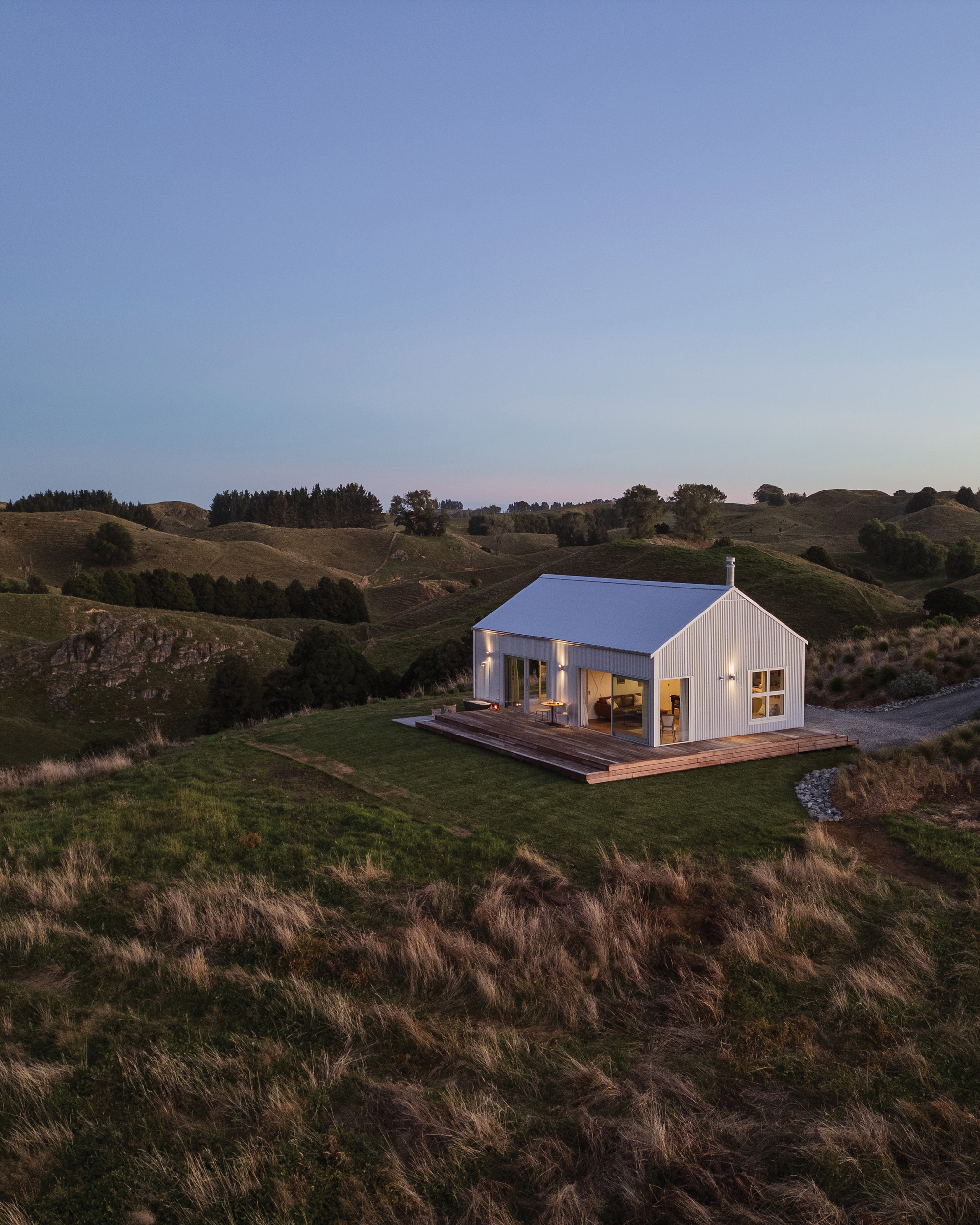
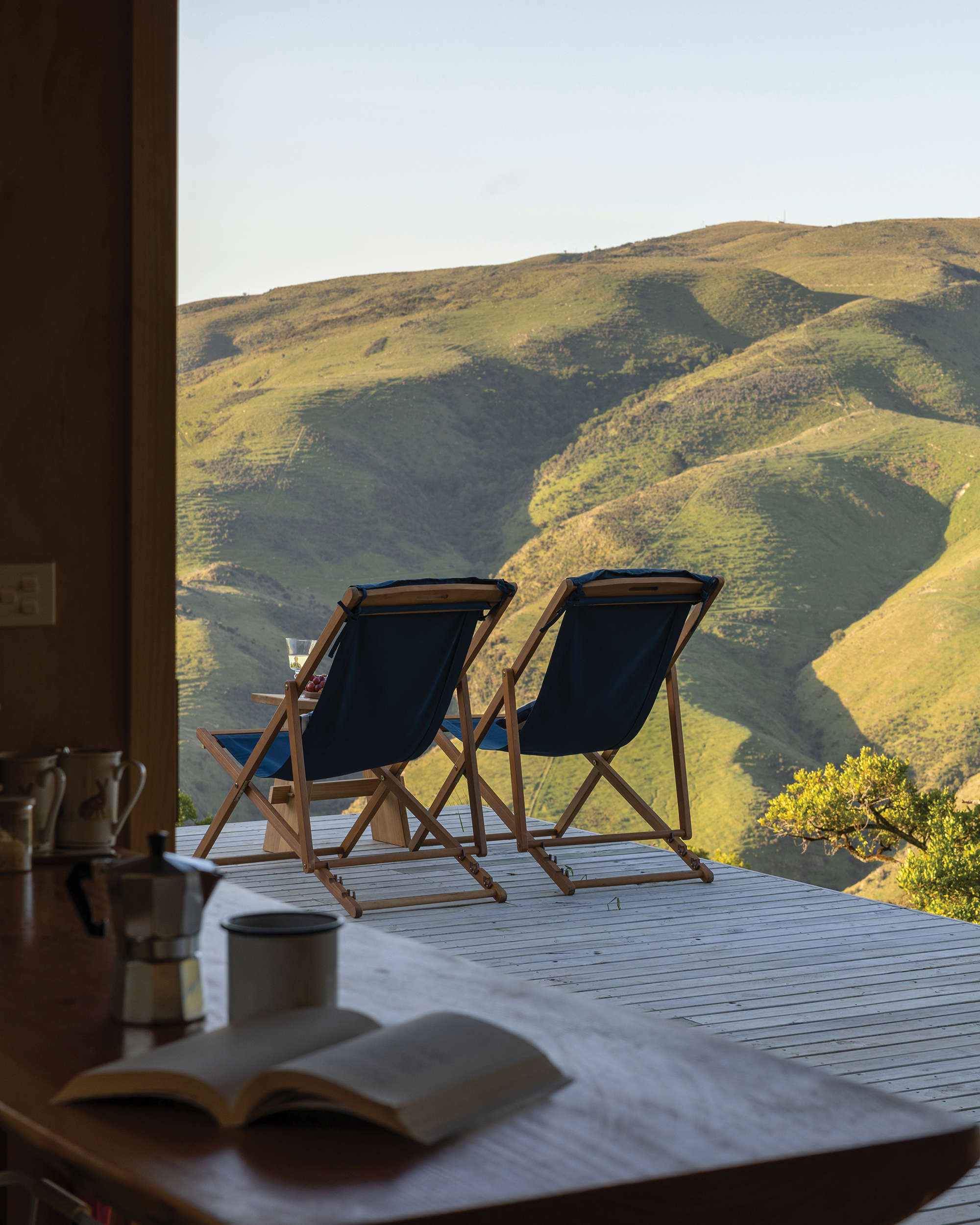
Perched on a hill on the Kay family farm, the Waitomo Woolshed is a striking building with windows on three sides and a deck overlooking farmland and native bush. Host Livi Kay, 31, says that, even two years later, she still remembers the bare paddock that once stood there. "When we started making plans for the Woolshed, I would ride my horse up most days and try to envision it," she says. "I’d come up at all different times of day, just to see how the light changed and plan how to make the most of it. It’s been pretty surreal to see that vision come to life. The silver Zincalume reminded us of the old woolshed, so we decided to go with that look as a nod to the farm’s background."
"Livi grew up in Taranaki and on Waiheke Island, before moving to Tāmaki Makaurau Auckland. She met her now-husband, Ollie, just before the Covid pandemic, and when he invited her tohis family farm in Waitomo to wait out the lockdown, she didn’t hesitate. "Ollie’s so humble and had really downplayed it, almost apologising for how slow it would be compared to what I was used to," she laughs. "As soon as I arrived, I said, 'What are you talking about? This place is incredible.’” After twelve years in the city, Livi understood immediately what the farm could offer someone who needed an escape. "It felt like a sanctuary, and when friends and family came to visit they felt the same way."
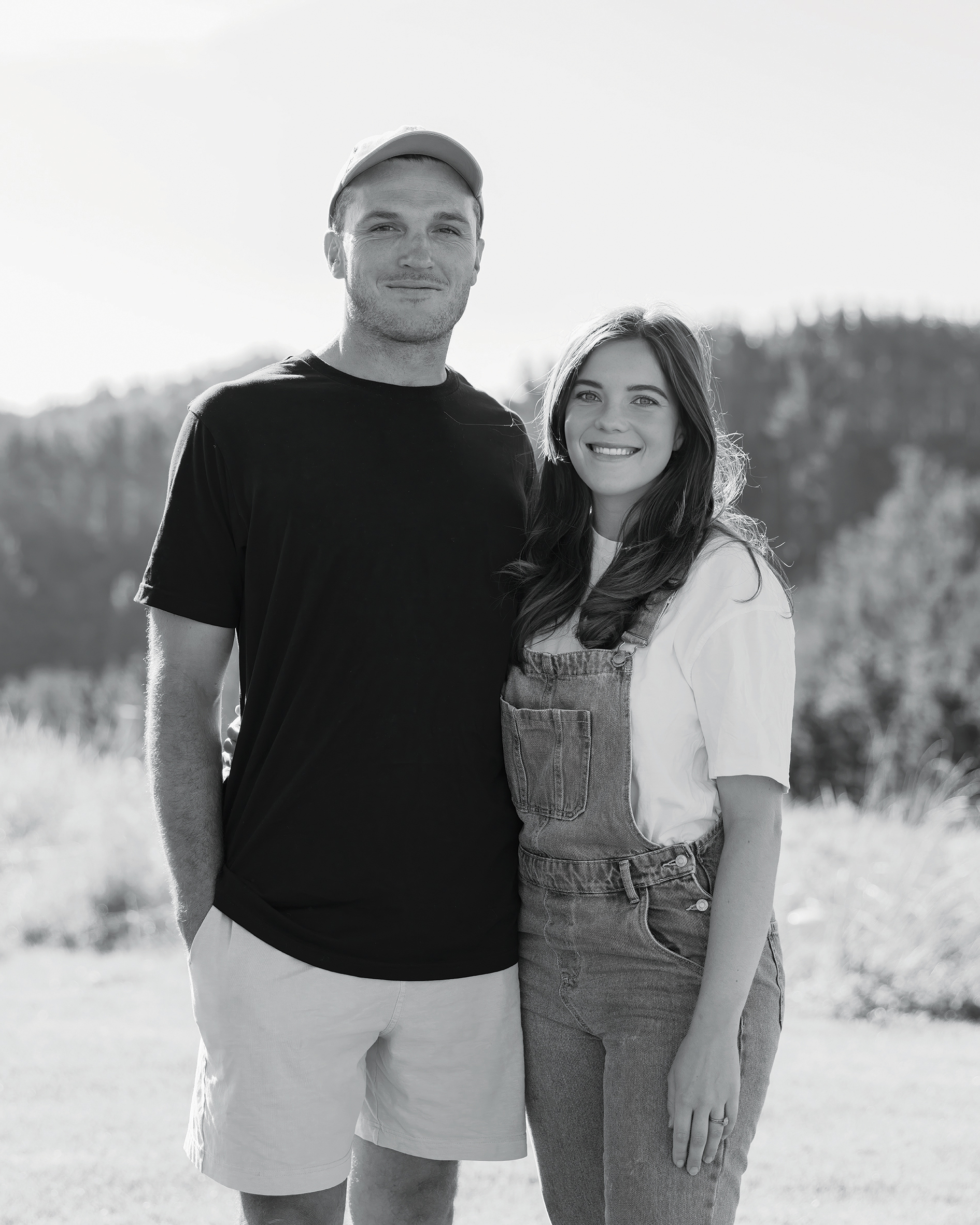
This realisation, alongside the young couple’s plans to start a family, led to the creation of the Waitomo Woolshed – a venture they hoped would allow Livi to stay closer to the farm for work. “In that sense it has worked out well, but it has been quite humbling to realise how naïve I was,” Livi says as she describes preparing the Woolshed for guests with two-year-old Milo in tow. “I can still mow the lawns with him in the backpack, but he’s definitely not overly helpful when it comes to cleaning.
”Ollie’s family have farmed at Waitomo for three generations – with Milo the fourth generation now on the farm. Livi is quick to credit her in-laws, Chris and Louise, for the support that made the Woolshed possible. “We absolutely couldn’t have done it without them, and not just because it’s on their farm,” she says. “They were massively supportive throughout the whole process, especially the set-up – they were out there digging and helping with the landscaping. And I was hugely inspired by Louise’s incredible garden and antiques. A lot of the beautiful knickknacks in the Woolshed are things I’ve robbed from her house. And we were able to incorporate really cool timber from Ollie’s grandfather’s farm – swamp kauri that is hundreds of years old."
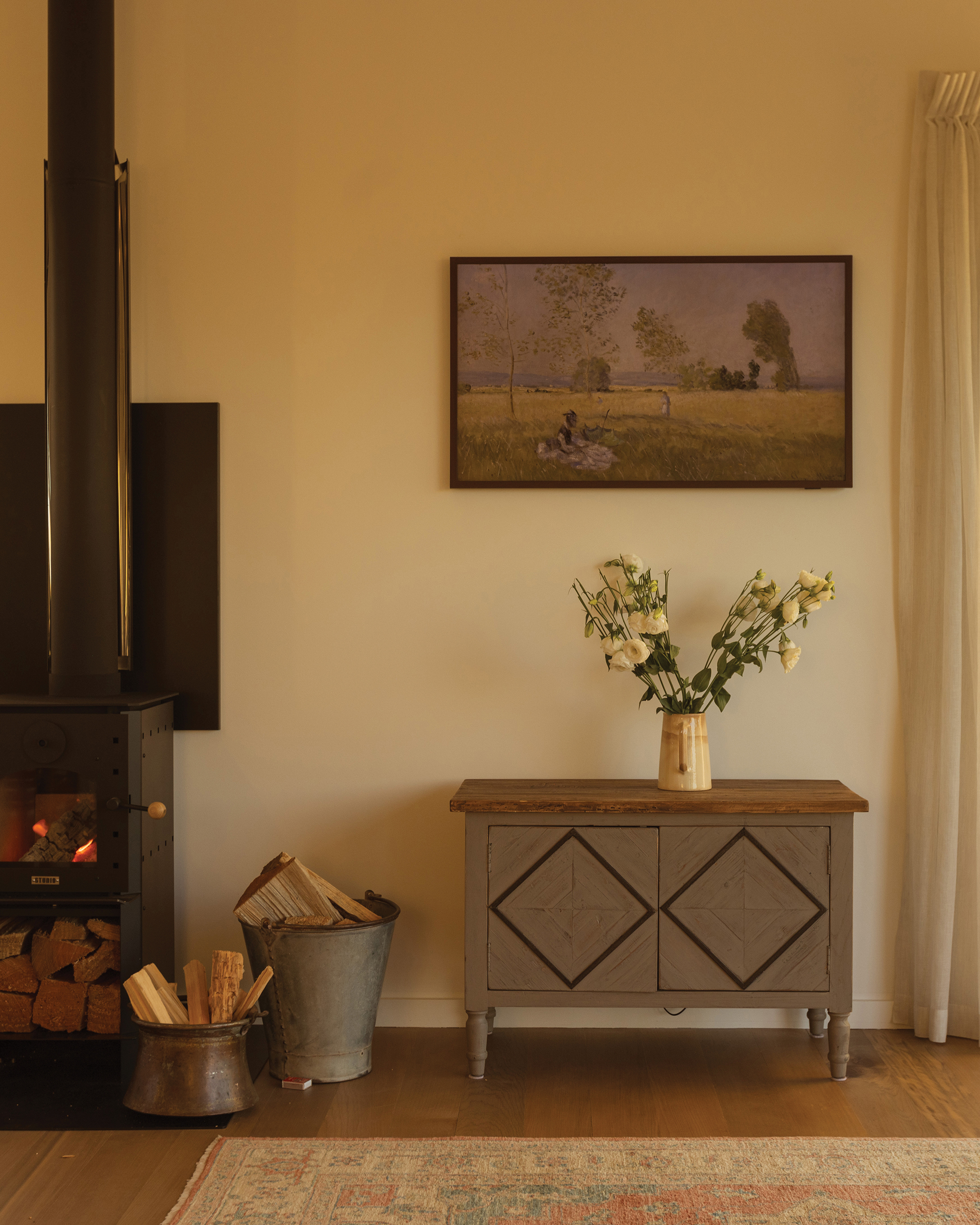
Above. “We wanted people to really feel like they were sitting in the midst of the farm, while having all the comforts of boutique accommodation. The outdoor bath and fireplace were non-negotiables to create that luxury camping experience."
Find this story in our Takurua Winter 2026 Edition.
"Livi’s own mother was also an influence. "She always had a great eye for things, and gave us a magical childhood, encouraging us to create our own spaces in the garden and creating such a beautiful home. We had this mint-coloured wooden cabinetry in our kitchen growing up, and that’s what inspired the pistachio-coloured kitchen in the Woolshed.
"The build of the Woolshed coincided with a challenging period for Livi – losing her father partway through construction, and then finding out she was pregnant with her son Milo after two years of infertility. "There were times when I just wanted to bury my head in the sand, but we had contractors there every day, and we just had to keep going," she says. "It showed me how resilient we could be, and how well we work together."
"Livi’s vision was to create a space that could be whatever guests needed it to be. Some visitors use the Woolshed as a base from which to explore the area; others simply want to sit on the deck and go nowhere. Either way, on arrival, guests find fresh-baked bread and farm eggs on the bench, as well as other little welcoming touches. "I want people to walk in and know that everything has been thought about,” she says. "It can be hard work, but I know that a lot of our guests have been looking forward to their stays for months. Every little detail makes a difference."
The Waitomo Woolshed
Tumutumu Road, Waitomo
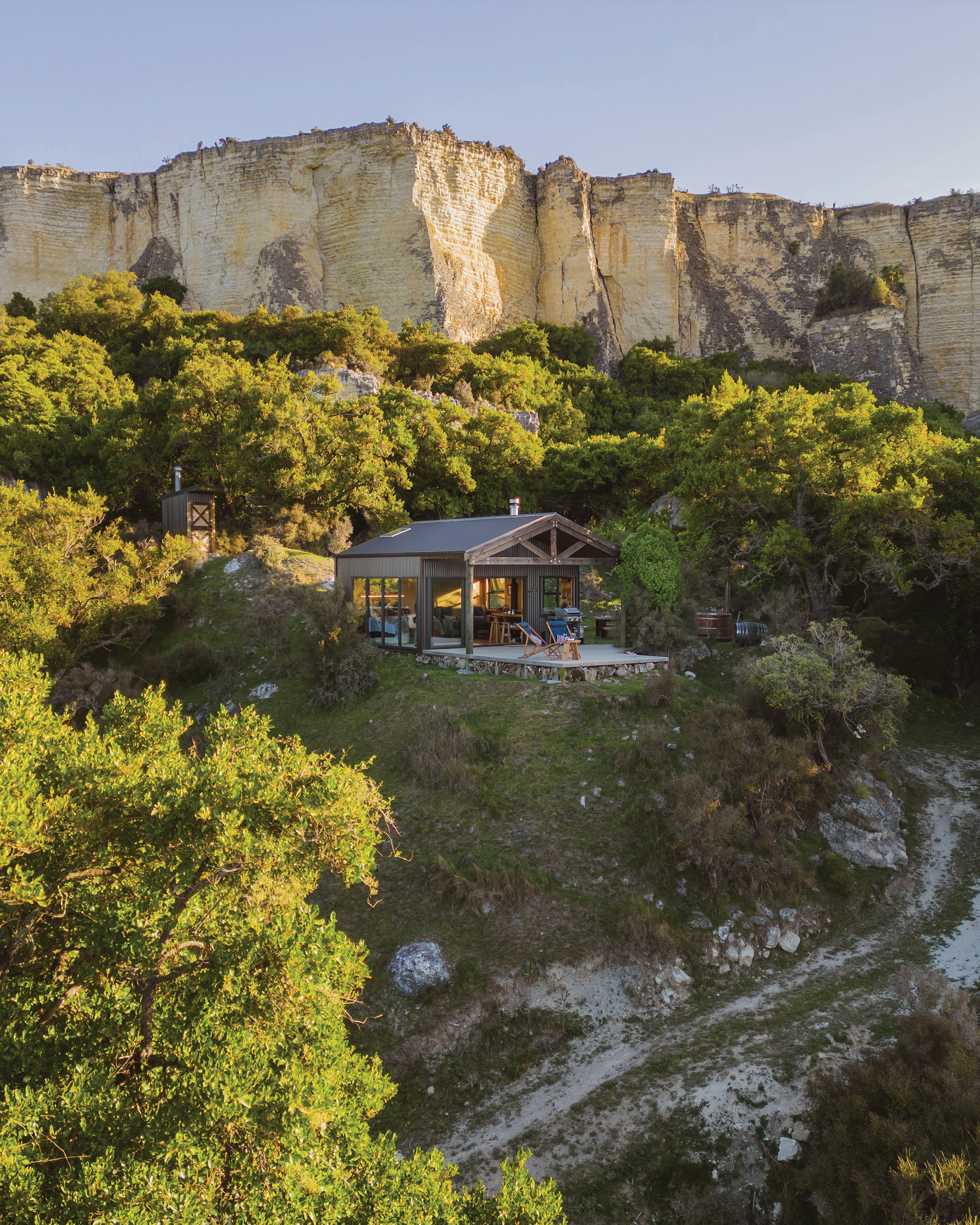
Tucked amid native bush just twenty minutes from Te Tihi-o-Maru Timaru is Parimānui Hut – a simple but snug retreat with vast glass doors, an expansive deck and views that host Sara Rowley, 52, has loved her entire life. She is the fifth generation of her family to farm this land, and the decision to share it with others has only deepened her connection to it. "We need reminding of how lucky we are, and I love seeing this place through other people’s eyes,” she says. “If we can give them just a small piece of what it’s like to live here, hopefully they can take that back into their everyday life."
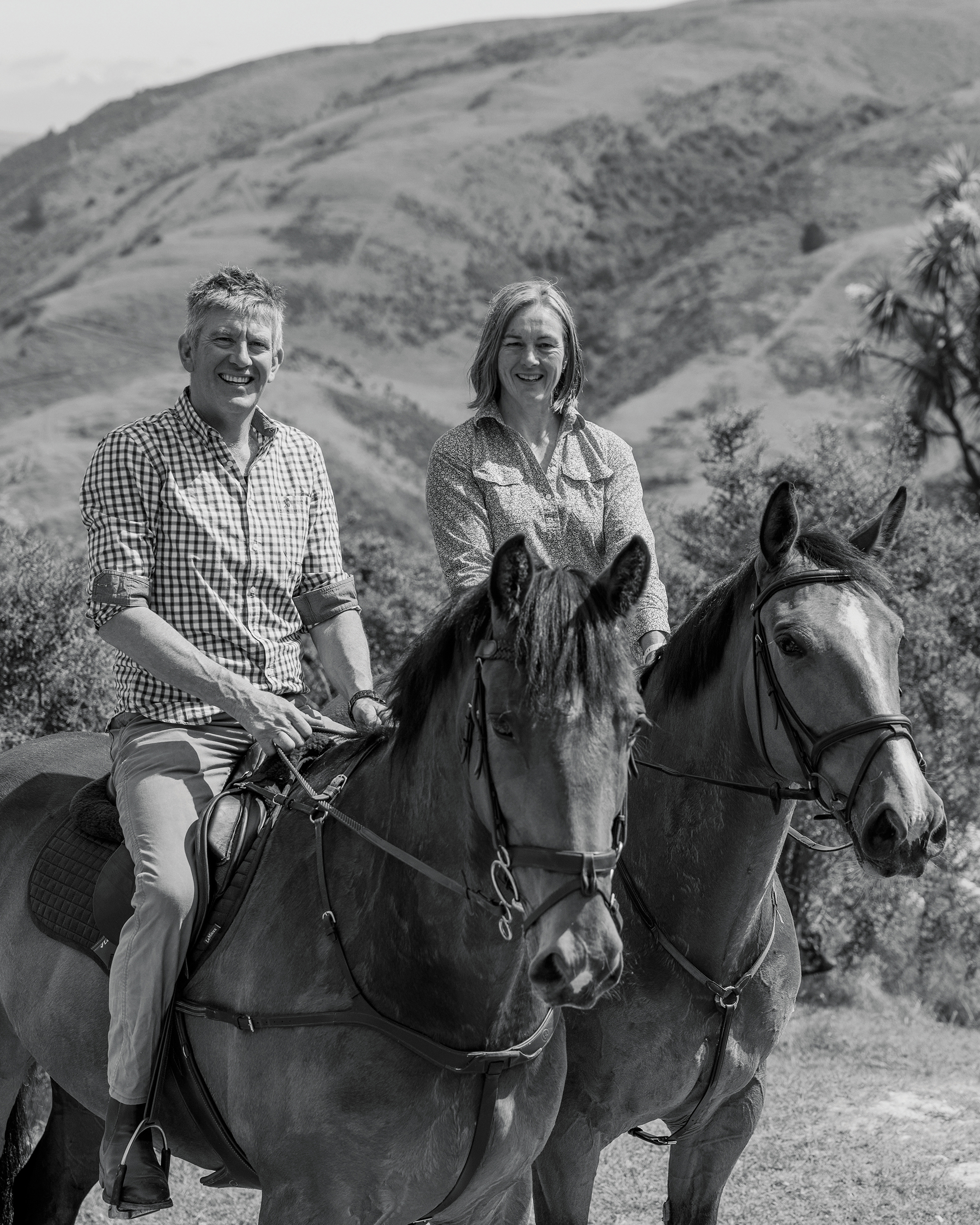
Sara literally married the boy next door – her neighbour Nick. "It’s not as bad as it sounds," she laughs, "we didn’t meet until university." The two of them farmed his family property until the chance came to buy her own family’s farm. "My brother was farming in partnership with my parents, and when he wanted to move on, he really wanted to keep it in the family," she says. "It was an easy yes for me, and even though it meant selling Nick’s family farm to do it, we both recognised how special this place is."
"It was their children who inadvertently identified the perfect spot for Parimānui Hut – a favourite paddock they claimed for camping, dragging up an old long drop toilet and sleeping out there in swags. "They were a lot older by the time we decided we wanted to build the Hut, but I still had to check that we could use their campsite – and they were fine, as long as I promised to book it out for their birthdays each year!"
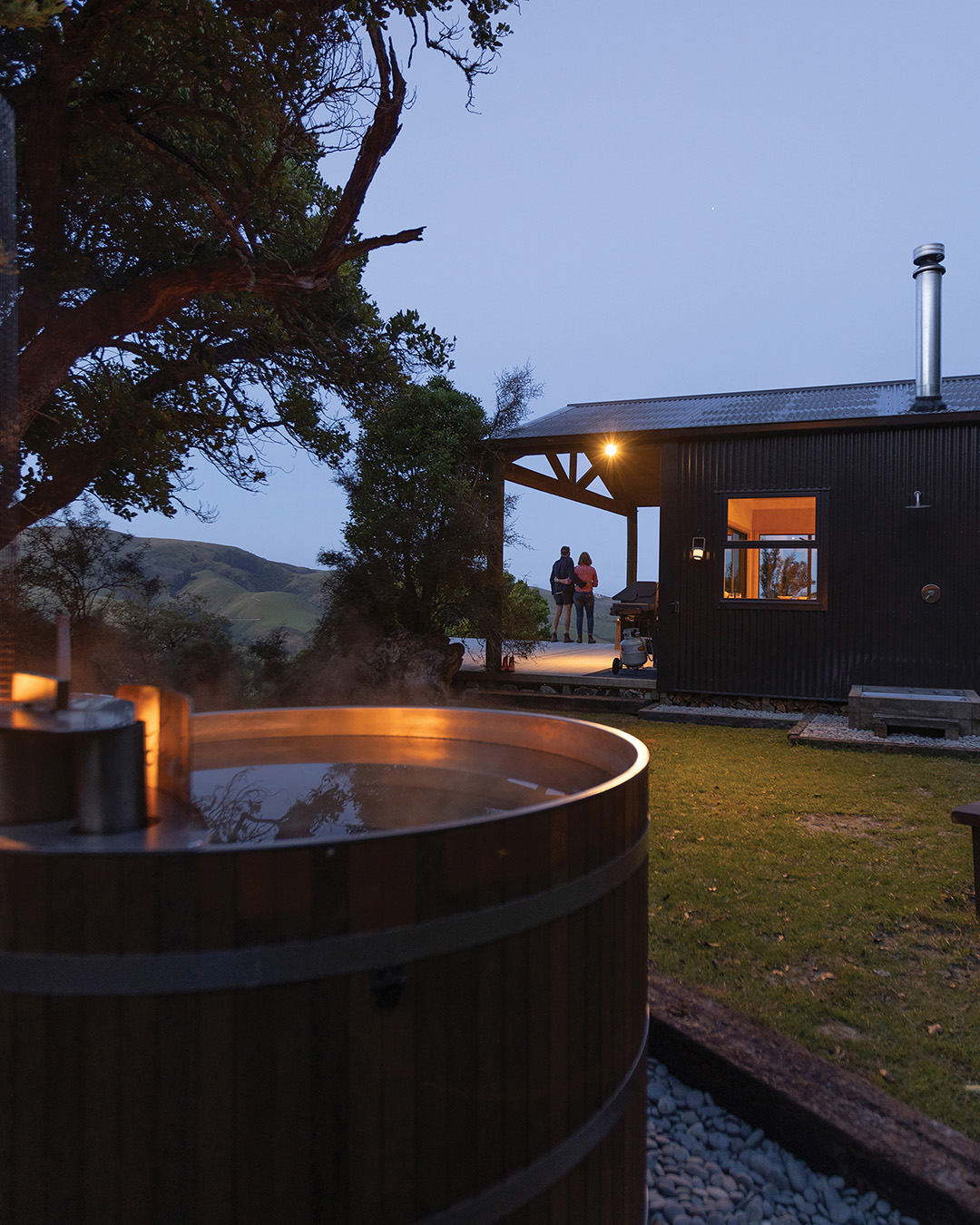
Named for the massive white limestone cliffs – parimānui in te reo Māori – that define the property’s dramatic skyline, the Hut itself is deliberately simple with corrugated cladding and Oregon timber interiors inspired by New Zealand’s backcountry huts. A sense of indulgence comes in the details – woollen bean bags, hammocks to relax in, the wood-fired hot tub, and the option to have your stay fully catered by Sara. "Our theory is that we’ve created the space, and it’s up to our guests to create their own memories."
"In practice, that means reading each guest carefully. The Hut is only accessible via a four-wheel-drive track deep into the farm, so every guest gets a personal welcome. "If it’s a local couple who are here because they want to get away from the world, I leave them to it and trust that we’ve created a space where they can find peace and tranquillity," she says. "A lot of our international visitors want to experience more of a farmstay, and that’s when I offer one of our add-ons like a farm tour or a picnic down at the river." Other touches include fresh milk from the dairy farm down the road, handwritten notes for guests and fresh-picked herbs and flowers from the garden.
What makes it all possible is that Parimānui Hut is truly a joint effort, with three generations of Sara’s family playing apart. Nick and their adult sons Hamish and Ben help with site development and maintenance, while their daughter Milly comes home regularly to help develop walks and work on getting the word out. This year, Hamish’s girlfriend added horse trekking to their offerings. And then there are Sara’s parents, both in their eighties, who she calls her secret weapons. "Dad takes all the firewood out to the hut, cleans and lights the hot tub before each guest arrives, and welcomes guests if we’re away. Mum does all the ironing and makes all sorts of sewing creations for the Hut," she says. "Everyone does their bit; it’s a family affair.
Their guests may come from all over, but some of the best feedback was from those closest. "The neighbours who own the river boundary came to celebrate a special anniversary recently, and they said they felt like they were hundreds of miles from home. Five minutes up the road, and they felt that. And the next morning they got back in the hot tub with the celebration cake and a bottle of bubbles before they had to drive the buggy back down the hill," says Sara.
Parimānui Hut
177 Pareora Gorge Road, Maungatī.
To book a rural retreat, choose from Canopy Camping Escapes’ 230+ escapes. Or, if you’ve got a beautiful, private piece of land and would like to become a host, see canopycamping.co.nz.
Find this story in our Takurua Winter Edition 2026.
If you enjoyed this story, please share with someone else.
This story appeared in the Takurua Winter Edition 2026 of Shepherdess.
Get your hands on a copy.
Related Stories
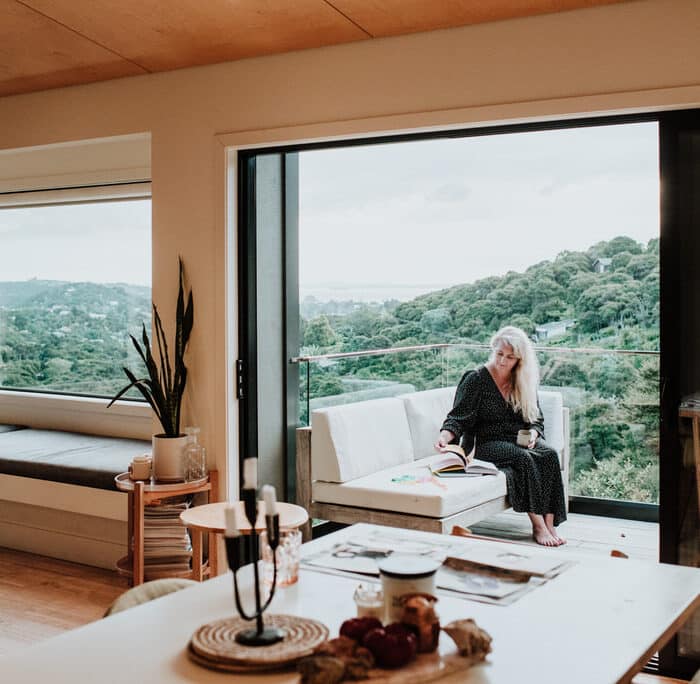
Living with a heavy heart: The children left behind when parents die early
Losing a parent is hard, but doing so when young is particularly difficult – in many ways, it’s like a full stop marking the end of carefree childhood.
Going South – Te Anau
At the highest point on Cathedral Peaks Station, Cabot Lodge presents itself like a gem.
Going South – Tawanui
Your first glimpse of Mohua Park’s four studio cottages blending into a bold stand of native bush will have you putting on the brakes.