


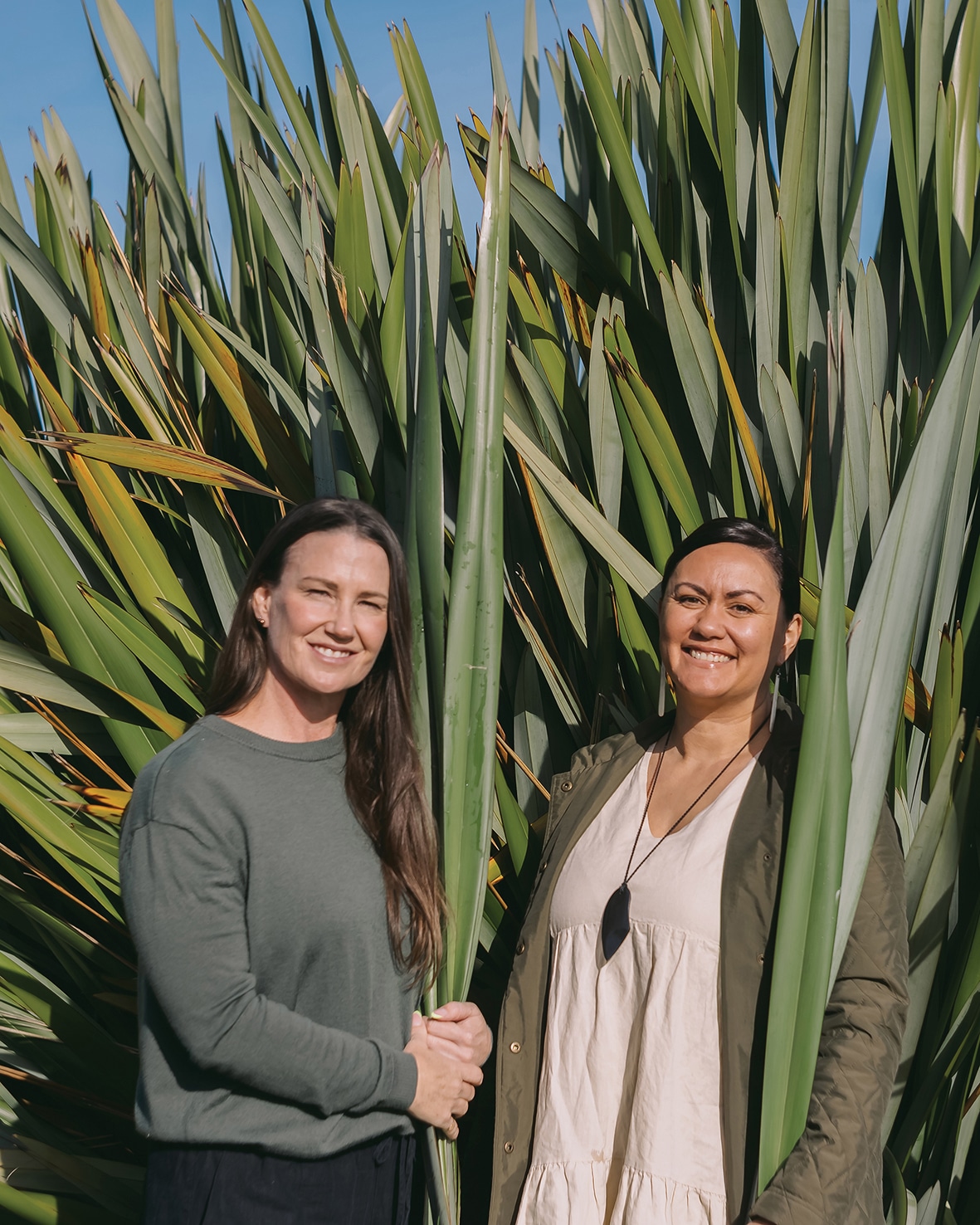
Abbey: Weaving is deeply personal to me, a way to blend together two parts of my identity: my whakapapa and my creativity. Growing up, I didn’t know that I was Māori. I was always naturally drawn to te ao Māori – most of my closest friends were Māori and I always felt an affinity with the culture. It was around the end of high school that I found out I actually had Māori heritage, and it made total sense of everything.
I’ve always been into art, and when I was looking for a career change in my early thirties and stepping into a more creative space, it felt natural to use that arena to explore my whakapapa. When I found out about the raranga course offered at Omaka Marae, I signed up. It was like a door that opened up for me, to have access to a world that I hadn’t known how to become part of, even though I knew I technically belonged.
I’ve always loved textures and natural fibres, and through raranga I’ve found a grounding that I really needed in my life – not just to my culture, but to the earth itself, through the harakeke. I find a lot of solace in the process, immersing myself in weaving and taking a break from the flurry of life.
When the team at Garden Marlborough asked me if I’d consider doing a weaving workshop as part of this year’s event, I said I’d only do it if Carleen could do it with me. I’ve known her for such a long time – we went to high school together, and have both been learning raranga over the past few years – and I just knew immediately that she was the person I would want to do this with.
This will be our first time sharing our knowledge of raranga with others, and we don’t see ourselves as teachers so much as intermediaries. Speaking for myself, I’ve gained such beautiful, amazing things from everything I have learned so far, and I would like to facilitate the opportunity for others to begin that journey too. That’s why we’ve called the workshop “Kua pihia te rito – The rito has begun to grow.” It’s about planting a seed. The hope is that everyone leaves with a finished piece, and that they go away feeling that same love and connection that we do – whether they keep that item as a memory of their time in the wānanga, or whether they decide they want to find ways to explore it further.
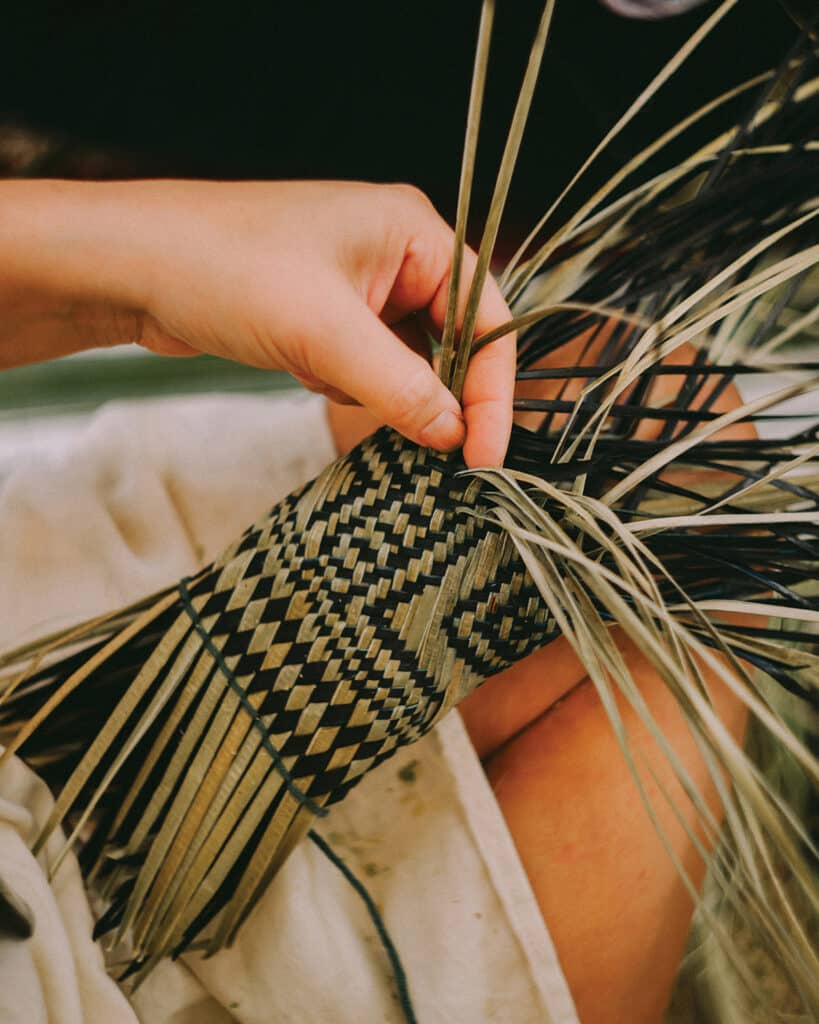
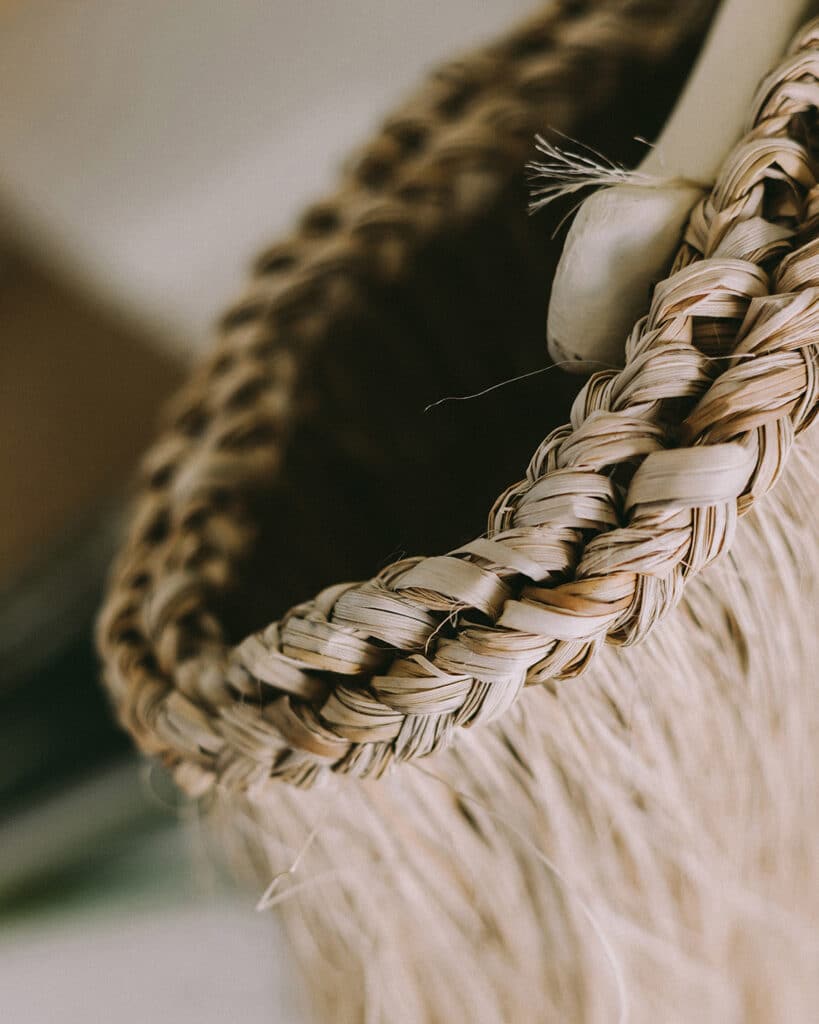
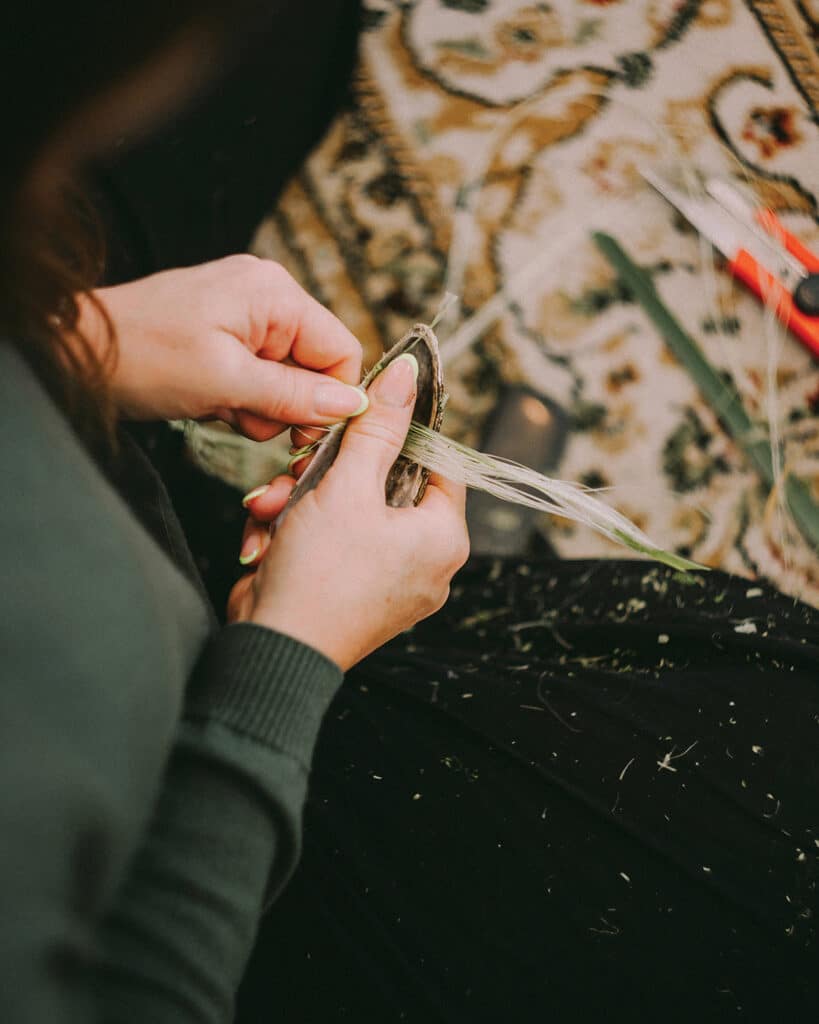
Carleen: Raranga came into my life at a very unexpected time. I was at a Māori Women’s Welfare League meeting when Nanny Marg – Margaret Bond – brought out some enrolment forms to Kāwai Raupapa with Te Whare Wānaga o Aotearoa. My dad had just died and I was absolutely heartbroken. I didn’t think it was the right time, but trusted her when she said, “No, you’ll be right.”
When I picked up the harakeke during our first wānanga, I felt a knowing in my soul. I resonated with raranga immediately – there was a connection that I can’t explain. The wānanga were a very healing space to be in whilst being in the midst of the grieving process. I had these ten wānanga across the year where I could step away from it all and just weave.
I’ve been surrounded by te ao Māori my whole life. I grew up in the eighties and nineties during the kōhanga and kura kaupapa movement, and was fortunate to go to one of the first bilingual classes in Blenheim, at Whitney Street School. During this time, in 1985, Omaka Marae was built, based on a dream that has become a reality – it really is the heart of our hapori. I’m so grateful to be a part of Omaka Marae and have my children grow up there too.
I’m a speech and language therapist, and heavily involved in the Māori Women’s Welfare League, which is all about building the capability and capacity of others. Raranga is like being in the kitchen – I love cooking, and preparing food, but I’m always learning. I think that’s how I see the wānanga – it’s like we are just setting the table, knowing that whoever attends will bring their own wairua to it as well. It’s lovely to just open up that door and invite them in to join us.
Glossary. Hapori, community. Harakeke, flax. Kai, food. Kōhanga, nursery. Kōrero, to talk. Kura kaupapa, Māori immersion school. Marae, sacred meeting place. Raranga, to weave, plait. Rito, new centre shoot of the flax plant. Te ao Māori, Māori worldview. Wairua, spirit. Wānanga, deep discussion, sharing of knowledge. Whakapapa, genealogy.
Abbey and Carleen are running a traditional Māori flax weaving workshop as part of the thirty-second annual Garden Marlborough event, 6–9 November 2025. Garden Marlborough has supported this story. Celebrate spring with inspiring garden tours, workshops and talks. Book at gardenmarlborough.co.nz.
This story appeared in our Kōanga Spring 2025 Edition.
Related Stories
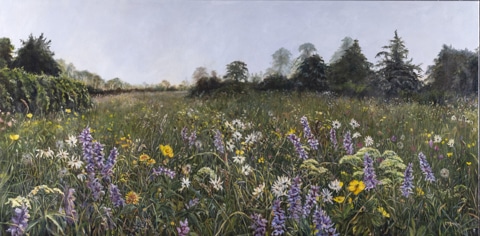
The Gallery, Kōanga Spring Edition 2024
Just Out the Gate, acrylic on canvas, 1.6m x 800cm, 2023, by Pāhiatua artist and physiotherapist Lindy McLachlan.

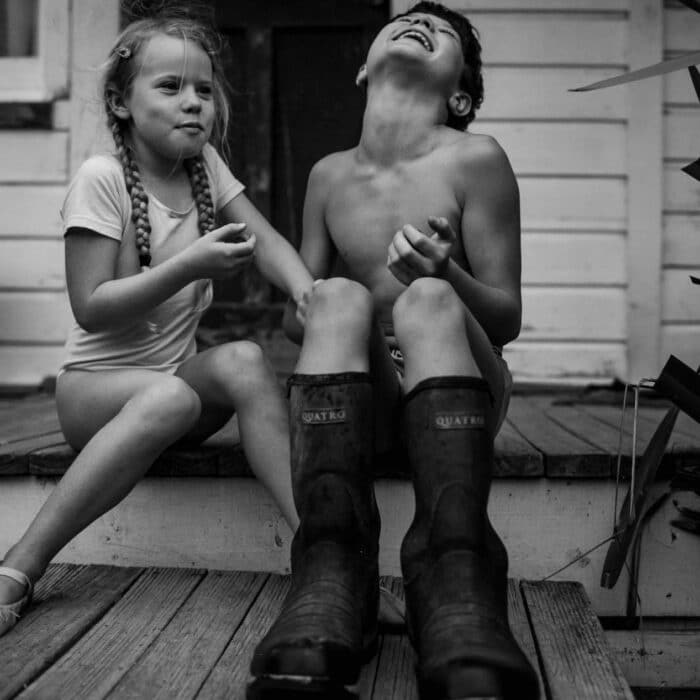
Moments, Takurua Winter 2023
These are my two youngest children, who have always had a close and playful relationship. It looks to me like they are laughing about something Anton has in his hand.
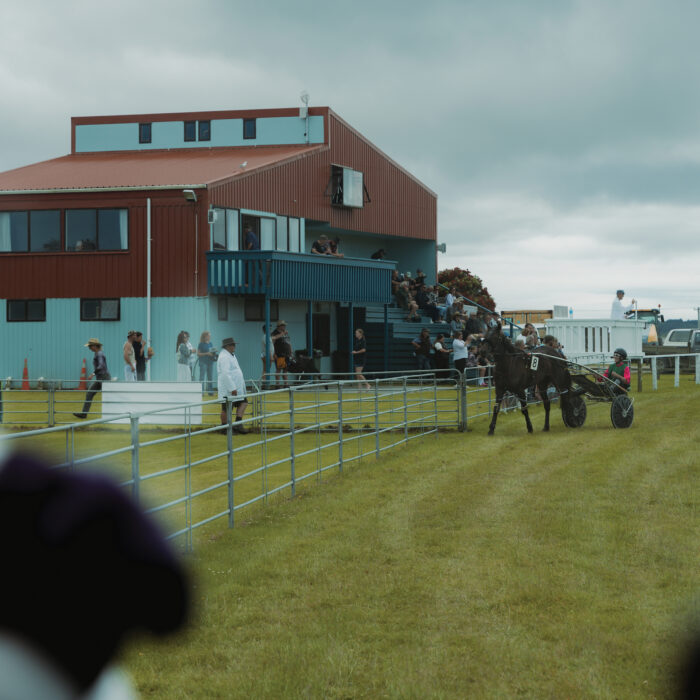
Dusting off the Silks
For over 150 years, the Chatham Islands Jockey Club has been woven into the fabric of island life. For club treasurer, harness driver and trainer Monique Croon (Ngāti Mutunga o
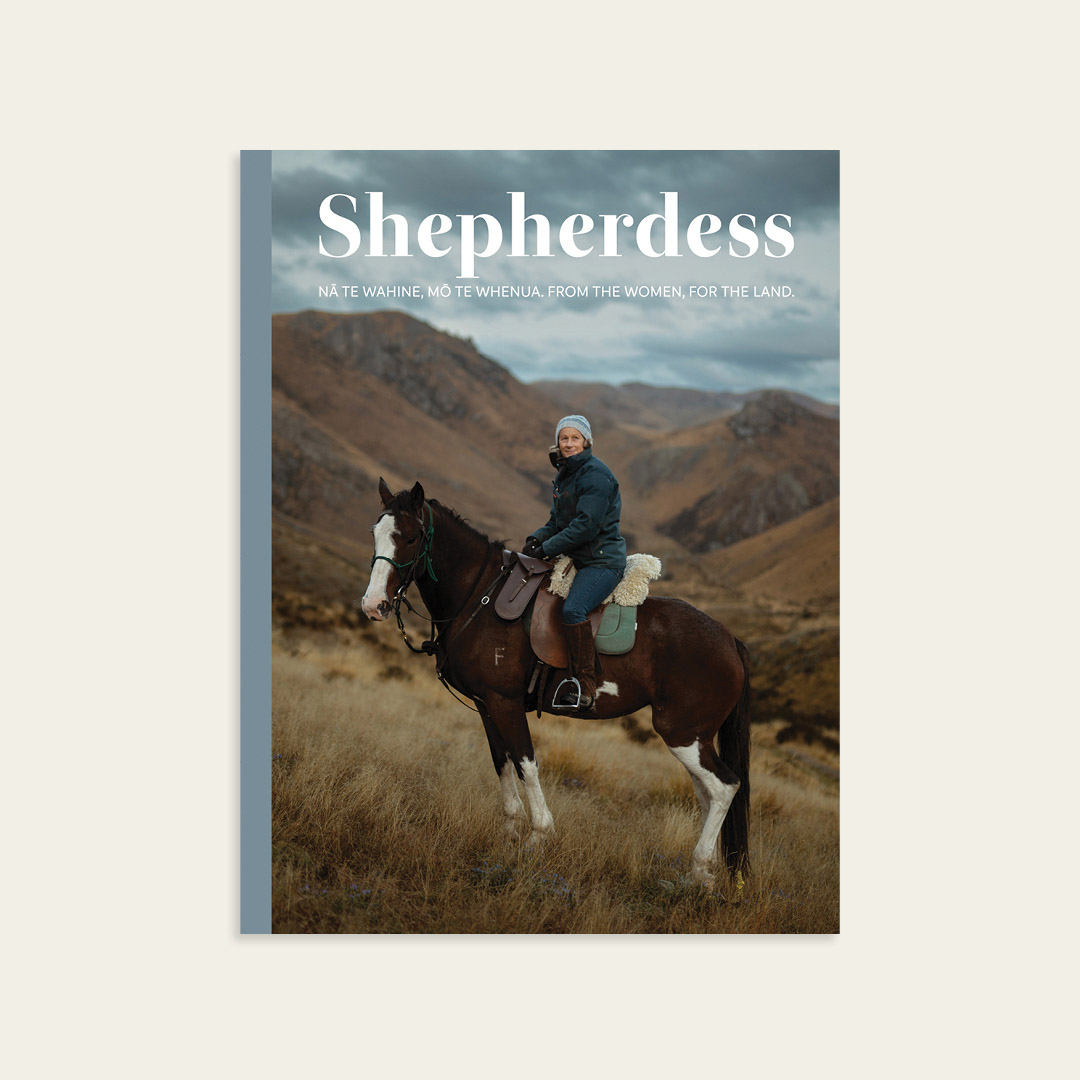
Out Now
Twenty-Sixth Edition
Our beautiful Takurua Winter 2026 Edition is out now.