


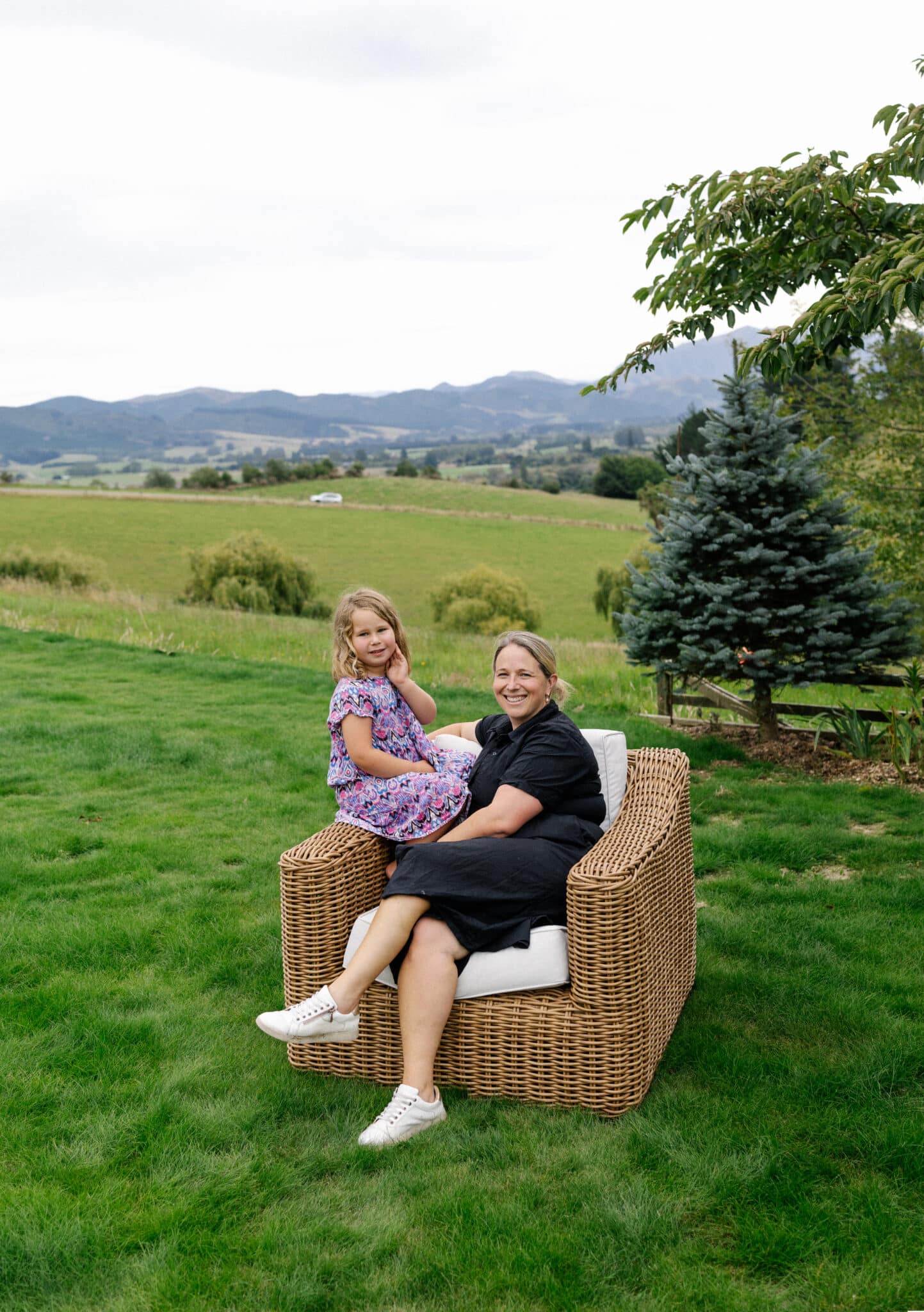
What did you want to do when you grew up? I applied to the Air Force to work in logistics, but the process revealed a condition in my eyes that ruled me out. But what I really wanted to go into was accounting, looking at farm succession and helping families through that process – something I’ve watched, particularly, my father’s side of the family go through. Anything in that sort of logistics space has led me quite nicely into what I do now in terms of analysing things and then unpicking how they all work.
What drew you to your current role? I spent seven years being a rural manager with FMG, on the road and seeing what things go wrong. I joke that I drank a lot of tea during that time. Having a marketing and agribusiness background, being able to take what can be sometimes a boring or technical thing and translate that into something a farmer can digest and apply is probably what really attracted me to my current role.
What types of accidents do you see happen most? It’s probably the more frequent things that happen over and over. You just know that if you’ve got four days of sunshine and a southerly change coming on Friday, farmers are going to be rushing around trying to get their bales done. And that’s the week you’re going to see the tractor roll over. You think, “Oh, gosh, it’s only hay bales, it’s not worth it!” We also did a campaign around lint in dryers starting house fires and I got to be on Seven Sharp – that was pretty cool. People can be like, “Oh, gosh, I have to spend heaps of money and it’s going to take heaps of time,” but risk management can be as simple as cleaning out your lint. It’s actually really small habits, done often, done well.
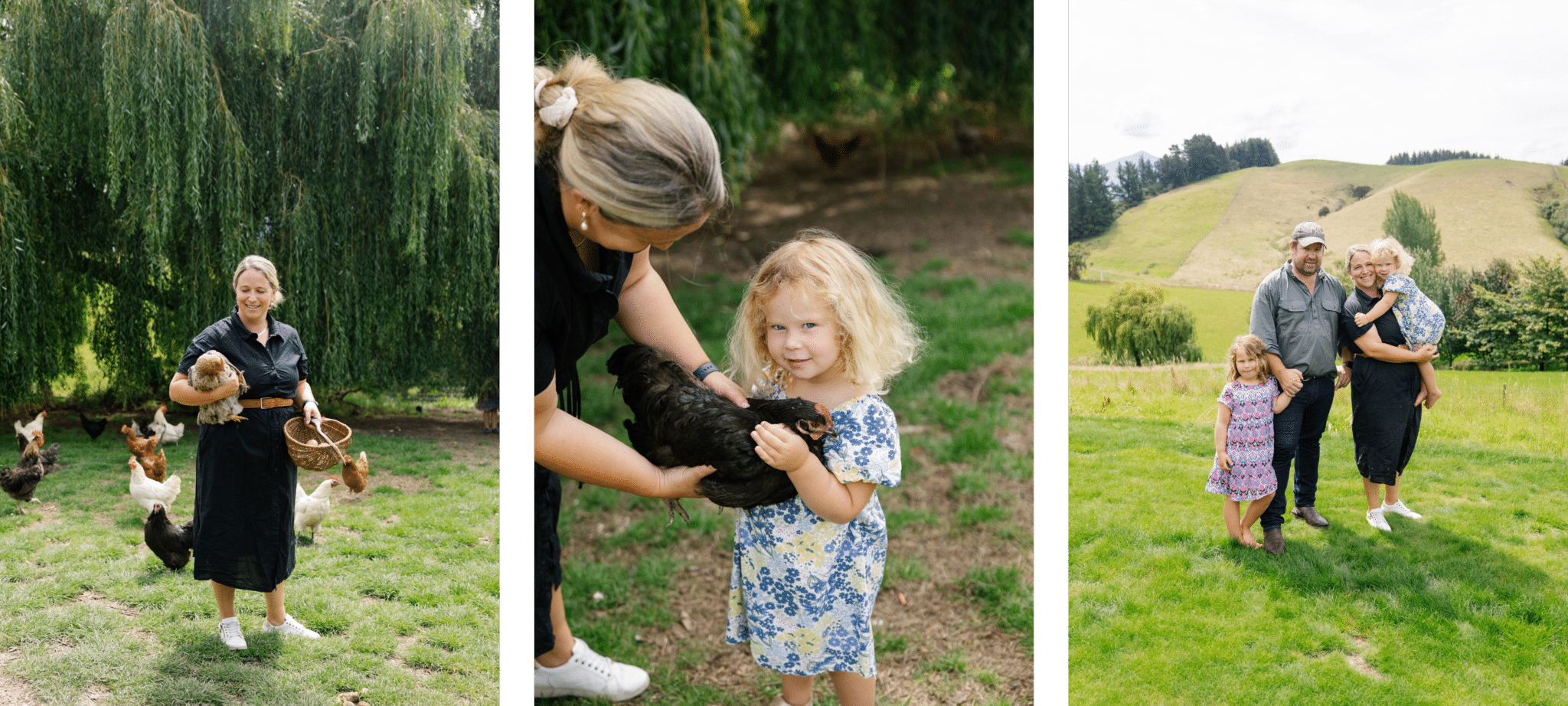
Do you walk the walk at your own home? I try not to be the Grim Reaper. When you look at claims all day long, it’s easy to see danger everywhere. But again, it’s probably those simple things that we do in practice at home. Things like getting into preserving are a good way of being prepared if something happens.
What are some of the challenges in getting people to make changes? When I think about thousands of farmers I’ve talked to, the thing is there’s never enough time in the day. That’s where we need to find a way to relieve some of that pressure – to work smarter, not harder. Times need to change – my grandfather always used to say, “It doesn’t matter if there aren’t enough hours in the day, you just steal some off the night.” In my job, I see why we can’t do that – it doesn’t work. If you live on the edge, eventually you slip off, right?
So how do you manage all your roles without slipping off the edge yourself? You’ve got to be present in what you’re doing at the time. Trying to do ten things at once doesn’t work for me. My husband Dave and I are a real team – parenting is a real split in our house. And, although I do a lot, I probably say no to a lot, too.
But you are still very involved in your community. Geraldine is a really great group of people and very farming-orientated. Dave’s a volunteer firefighter in Peel Forest, which is very handy because whenever I have questions about wildfires I’ve got an expert in the house. And then I’ve been involved with Rural Support Trust South Canterbury for, gosh, more than fifteen years now.
How do you manage running your events business alongside this? I have an amazing business partner, Catherine. Between the two of us we’ve added three children, a global pandemic, a divorce, four house moves, and we’ve sold five farms. We’ve gone through a lot, and I think that’s a real testament to having the right people around you where you’re in a position to support them when they need supporting and then it comes back the other way.
What’s the best part of bringing events to rural places? Provincial New Zealand relies on events coming to town and the economic impact of that. The Hanmer Springs Fete we run in October – to see those farmers get the opportunity to just take a break and have a lovely day out, you know, it’s about connection, isn’t it? We’ve never been more connected, but in so many ways, we’re less connected than we’ve ever been. Also, I love seeing what people make and create. When you see people year on year and their businesses are growing it’s quite cool. I’m always still wearing my insurance hat, though. I make sure they’ve got their stock insured.
This or That?
Farm dog or lap dog
Rural delivery or pop to the shops
Horse or motorbike
Cowboy hat or baseball cap
John Deere or Massey Ferguson
Milking shed or staying in bed
Phone call or text
Beef or lamb
Gumboot tea or barista coffee
Make or buy
Top sheet or no top sheet
River plunge or sea swim
FMG was formed over 120 years ago by farmers for farmers. As a mutual insurer, they are one hundred per cent New Zealand-owned and-operated and here for the good of the country. FMG has supported the production of this story, the first in a series of four sharing the stories of the people behind FMG. For more information, visit fmg.co.nz.
This story featured in our Ngahuru Autumn Edition 2026.
Related Stories
Jane Tylee
This story is the fourth in a series where we share, in their own words, the stories of ten women who call Tararua home.
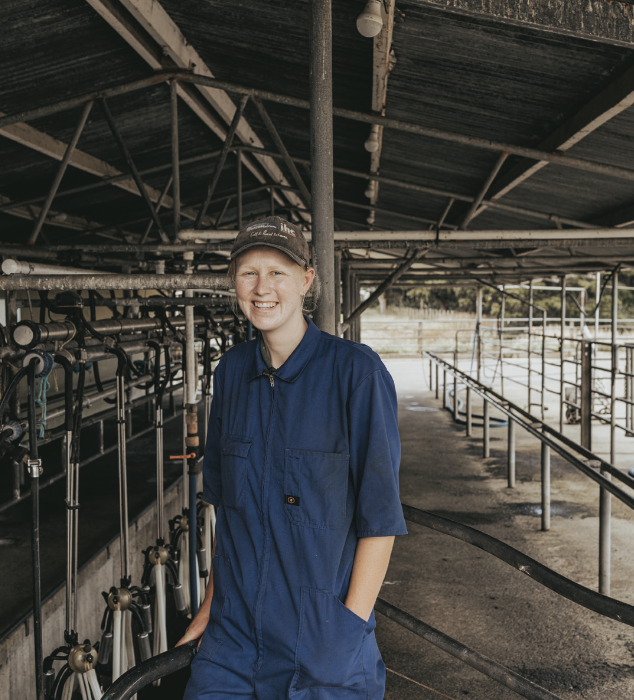
Lucy Verwaayen
This story is the third in a series where we share, in their own words, the stories of ten women who call Tararua home.
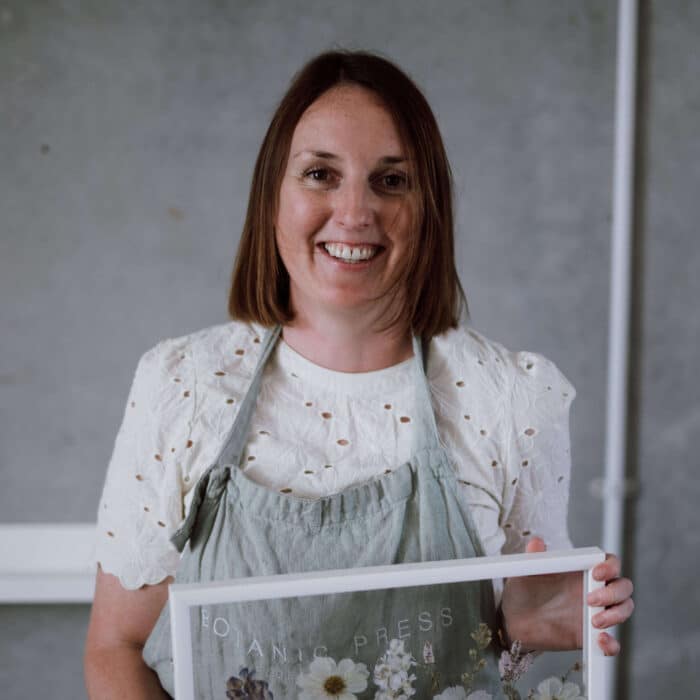
“We put our soul into each creation.”
Emma Hasler, 34, is the founder of Botanic Press, a wedding bouquet preservation service based in Wānaka.
Out Now
Twenty-Sixth Edition
Our beautiful Takurua Winter 2026 Edition is out now.