


21 May 2025
Moments in Wine
Kaiahuwhenua. Grower.
WRITER: As Told To Arpége Taratoa-Rangikura (Ngāi Te Rangi, Ngāti Raukawa, Ngāpuhi, Ngāti Rārua)
photographer: Niki Boon
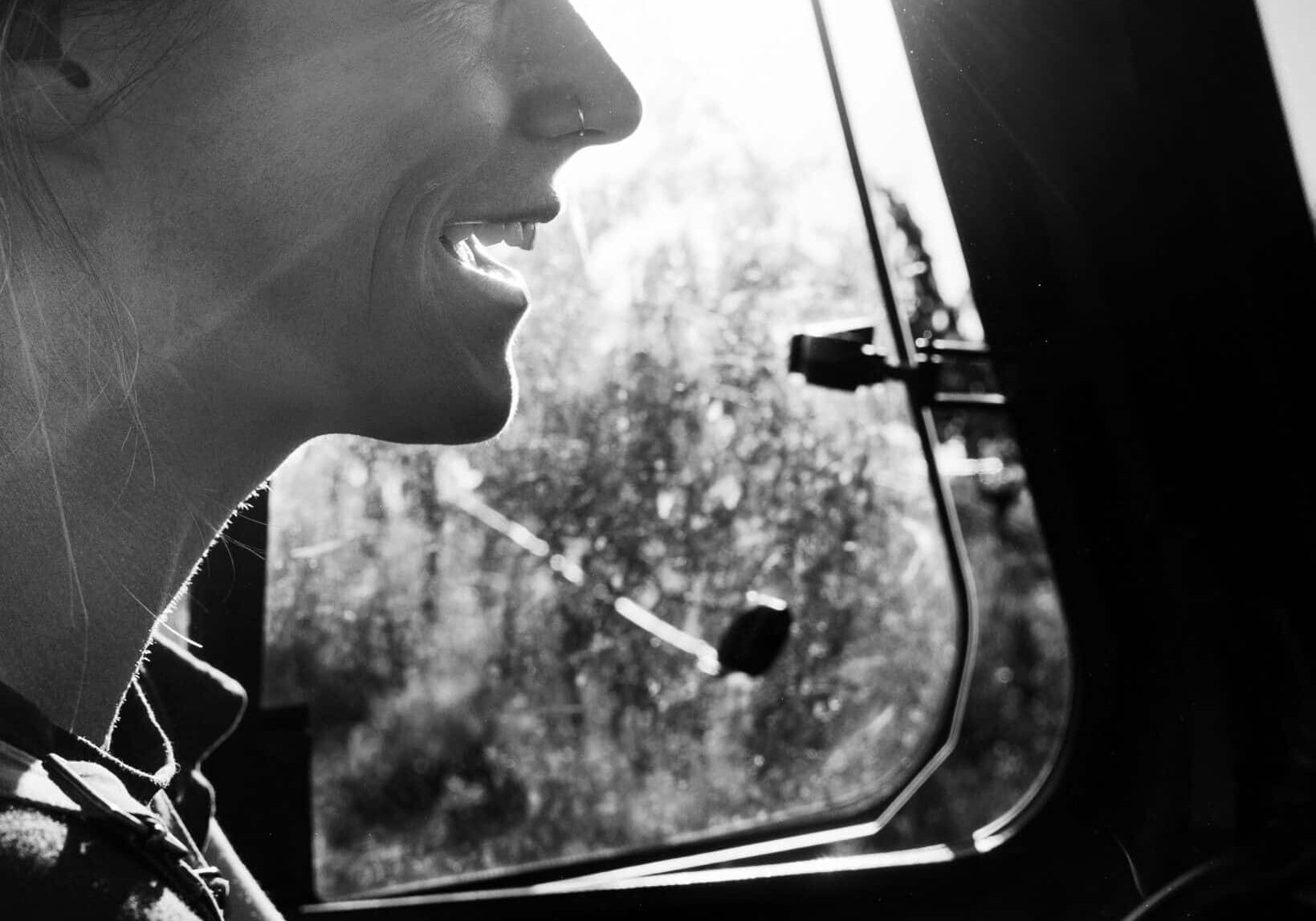
Laura-Beth Feary (Ngāti Kahungunu), 32, known to her friends as Albie, always felt drawn to a career creating something tangible. Navigating the challenges and triumphs of winegrowing, Albie finds joy in crafting wines that reflect not just the land, but the essence of those who share in its creation.
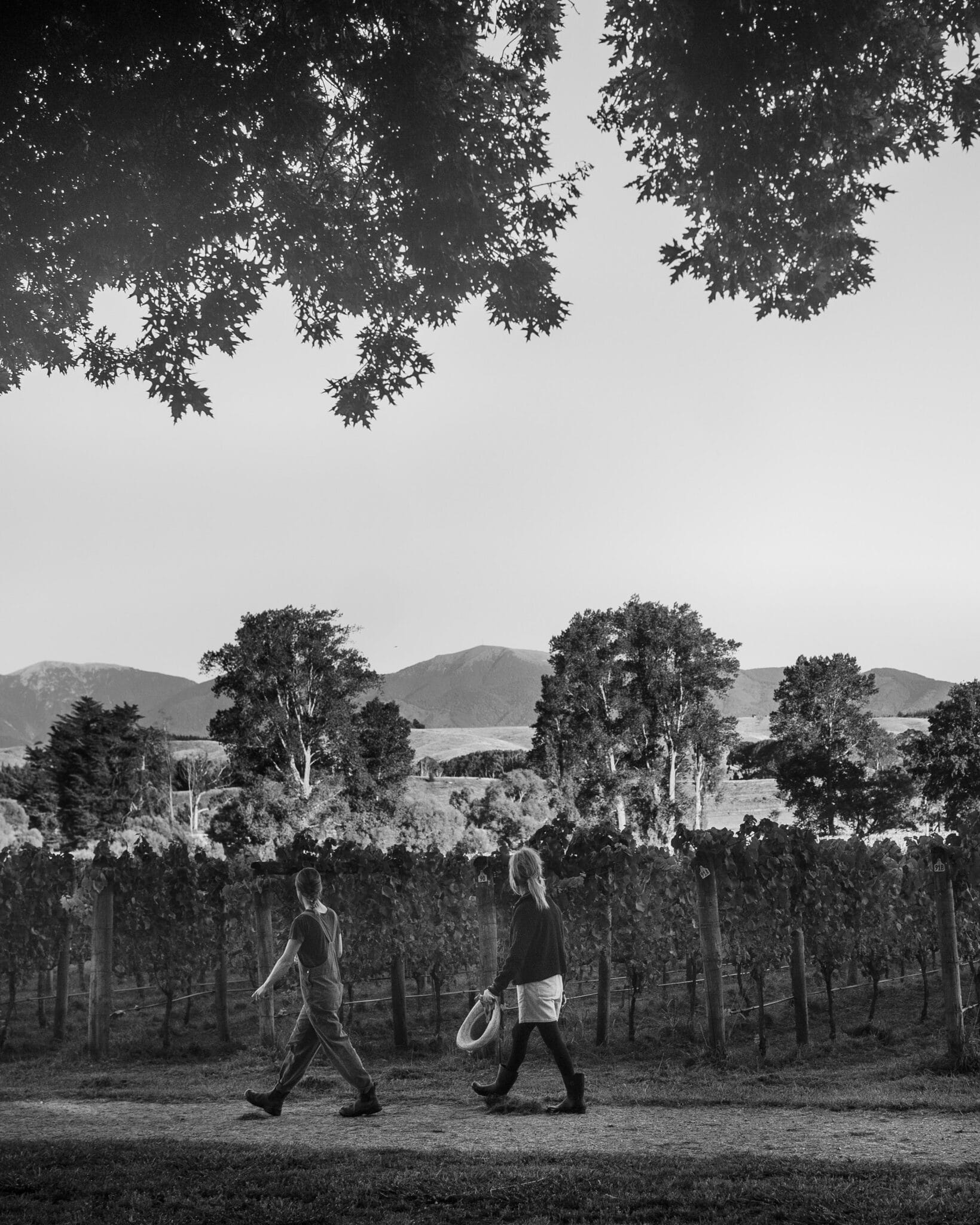
Top image. Albie walks past Neudorf’s red winery, where Pinot is made and put to barrel. “I think what I’ve learned is definitely to be more patient and just take one thing at a time and not think about the big picture too much,” Albie says. Above. “My name is actually Laura-Beth, and my granny still calls me that because her name is Beth, but Albie is my nickname. I’d get called L B, the letters of my name, and people would just think that it was Albie, so it just became a name.”
I always knew that I didn’t want to work in an office. I grew up on a sheep farm in Canterbury so I always thought that farming would be amazing – to be connected to the land and seasons. The thing with sheep though is that you don’t necessarily get to see the end product – they go to the works and then off they go! I’ve always been drawn to being able to make something; the fascination with a bottled-up product has always been there. When I was younger I’d try to make elderflower cordials and stuff like that – it was always really fun to make homemade juice. I didn’t know anything about winegrowing, I didn’t even know it was an industry when I was a teenager, except for, you know, parents drinking wine. I was kind of like, “Oh, okay, New Zealanders actually make this stuff – that’s cool!” I thought it was an amazing thing that you can grow the fruit, make the wine and then down the line you can sell it and drink it… and it’s very connected to the place that you make it, so I thought that was pretty awesome. I was really lucky that Lincoln University was just down the road and there was a wine programme, so it was really nice that it was so easy for me to go study and be close to home, too.

I’ve been working in the wine industry for about eight years consistently, but I had lots of seasons off to travel. I worked on privately owned superyachts as a way to see the world and live on the ocean. Working on boats is cool, because you get to have your friends, workmates and home all in one while travelling. I was in my mid-twenties when I felt the pull to come home; I needed to get back to the land – I wanted a garden, a dog, a partner – to settle down at the ripe old age of twenty-five! I met my partner, Hannah, when I was working in the Wairarapa. I was working for another organic, biodynamic wine producer, so we did a little bit of long distance for a while… and then along came Covid! I was living in this big house on the vineyard with nine other people, so she moved in with me – and we were just so lucky to spend lockdown with all these people of different nationalities, having a big kai together most nights. It was a pretty amazing way to meet, I reckon, just thrown in together with a whole bunch of people!
We’ve been together for five years now, but we moved to Tasman in May 2022 to be closer to family. My mum lives in Riverton with my sister and her husband, and I have a baby niece, too. My dad lives in Oxford where he is still farming, which is a bit of a drive – it does make seeing one another a little tricky, but at least we’re on the same island! Hannah grew up here and her parents, cousins, aunties and uncles are all here, too. Her mum’s parents immigrated here from Holland in the fifties, and we’re really keen to dive into her whakapapa because I’m really keen on understanding where we’re from.
“We fed the girls, which isn’t part of a typical shearing school – but we find a lot of people will disappear to their cars and go on their phones at smoko and lunch. We wanted to bring everyone together during those times instead, and the chat was just non-stop from the very first smoko break!”
I’d like to tap into my roots more, but gently. On my dad’s side, we whakapapa to Ngāti Kahungunu, and my marae is Omāhu. I’ve never been, but I’m really keen to go. Recently I was in Heretaunga at a conference for wine, and I really wanted to go check it out. I remember we were in the town square where there are fourteen beautiful pou for the different marae around here, and I was looking for mine, but it was the only one not there! It had been taken away for restoration, so I took it as a sign that I need to go up there and hang out. I’m really into learning te reo. Hannah and I both really wanted to get more confident with our reo pronunciation and to learn about the iwi and pūrākau of Te Tau Ihu. When we first moved here it was an awesome way to meet people, too. I also wanted to learn the language because it’s the language of my tīpuna so it felt special to connect to them. I’ve done a year of class, and whenever I am with my Māori mates and they kōrero, I’m like, “Fuck, I need to get back to class and practice more.” But I also feel like it’s a lifelong journey that I’m really into, because I feel so lucky to know my whakapapa. It’s kind of amazing being able to connect the dots across time with whakapapa – thinking about where your family have been, and how that influences how you think.
Continue reading the full story in our Ngahuru Autumn 2025 Edition.
If you enjoyed this story, please share with someone else.
This story appeared in the Ngahuru Autumn 2025 Edition of Shepherdess.
Get your hands on a copy.
Related Stories
Hunter, Teacher, Mother, Wahine Toa
When Tui Keenan discovered hunting four years ago, she had an epiphany – she was a wahine toa, and proud to be Māori.
Perimenopause: “The idea that there could be a way to resolve this, or even just a name for it, gave me a huge sense of great relief”
Perimenopause: “The idea that there could be a way to resolve this, or even just a name for it, gave me a huge sense of great relief”
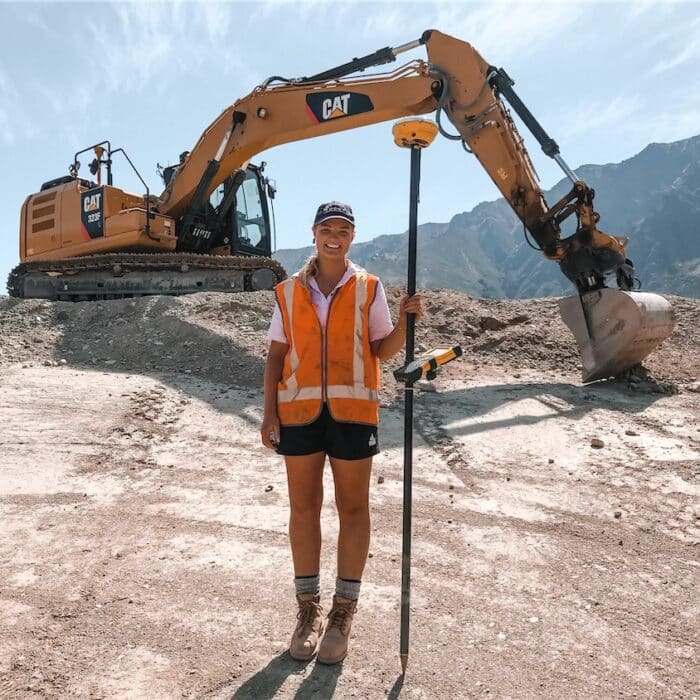
“Once the guys see me operating the machinery, they don’t question it” – a young woman moving mountains for a living
Olivia talks to Shepherdess about how she ended up in the earthmoving industry and the challenges and rewards of working in an almost all-male world.