16 January 2025
A Thirty Year Walk
Kei Te Koraha. Off the Beaten Track.
interview : kristy mcgregor in conversation with kiri elworthy
photographers: sara tansy and tess charles
In this first of a new series of feature interviews for Shepherdess, editor Kristy McGregor chats to Elworthy of the Tora Coastal Walk.
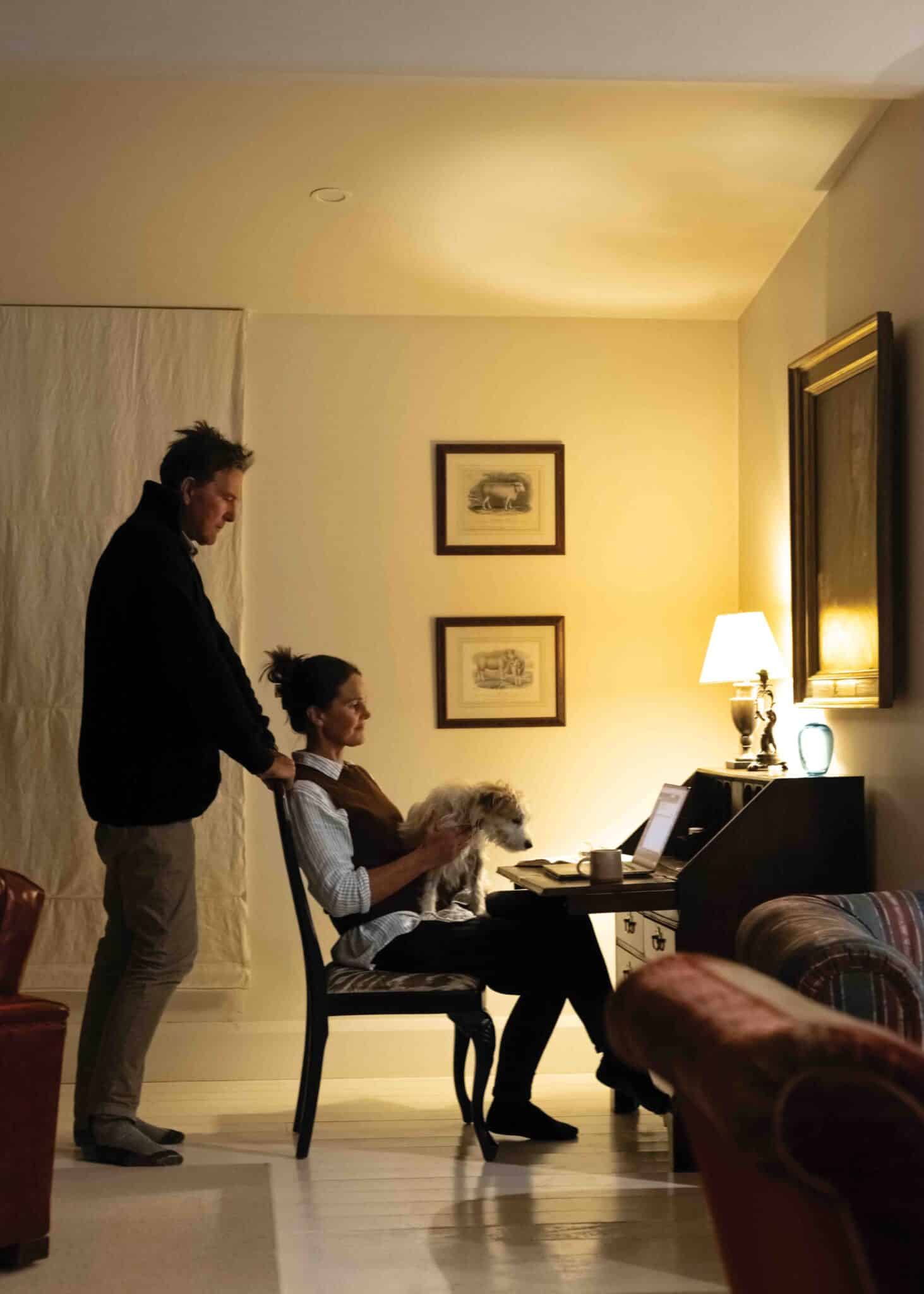
Top Image. Kiri with beloved empty-nest dog, Freddy. “Even if I hadn’t ended up being so involved in the business, I would have done something. I just can’t imagine that I would’ve just had a lovely garden and pottered around. I had a Bachelor of Arts from Victoria University of Wellington with a double major in Art History and English Literature. I then did a postgraduate diploma in museum studies, remotely through Massey University. So one idea that I had was a mobile art gallery, with a van that I could take to farmers’ homes. And of course, these were the days when the farmers actually had a bit of money. I mean, it wouldn’t work now, but back then I think it would’ve actually flown – putting art on someone’s wall so they could see it in the house.” Above. "The business itself, I feel like it almost has a life of its own” says Kiri. "And now I’m thinking ahead to how I want to leave it, because I’m turning 55 next week and I feel like I don’t want to be working at this level for more than another five years. So we are thinking about succession and I want to leave the business in the best possible heart.”
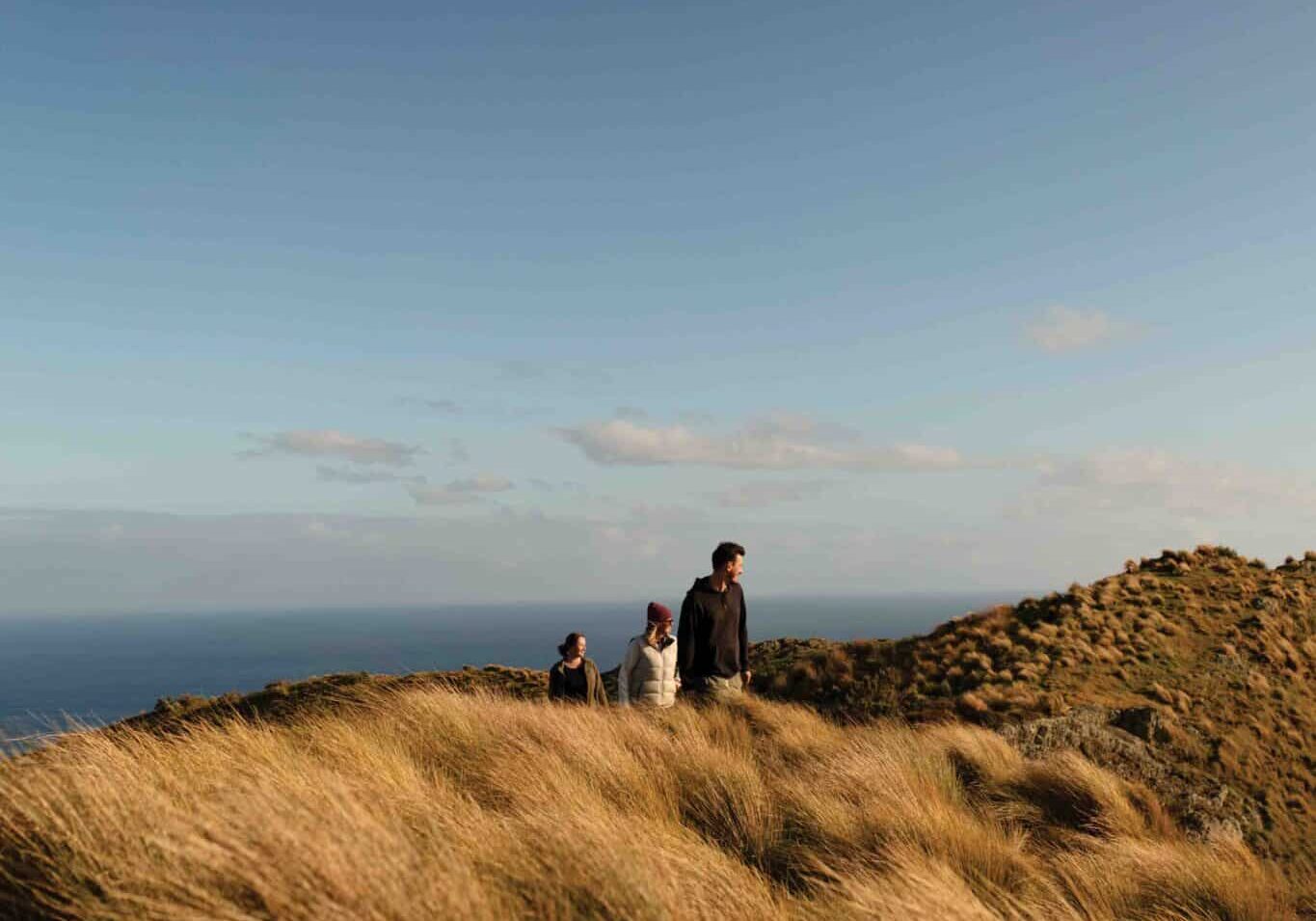
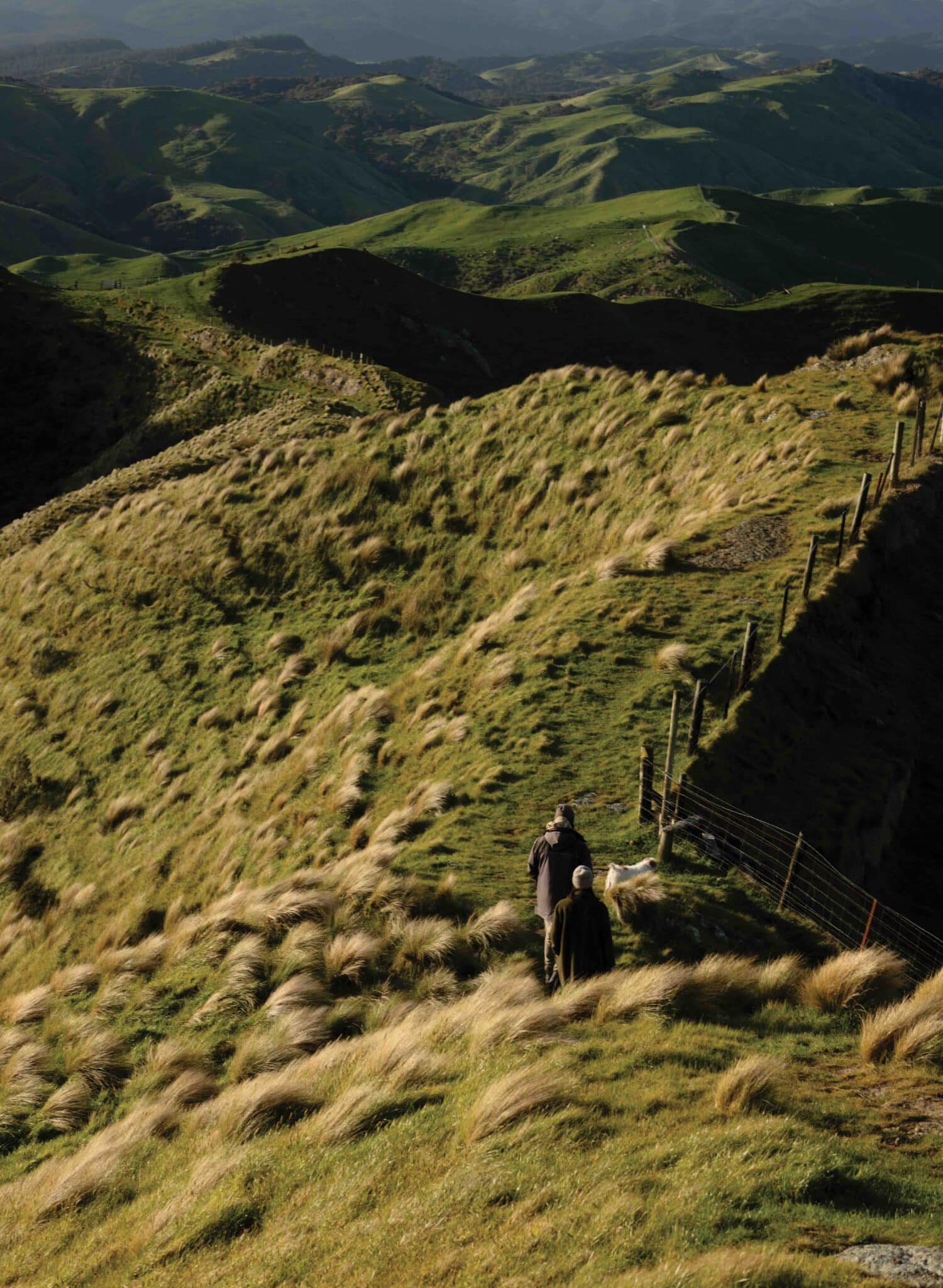
The Tora Coastal Walk in the Wairarapa was one of the first multi-day, fully catered walks across private farmland in Aotearoa. Now in its thirtieth year, it was originally started by three neighbouring farming families, and is now run by Kiri Elworthy, daughter-in-law of Jane Elworthy, one of the founders. I did the walk with my extended family six years ago, and since then have bumped into Kiri on various occasions. Whenever someone asks, “Who do you admire in business in provincial Aotearoa?” one of the people I think of is Kiri. To run a business for thirty years is no mean feat, let alone from a relatively isolated farm and with kids underfoot. Over Zoom I caught up with Kiri to find out more about the early days and how both she and the business have evolved since then.

Could you take us back to the early days of the walk?
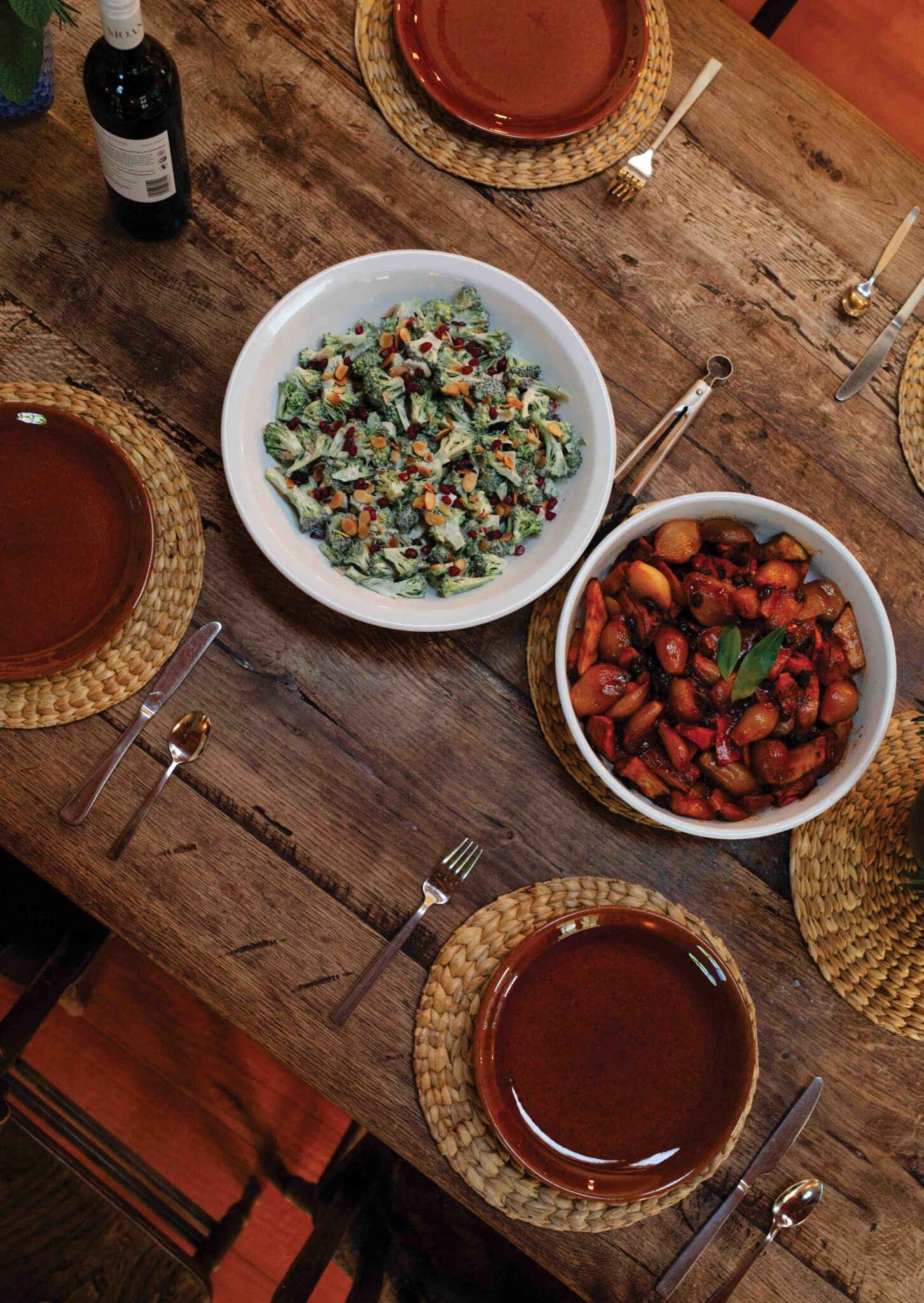
James and I got married in March 1995, and the walk opened in October that year. We already had our daughter Margot, and I was pregnant with Rupert, so we had one on the ground and one in the tummy! I reflect on those days as very happy days, very simple days – I wouldn’t say happier, but happy in a different way. Now we have such a big juggernaut of a machine operating every day, with new guests arriving daily and all three accommodation buildings full seven days a week for seven and a half months. It’s crazy! Back then, we were only having a new intake of guests three times a week, and I had business partners, Jenny Bargh and Deb Doyle, who operated night two and night three. The technology was not so overwhelming. We didn’t have an online booking system. I had a diary and the phone would ring – that’s how I would take bookings. And not only that, people would send me a cheque or bring cash with them when they arrived. And so the biggest stress was getting to the bank, to bank the cash.
I just think your story is incredible – to show up, day in and day out, and to keep striving to provide this amazing experience over such a long time. Does it feel like your motivation’s changed over time?
In the beginning it was as simple as two things. I was trying to prove myself – not just to myself, but also my new family. And also to honour my mother-in-law, Jane, and the idea she’d come up with. I felt like there was a bit of pressure to keep it going really well. My motivation was really to be as much help as I could. With small children and being a newish mum, I wasn’t doing the evening work with the guests. Jane was doing all of that. I was cooking, cleaning and coming in and out where I was needed. At that point we had guests eating in our own homes. James would do the ‘purple hour’ with the kids, so it was actually like a bit of a holiday for me. I would go down to my mother-in-law’s house and help her with the dinner and entertain the guests – that was fun. There was a lot of cleaning with the tribe of toddlers following around behind me. It was made a bit easier by the fact that my in-laws lived right near that first cottage; so the kids would be a bit free range, popping over there for a biscuit or whatever then coming back to see if I was finished. The pressure wasn’t the same as it is now, because we had fewer guests and there were a few of us to share the load.
“I would never have foreseen that we would one day own the whole business and all the land that it runs on,” says Kiri. “That would be one of my pieces of advice to people in business. Dream big, always dream big, because I always had that dream.”
I’m always fascinated by people who go into business with family, or a friend or a neighbour. Not everyone can navigate those sorts of relationships and run a successful business. You’ve done it – what’s your take on what makes it work?
There were three of us at that stage, me, Jenny and Deb, all neighbours. One of the cool things is we spanned three generations. I was in my late twenties, I think Deb was in her late thirties and Jenny was forty-something. The rapport that Jenny, Deb and I had was one of the things that really made us shine. It was pure luck. Jenny and Deb inherited me when Jane, my mother-in-law, left. It could have gone either way! Jenny and I had twenty-five harmonious years of running the business together. We had a lot of fun. She’s got a wicked sense of humour. I was very young, and I learned a lot from her.
She was a great cook and very good with people. I observed her and took it all on board. I’ve been really lucky with these female relationships that I’ve had. Tineke, my operations manager, is now my most precious female relationship. She’s been with the business for ten years and we’re really close – we’re mates over and above being employee and employer.
It’s challenging running a business from the farm with small children underfoot and the tensions of being a working mum. What would you say to a mum who’s juggling it all at the moment?
When the kids were little, it was hard doing everything with the four of them in tow. It would have been amazing to have had daycare just down the road. But they became very good at entertaining themselves and they always could go out on the farm with James if I was under pressure. Now kids go to daycare and do cool things all day, whereas my poor kids, they just had to go out and play in the dirt! They grew up with me working on the walk, so they didn’t know anything different. There were times when I felt I was putting the guests before my family. That’s just part and parcel of working from home and the nature of this business. I do remember being very tired and grumpy, and then flipping into my very nice, gracious host persona for the guests. And my kids would fix me with that very knowing look, like ‘I see you.’ I don’t think it does your kids any harm to see you under pressure. In fact, I think it helps them absorb pressure as an adult, because work is pressure. I don’t think it hurts a child to see their mother or father working really hard to put food on the table and give them opportunities. My children do tease me sometimes. I’m on my laptop constantly and I take it with me everywhere I go, because when you have 2,500 guests a season, there’s always something to respond to. My daughter Margot just had her second child, Rocky. She was in hospital for a few days because she had a caesarean, so I said, “I’ll come and spend the day with you.” I walked in with my computer and my son Guy was also visiting. He said, “Oh my god, Mum – you’ve come to see your new grandkid and you bought your laptop!”
“James is as equally committed to the walking business as I am. It just would not work otherwise because we talk about the walk, the walkers and the track constantly. Equally, if he’s struggling with a decision he has to make about the farm, I’ll always lend an ear and we come to those decisions together, especially if it’s about conservation. I also don’t underestimate James’ ability to just cut straight to the chase. Sometimes I’ll be struggling with a decision, and I don’t even think he’s listening, and then he’ll just turn around and have a great solution. He’s clever and has got a strong business head. We’re a really good team actually.”
Thirty years ago, the concept of multi-day walks on private farmland was quite a new one. What sort of reactions did you get in the early days from other people in the farming sector?
We were about five years in and were starting to build up a bit of a following. We hosted a farm discussion group on our property, and James was quite edgy about these other farmers, who all had beautiful farms around Martinborough, coming out to our rough, hilly farm. All these guys were clearly shocked that we even farmed out here. The farm advisor, who was leading the whole day, was so patronising. He said to us, “It’s great to see that you’ve got your little walks going on but you’re never going to survive. You need to think of something quite major soon, because otherwise you’re just wasting your time.” I remember they all went home, and we were just depressed for days afterwards thinking, “What are we even doing? What are we trying to achieve here?” The farm adviser probably doesn’t even remember saying that to us, but it was really belittling. Of course, all these years later we’re so proud of what we’ve achieved with our “little walk.” My business has funded two more farms. It’s funding our succession along with a whole lot of conservation work. It’s created jobs in our community.
Someone asked me the other day about what failures or biggest challenges I’ve had, and it’s actually a hard question to answer – sometimes the difficult things in the early days become a blur. But are there any moments where something happened and it really caused you to do things differently?
I think from an outside view, people look at your business and think it’s all been really easy, but my god, we have had challenges. In the beginning we were walking through different farms that weren’t all involved in the business. So we were offering them an access fee. We didn’t know how long this business was going to go on for. Every season felt like a bonus. So we never had anything written down. And we operated like that for ten bloody years with no real hard and fast contracts. Building Stony Bay Lodge, our night two accommodation, was a turning point because that was the point at which the business had its own asset. Prior to that, the Tora Coastal Walk as a business didn’t actually exist. And the minute you take out a debt at the bank, the bankers say, “Where’s your shareholders’ agreement? How are you going to buy this asset? You’re going to own it fifty-fifty. You need a company.” So, we bit the bullet. We created a company, we wrote a shareholders’ agreement.
What advice would you give to someone who’s thinking about starting their own business, or in the early days of one? What have you learned about yourself and running a business over all these years?
I’m a big believer in instinct. If an action or decision doesn’t feel right, then I sit back and take a good hard look at what’s going on, because there’s usually a reason for that feeling. It’s so easy to take other people’s advice and act on what they’ve told you to do, but it’s not always the best approach, I think your own gut instinct is often better. Dream big – you don’t have to say it out loud, but if you dream big in your own head and start visualising things, it can happen. I also think that the quality of your product should be above everything else. If you’ve got a brilliant product, you’ll get brilliant word of mouth. You don’t even have to have the shiniest website or the most follows on Instagram or anything like that. Don’t compare yourself to other businesses. Just focus on getting your product really, really a hundred per cent right. Everything else will follow.
If you enjoyed this story, please share with someone else.
This story appeared in the Raumati Summer Edition 2024/25 of Shepherdess.
Get your hands on a copy.
Related Stories
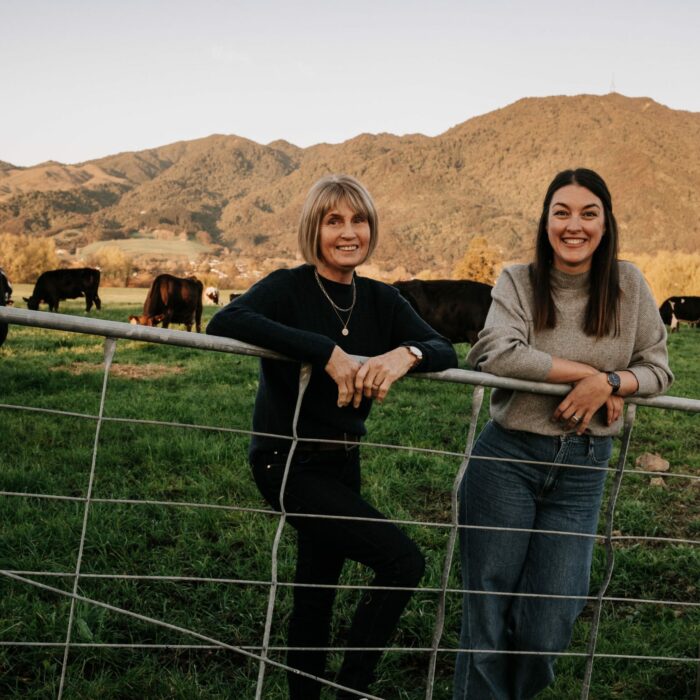
“My mother-in-law is my best friend” – how kindness, consideration and respect make this relationship work
German immigrant Jana, mum to three boys, lives and works on the family farm in Te Aroha with her husband Chris and his parents, John and Robyn.
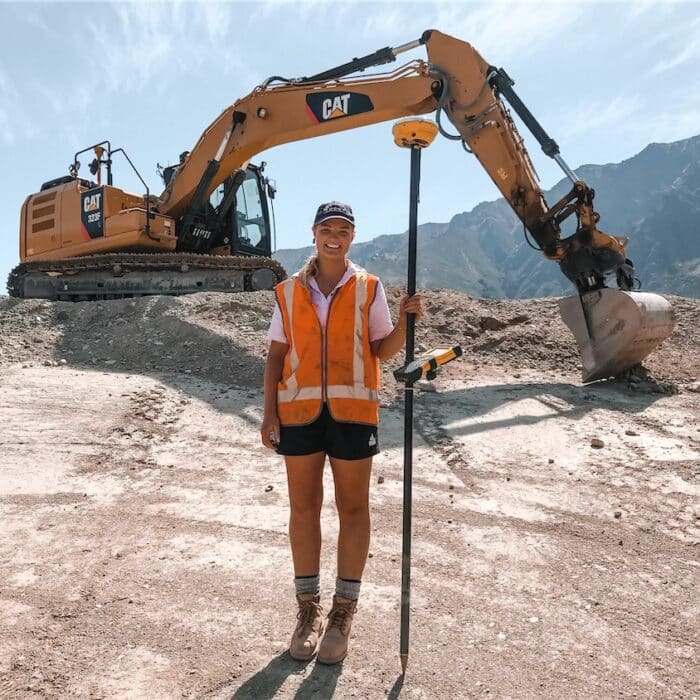
“Once the guys see me operating the machinery, they don’t question it” – a young woman moving mountains for a living
Olivia talks to Shepherdess about how she ended up in the earthmoving industry and the challenges and rewards of working in an almost all-male world.
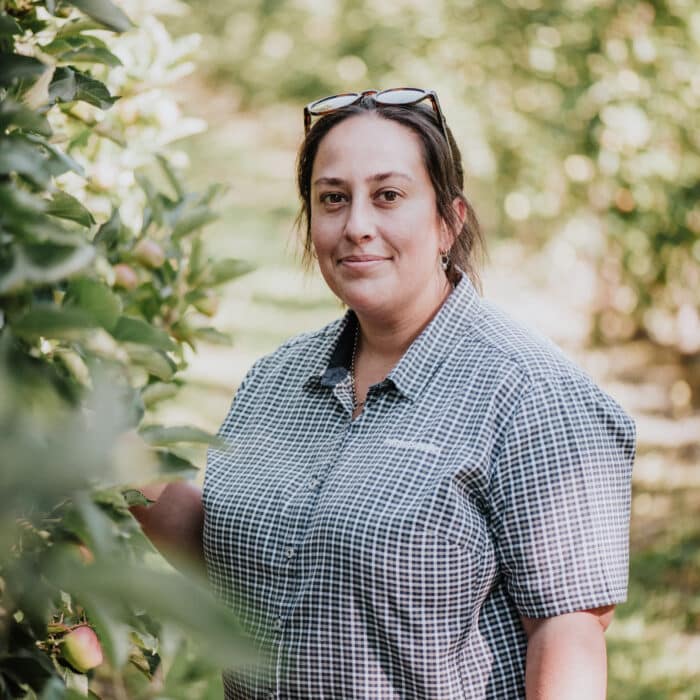
A Growing Career
Hannah Greaves always envisioned a career in the primary sector. Although initially set on a career in farming, she realised dairy farming wasn’t for her and found herself pivoting to